 Search









GC-TVNS-A10 Portable taVNS / tVNS Device with Ear Clip Electrodes
Compact rechargeable taVNS / tVNS device with three operating modes, adjustable intensity, 20-minute session control and compatible ear electrodes | OEM/ODM development available


Explore tVNS and taVNS devices and electrodes, EEG electrodes and caps, ECG/EMG lead wires, therapy accessories, custom medical cable assemblies, and medical charging docks.
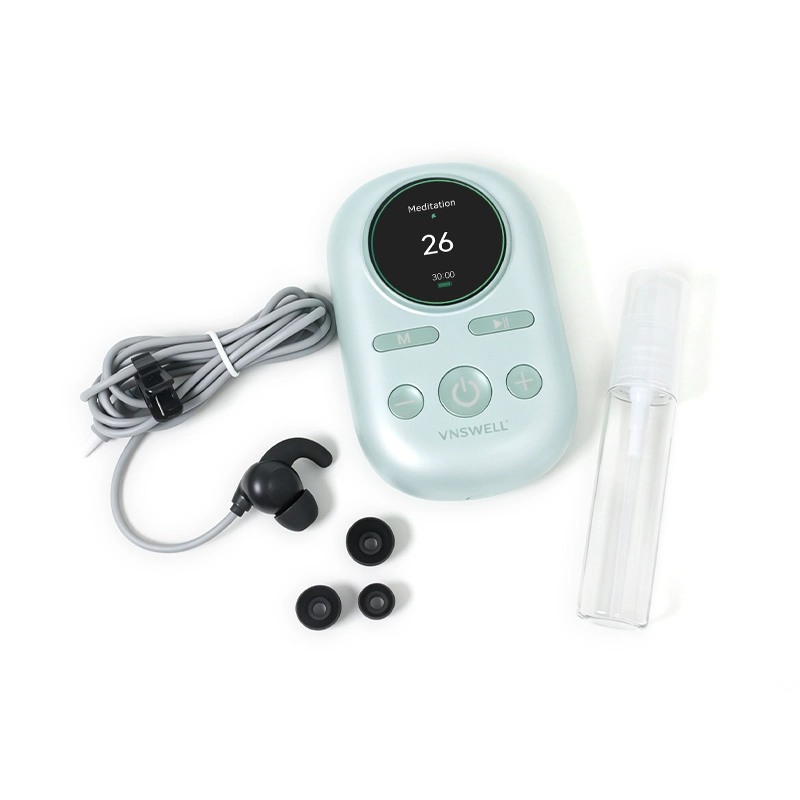
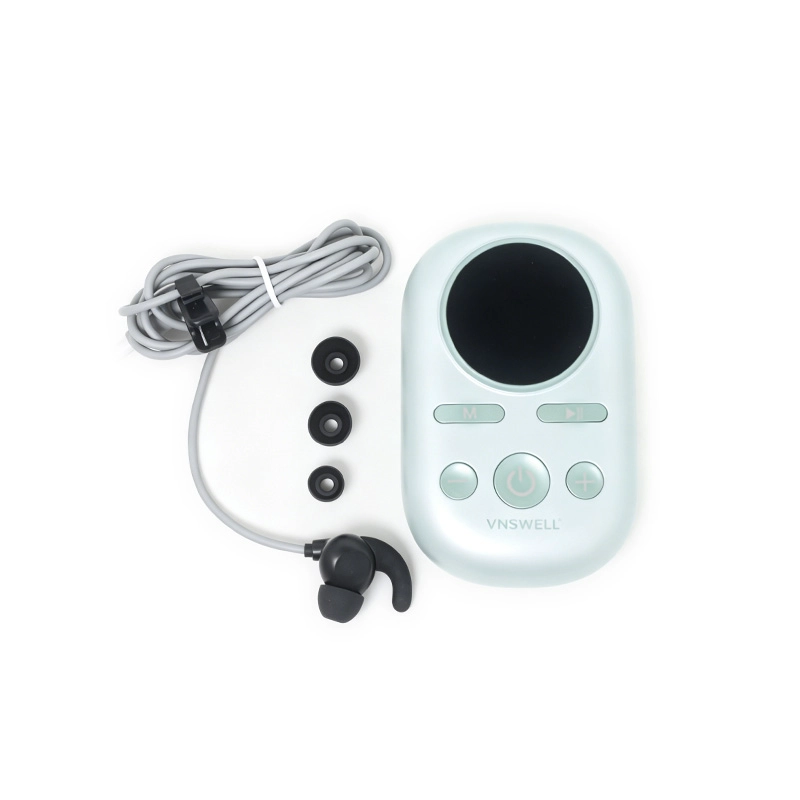
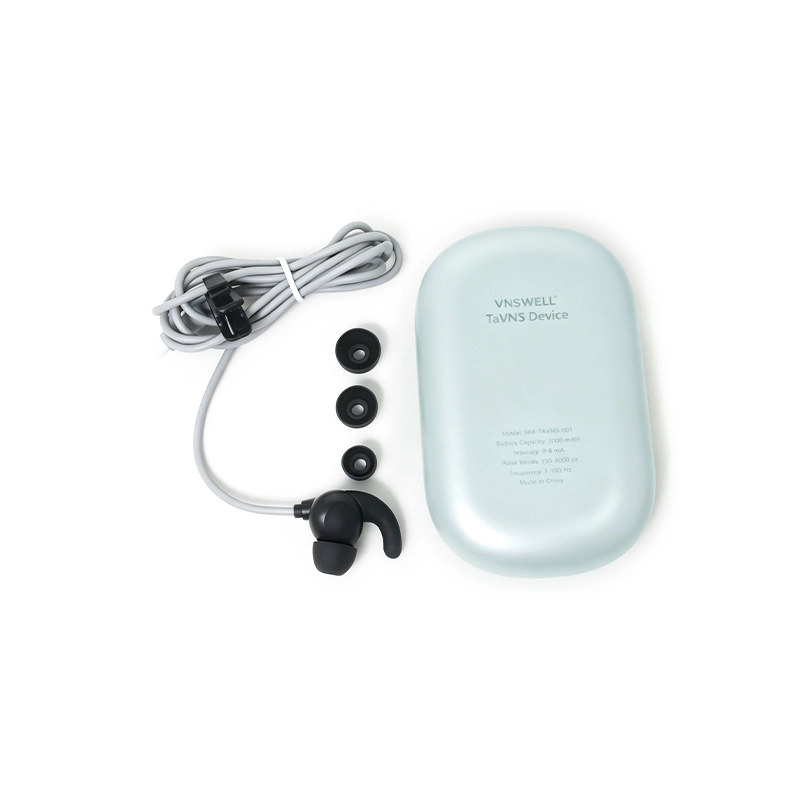
Compact rechargeable taVNS / tVNS stimulation device for compatible ear electrodes | LED status indication, USB charging and OEM/ODM development available
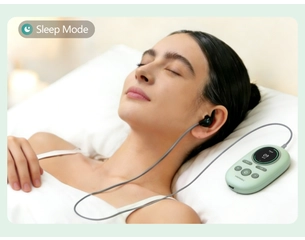
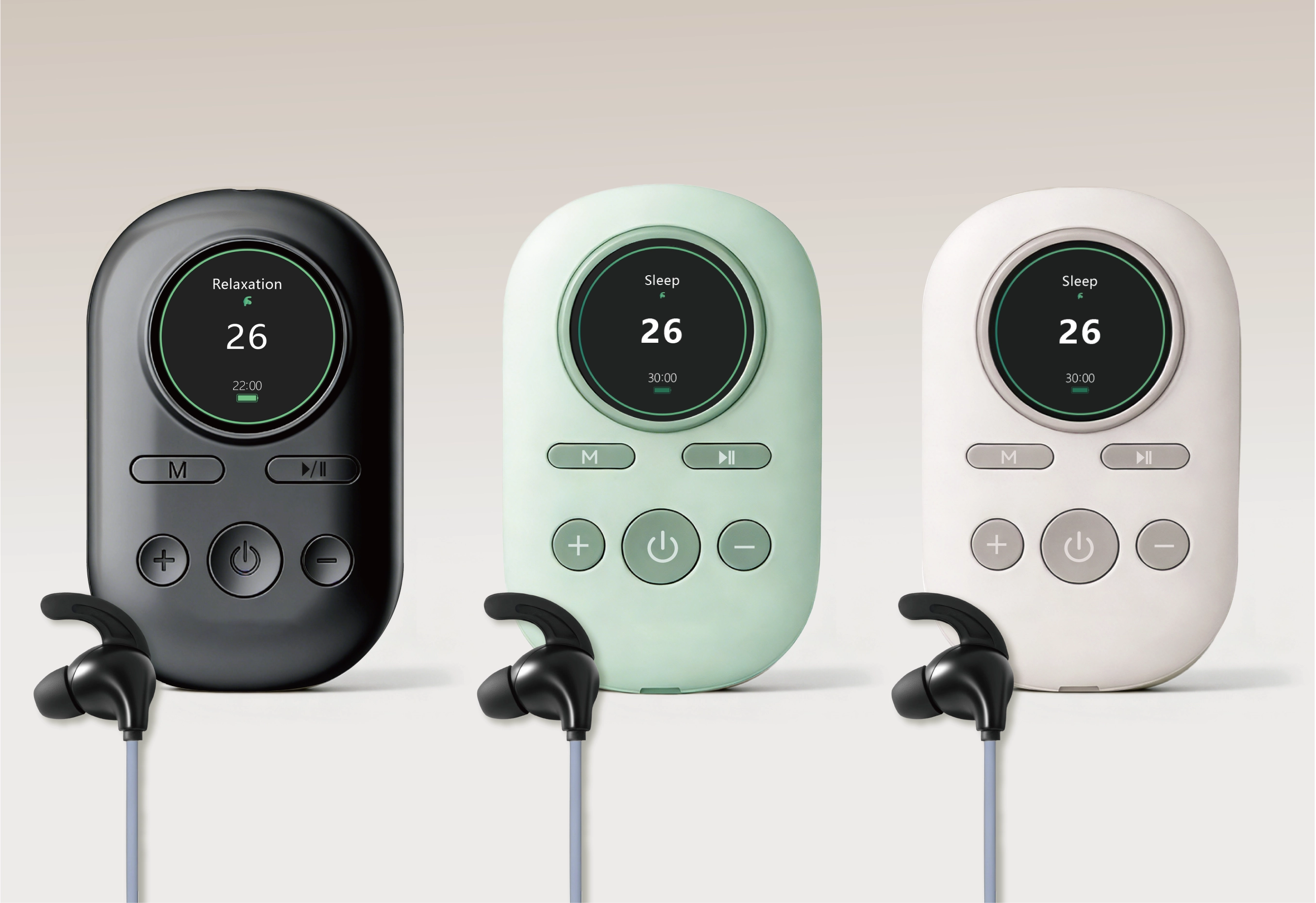
The Heymed Medical Handheld taVNS / tVNS Device is a compact rechargeable stimulation unit designed to work with compatible ear clip electrodes and auricular electrode accessories.
The device features an LED status indicator, built-in rechargeable lithium battery and USB charging interface for portable use and straightforward device operation.
Heymed Medical supports customization of the device housing, electrode interface, functional configuration, charging design, color, logo and packaging for OEM/ODM taVNS device projects.

Solutions & Applications
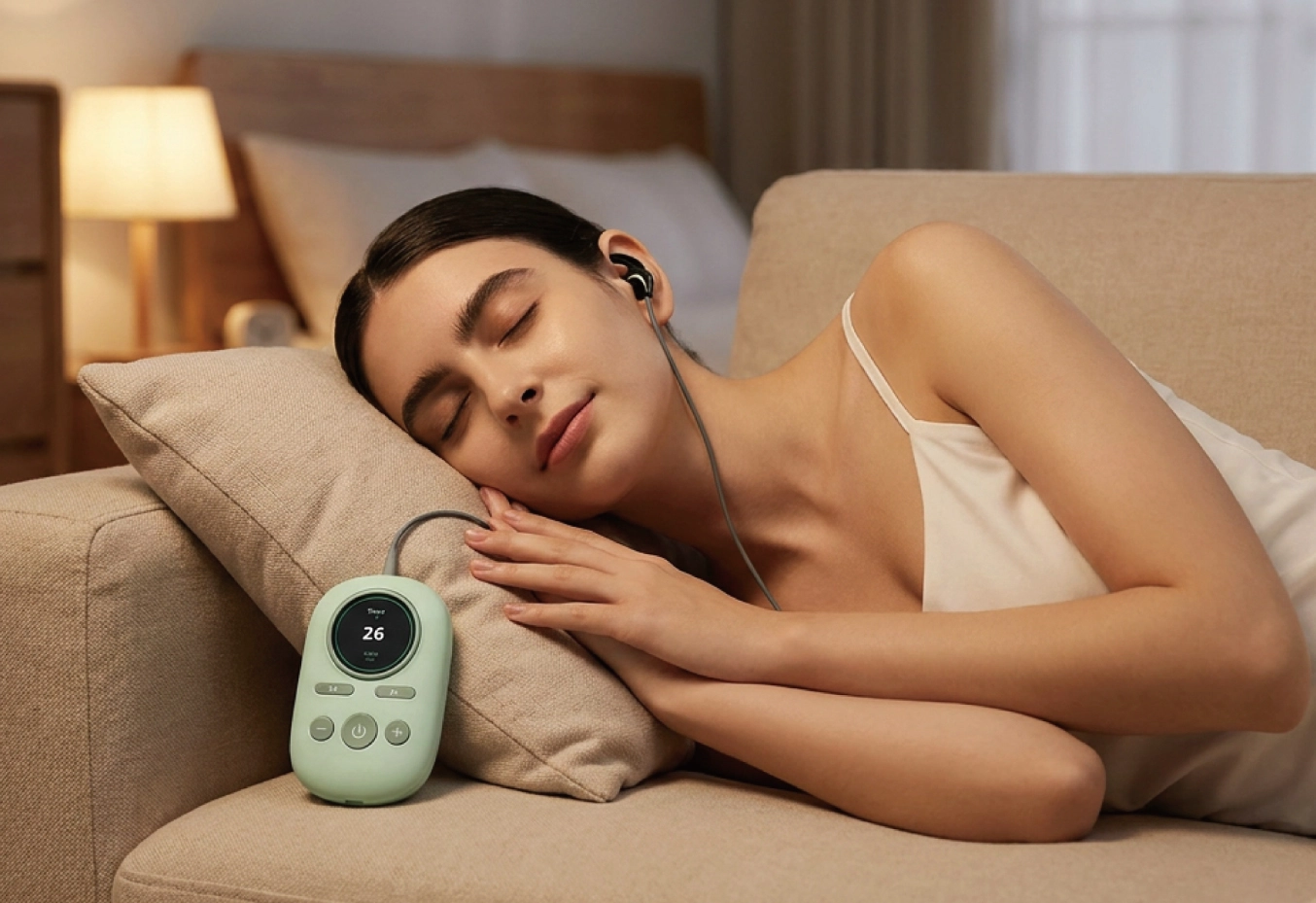
The Handheld taVNS / tVNS Device provides a compact control platform for compatible auricular electrode and ear clip electrode systems. Its rechargeable handheld structure is suitable for device-development projects requiring portable operation and a simple user interface.
For OEM/ODM projects, device housing, electrode interface, functional configuration, charging method, LED indication, color, logo and packaging can be developed according to the target product requirements.
Heymed Medical supports industrial design review, electronic integration, electrode-interface development, prototype sampling, functional testing and volume manufacturing for custom taVNS and tVNS device projects.
Medical-grade auricular stimulation cable specifications for healthcare and neuromodulation therapy applications.
This handheld taVNS controller provides a compact rechargeable hardware platform for compatible auricular electrode systems and customized neuromodulation device development. The unit combines a portable enclosure, user controls, operating-status indication, a built-in rechargeable battery and USB charging in one integrated device.
Rather than being limited to one fixed electrode or output configuration, the device can be developed around project-specific stimulation parameters, connector definitions, ear-electrode structures and user-interface requirements. Housing color, branding, accessories and packaging can also be configured for OEM and ODM product programs.
The compact handheld format brings the main electronics, battery, control interface and electrode output into a portable enclosure. This provides a practical development platform for projects that require the controller to operate independently from a desktop system or external power supply.
The user interface can be developed around the required operating logic, including parameter adjustment, mode selection, status indication, session control and charging status according to the approved product specification.
Final operating logic should be defined together with the hardware, firmware and intended product requirements rather than copied from another commercial device. Heymed Medical can support project-specific interface and function development for OEM/ODM programs.
Electrical stimulation parameters are not treated as universal settings for every taVNS product. Frequency, pulse width, intensity range, waveform, session timing and adjustment logic should be defined according to the customer-approved device specification and the intended development program.
Heymed Medical can support hardware and firmware development around the required output architecture, including parameter ranges, operating states, user controls and electrode-channel configuration. Where the device is being developed for regulated medical use, final performance, safety and intended use must be validated for the completed product.
This project-based approach allows the controller to be developed around the customer's own product architecture rather than relying on fixed settings from an unrelated reference device.
Electrical output: waveform, frequency, pulse width, intensity range and session logic defined according to the approved project specification.
Electrode interface: connector type, contact quantity, polarity and pin assignment matched to the selected auricular electrode assembly.
User interface: buttons, status indication, operating modes and control logic can be configured around the required user workflow.
Power system: rechargeable battery capacity, charging architecture and USB charging interface evaluated according to the target device requirements.
Mechanical design: enclosure dimensions, surface finish, button layout, connector position and internal assembly structure can be customized.
Product identity: housing color, logo, labeling, accessories, instructions and packaging can be developed for private-label and OEM/ODM projects.
The handheld controller is only one part of the complete taVNS system. Electrode contact geometry, ear-wearing structure, cable routing, connector pinout and output polarity all influence the final device configuration.
Different projects may use ear clips, earpiece-style electrodes or other approved auricular contact structures. Compatibility should therefore be confirmed from the actual electrode drawing, connector definition and electrical specification rather than from the physical appearance of the accessory.
For additional electrode configurations, explore our tVNS & taVNS Ear Electrodes for different connector and ear-contact structures.
OEM device development may involve more than changing the logo or housing color. Depending on the project scope, the controller electronics, stimulation output, firmware logic, electrode interface, battery system, enclosure and accessories can be reviewed together as one product-development program.
Customers can provide functional requirements, target electrical parameters, industrial-design files, electrode specifications, reference samples or an existing prototype for engineering evaluation. The project can then progress through feasibility review, engineering samples, design verification and production preparation.
For projects requiring another handheld device architecture, see our GC-TVNS-A10 Portable taVNS Device Platform as an alternative development reference.
During prototype development, the device can be evaluated against the approved project specification for user-interface operation, electrical output, battery and charging behavior, electrode connection, connector polarity and mechanical assembly.
Additional verification requirements should be defined according to the intended product, destination market and regulatory pathway. Where applicable, electrical safety, electromagnetic compatibility, software or firmware verification, battery requirements, biocompatibility of patient-contact accessories and device-level risk management may need to be addressed as part of the completed product program.
Heymed Medical supports OEM/ODM projects from engineering evaluation and prototype development through pilot builds and controlled volume manufacturing under the approved device specification.
Complete taVNS device development may involve both the handheld controller and the matching auricular electrode system. These related products provide alternative hardware and electrode configurations.
GC-TVNS-A10 Portable taVNS Device with Ear Electrode Options →
An alternative rechargeable handheld device platform with configurable stimulation parameters, electrode interface and OEM/ODM product options.
DC 2.35mm Male to tVNS/taVNS Ear Electrode Cable →
A reusable two-pole conductive silicone ear clip and lead-wire assembly for compatible device integration.
Reusable Silicone tVNS/taVNS Ear Clip Electrode Cable →
A customizable reusable auricular electrode cable with selectable contact and device-side connector structures.
We provide OEM and ODM medical cable assembly services for neuromodulation therapy device manufacturers and healthcare brands worldwide.
Compact rechargeable taVNS / tVNS device with three operating modes, adjustable intensity, 20-minute session control and compatible ear electrodes | OEM/ODM development available
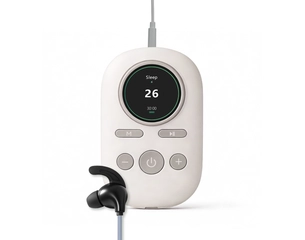
Compact handheld stimulation platform with LED status feedback, rechargeable power and configurable ear-electrode connectivity for OEM, ODM and private-label device development
Resolve your concerns in advance — stress-free communication, efficient coordination
A handheld taVNS / tVNS device is a portable stimulation unit designed to work with compatible auricular electrode or ear clip electrode systems through a defined device interface.
The referenced device uses a built-in rechargeable lithium battery and supports USB charging for portable operation.
The LED indicator is used to provide basic device operating and charging status information. The exact indication logic can be configured according to the finished-device design.
Yes. The electrode interface can be developed for compatible ear clip or auricular electrode systems according to the connector, electrical configuration and finished-device requirements.
Yes. Housing design, functional configuration, electrode interface, charging method, LED indication, color, logo and packaging can be developed for OEM, ODM and private-label projects.
Yes. Customers can provide product concepts, device samples, industrial-design references, electrode interface requirements, functional specifications or packaging requirements for engineering evaluation and prototype development.

Heymed Medical develops and manufactures OEM/ODM medical and wellness products for patient monitoring, EEG and brain monitoring, tVNS/taVNS neuromodulation, physiotherapy and rehabilitation, diagnostic equipment, and medical docking and charging applications.
Our portfolio includes tVNS/taVNS devices, auricular and ear clip electrodes, dry and wet EEG electrodes, EEG caps, ECG/EMG lead wires and electrodes, TENS/EMS lead wires and accessories, custom medical cable assemblies, Pogo Pin connectors, and charging docks.
Work with Heymed Medical on OEM/ODM development and controlled manufacturing for tVNS and taVNS products, EEG electrodes, medical lead wires, custom cable assemblies, and medical docking and charging products—from engineering samples and validation to volume production.
Tell our engineering team about your product application, device interface, performance targets, compliance needs, and expected quantity. We will review your information and contact you to discuss technical feasibility, customization options, and recommended next steps.
Tip: A drawing, device interface photo, pinout diagram, or reference sample can help our engineering team evaluate your project more accurately and efficiently.