 Search











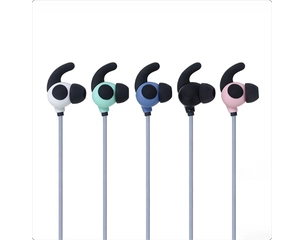
DC 2.35mm to 2-Pole Conductive Silicone tVNS / taVNS Ear Electrode Cable
Reusable passive ear clip electrode assembly with a DC 2.35mm safety connector, 2-pole conductive silicone contacts and 1.2m lead wire for compatible tVNS / taVNS devices


Explore tVNS and taVNS devices and electrodes, EEG electrodes and caps, ECG/EMG lead wires, therapy accessories, custom medical cable assemblies, and medical charging docks.
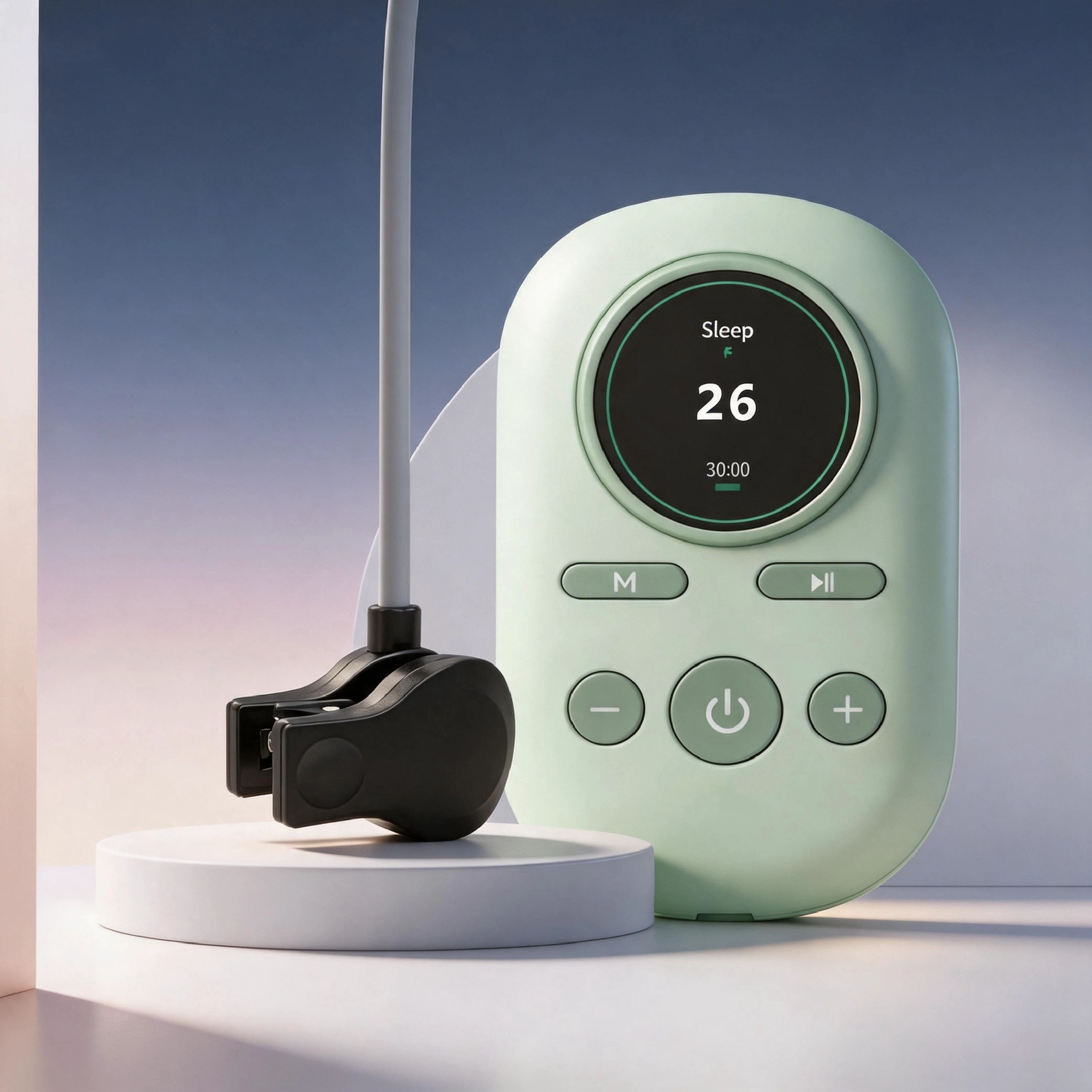
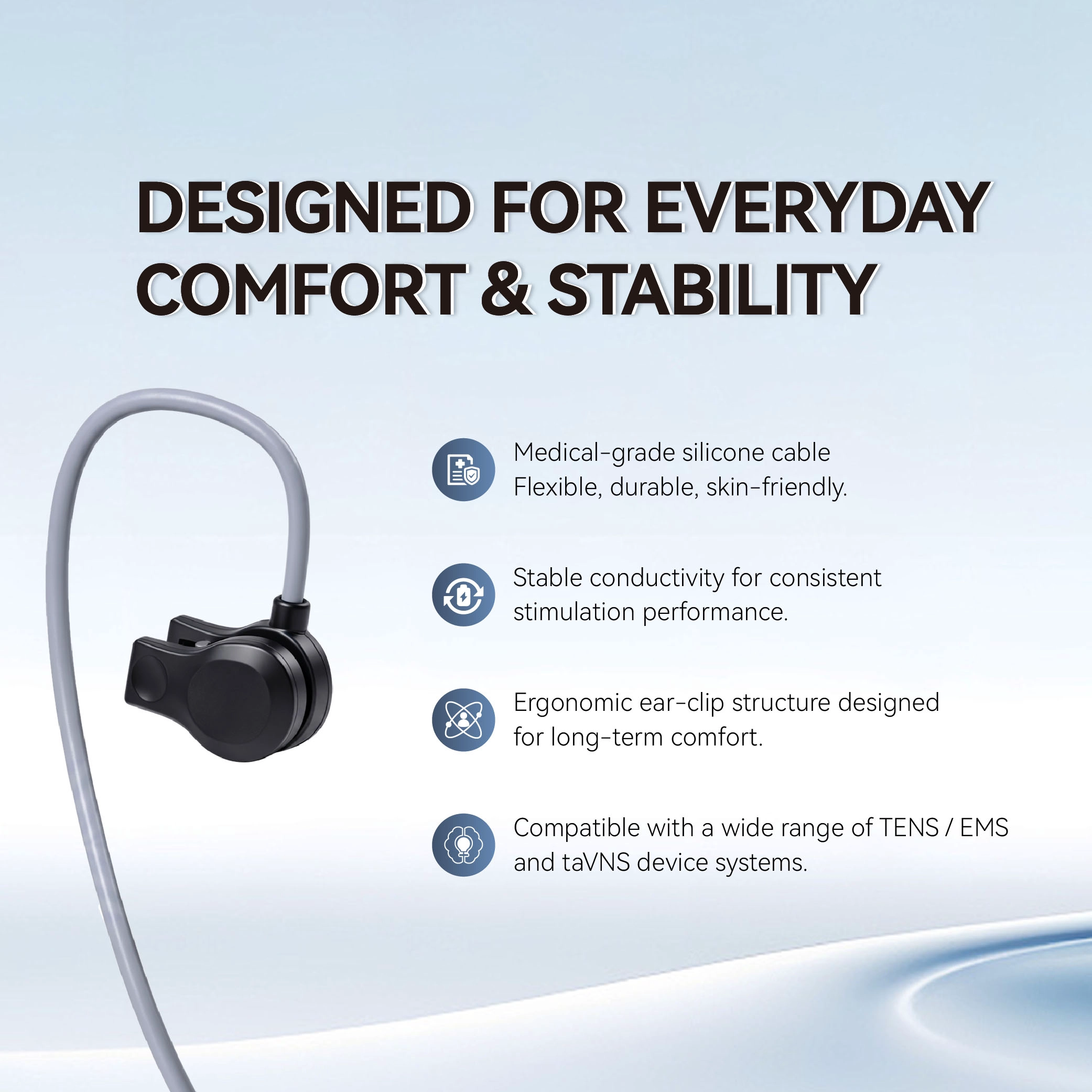
Soft reusable silicone ear clip electrode for compatible tVNS, taVNS and auricular stimulation devices | Custom connector, cable length and OEM/ODM options available
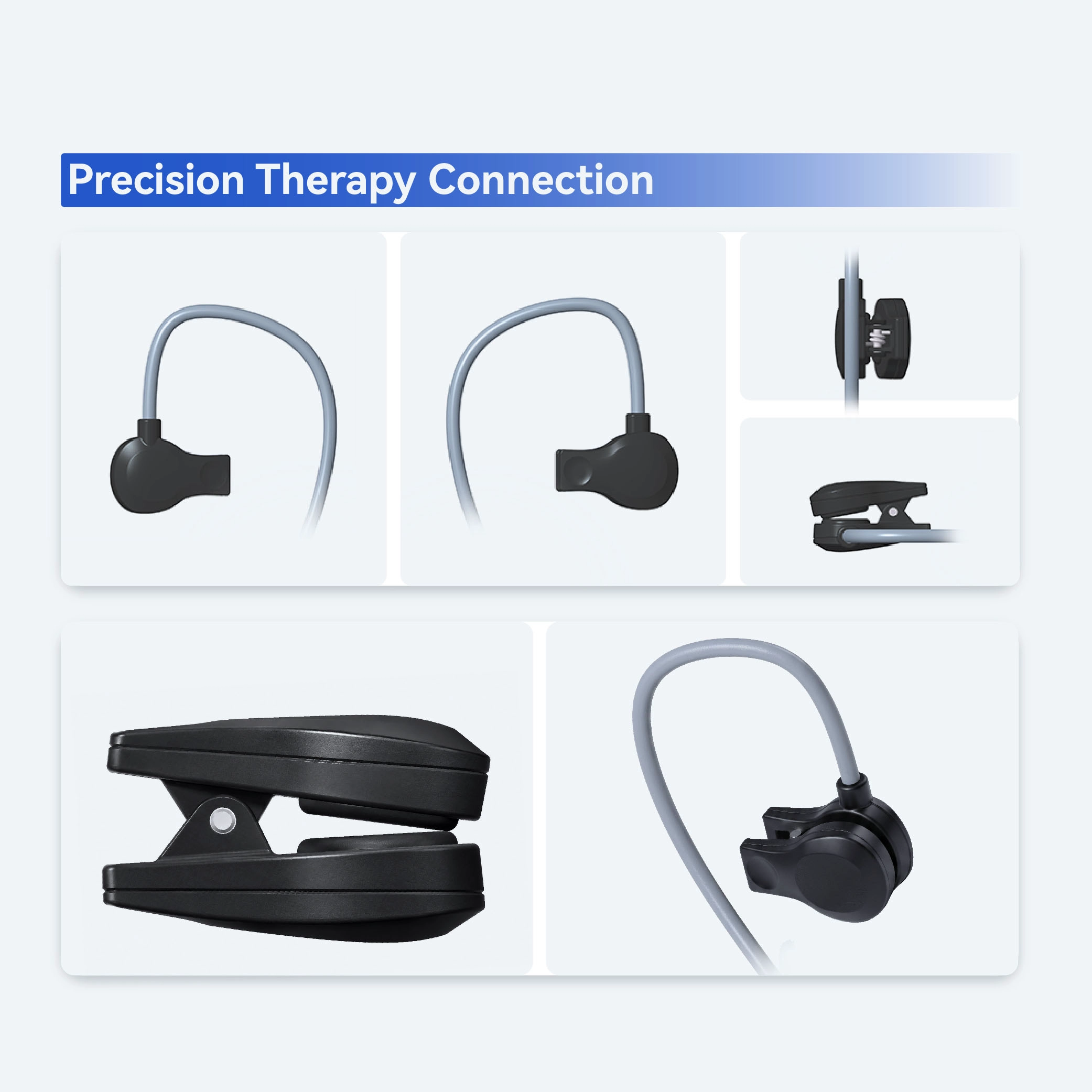
The Heymed Medical Reusable Silicone tVNS / taVNS Ear Clip Electrode is designed for compatible tVNS, taVNS and auricular stimulation devices requiring a reusable ear-contact electrode interface.
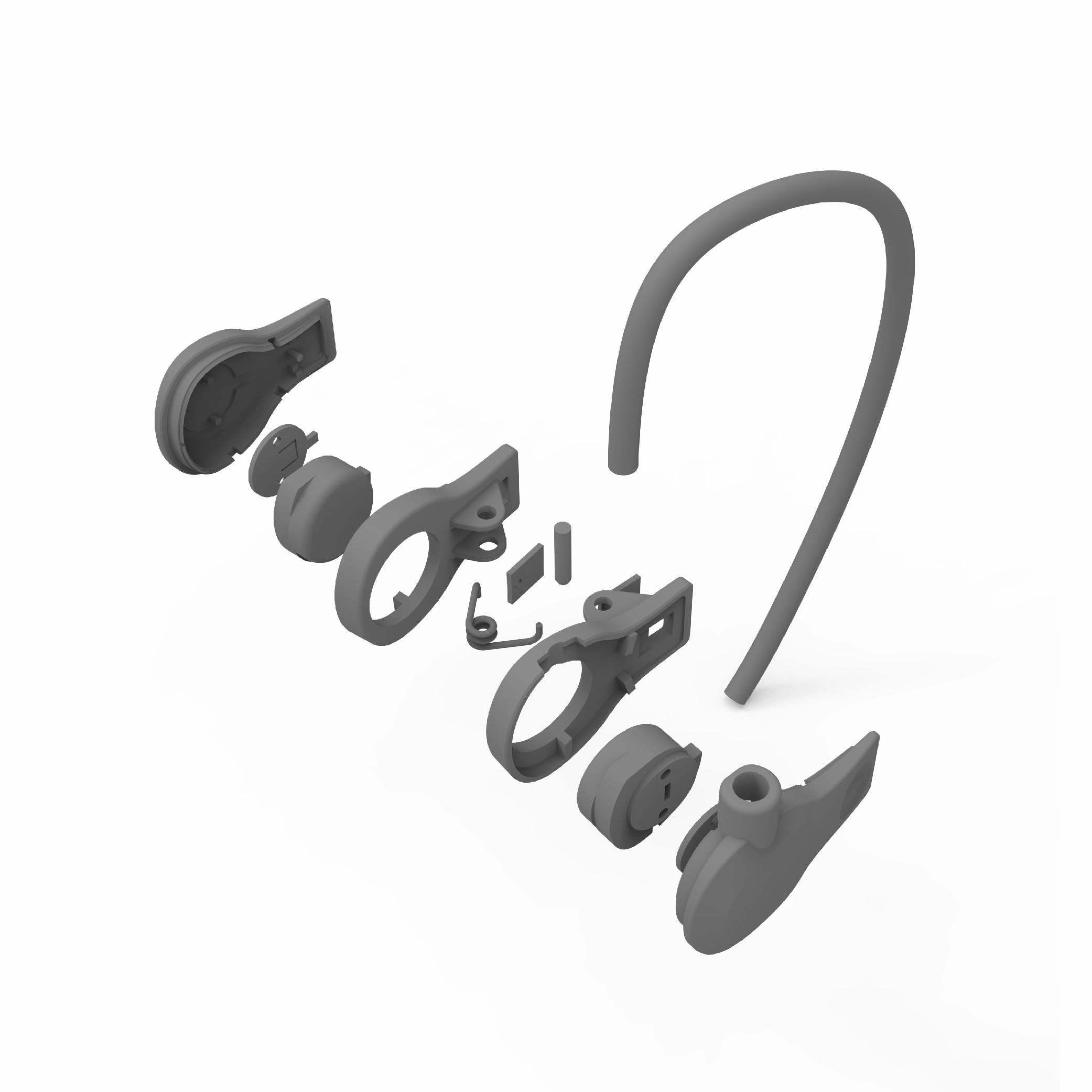
The product uses a soft silicone contact structure combined with an ear clip assembly, providing a compact reusable electrode solution for ear-mounted device applications.
Heymed Medical supports customization of the ear clip structure, contact configuration, cable length, connector type, color, labeling and packaging for OEM/ODM projects.

Solution & Applications
The Reusable Silicone Ear Clip Electrode provides a soft, reusable ear-contact interface for compatible tVNS, taVNS and auricular stimulation devices. The silicone contact structure can be combined with different clip and cable configurations according to the finished-device design.
For OEM/ODM projects, clip size, silicone structure, contact configuration, cable length, connector type, color and packaging can be customized according to project requirements.
Heymed Medical supports device interface review, ear electrode development, prototype sampling, continuity testing and volume manufacturing.
Medical-grade auricular stimulation cable specifications for healthcare and neuromodulation therapy applications.
This reusable silicone ear clip electrode cable provides a flexible auricular connection solution for compatible tVNS, taVNS, TENS, EMS, neuromodulation and biofeedback devices. The ear clip structure can be configured with silver-plated or conductive carbon electrode contacts according to the electrical, mechanical and device-integration requirements of the project.
Standard and custom connector options are available, including 2.0mm pin, 2.5mm pin, 3.5mm plug and project-specific interfaces. Cable length, pinout, clip structure, conductive contact material, color, branding and packaging can all be developed according to OEM and ODM requirements.
A reusable ear electrode is more than a cable connected to an ear clip. The clip geometry, conductive contact layout, cable exit direction, connector interface, wearing form and manufacturing method all need to be considered together during product development.
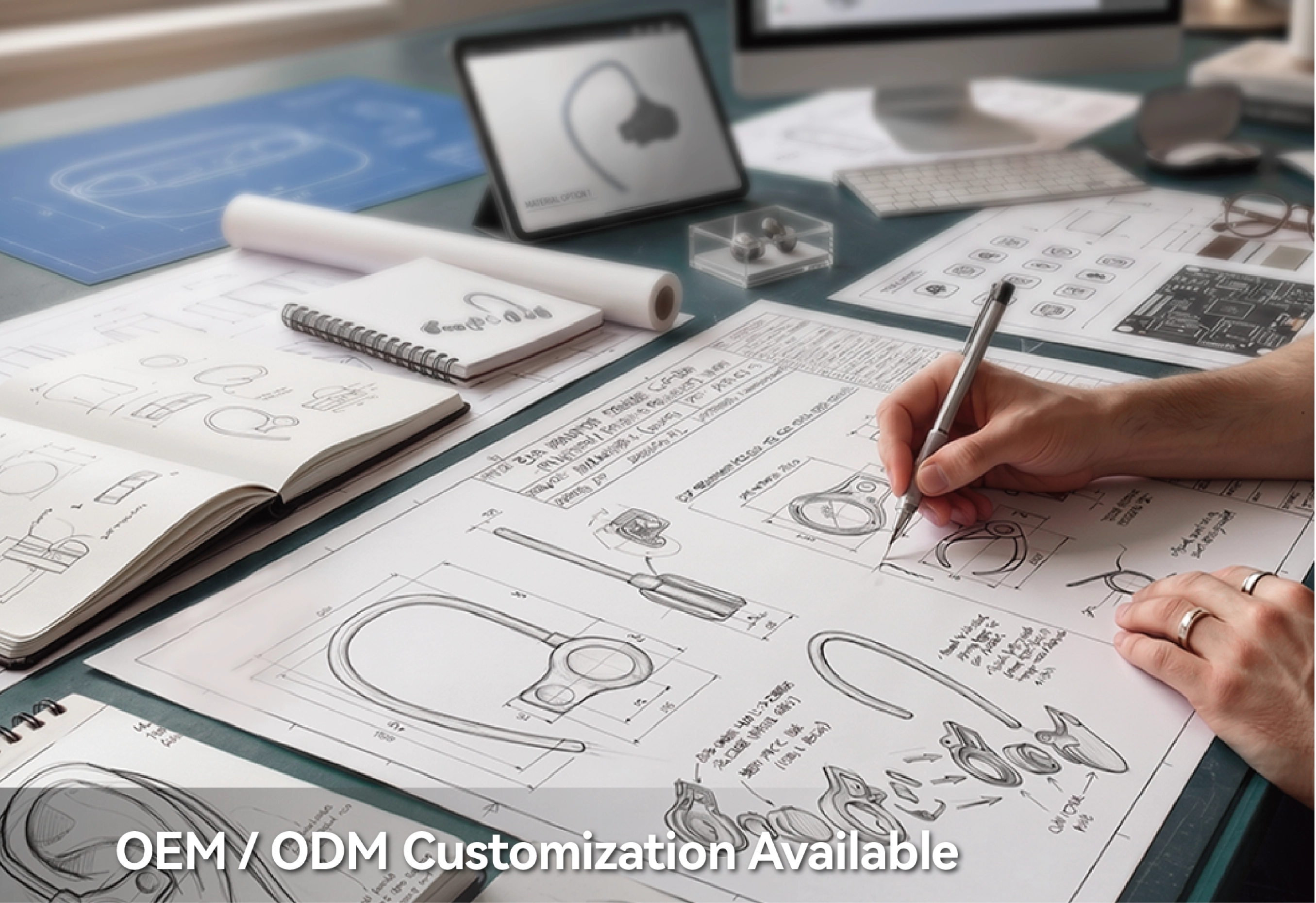
Heymed Medical supports OEM and ODM development from the early concept stage. Customers can provide product sketches, CAD files, interface drawings, functional requirements, existing samples or reference concepts for engineering review.
Our engineering team can evaluate connector selection, pin assignment, cable structure, conductive materials and clip geometry before prototype development, helping turn an initial concept into a manufacturable ear-electrode assembly.
The silicone-based ear clip structure provides flexibility when designing a compact reusable electrode interface. Ear clip dimensions, contact position and cable routing can be adapted around the intended device and wearing configuration.
Depending on the project, silver-plated or conductive carbon contacts can be selected according to the required electrical and mechanical characteristics. Clip geometry and contact placement can also be modified to better match the finished-product design.
Final electrode placement, electrical output and operating method should follow the approved specification and user instructions of the completed device.
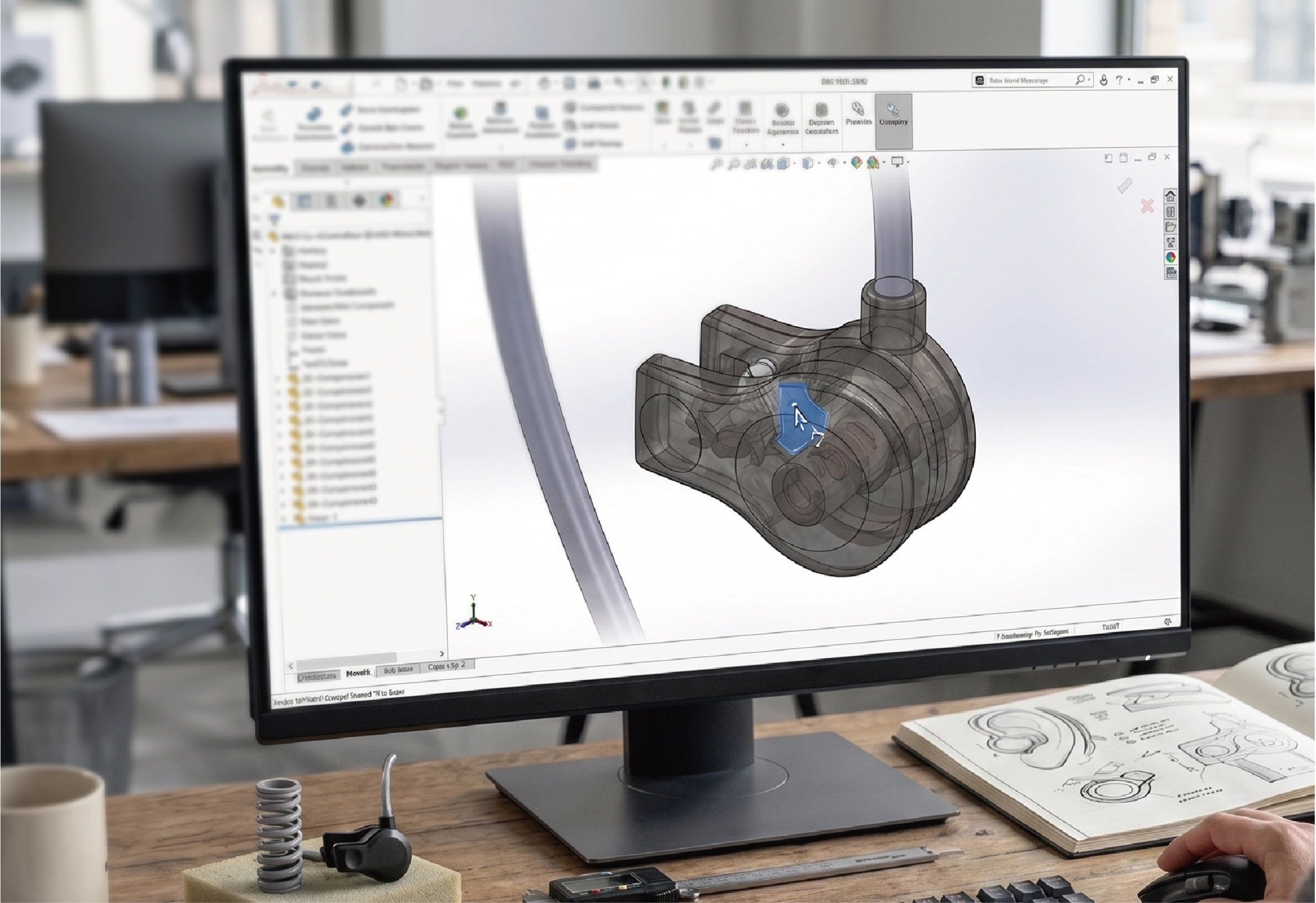
For custom ear electrode projects, 3D structural design helps verify the relationship between the clip housing, conductive contacts, internal components, cable exit and overall assembly before tooling or volume production.
CAD-based development allows the ear clip geometry, contact position and assembly structure to be reviewed around the customer's intended product. This is particularly useful when a standard ear clip cannot fully match the mechanical or appearance requirements of the finished device.
Prototype parts can then be evaluated for dimensions, assembly fit, cable routing, contact structure and mechanical operation before the design is finalized.
Conductive contacts: silver-plated or conductive carbon contact structures can be selected according to project requirements.
Connector options: 2.0mm pin, 2.5mm pin, 3.5mm plug or customer-specified device interfaces.
Cable configuration: standard 1m cable or customized cable length, jacket color and branch structure.
Ear clip structure: clip geometry, contact layout, silicone construction and cable exit can be reviewed for custom projects.
Electrical interface: pinout and polarity can be configured according to the target device definition.
OEM/ODM presentation: product color, branding, labeling and packaging can be developed for private-label programs.
Connector appearance alone does not determine compatibility. Two devices may use a similar connector while using different pin assignments, polarity or electrical output configurations.
Heymed Medical can review device interface drawings, PCB definitions, pinout diagrams, connector samples or existing electrode cables before prototype development. The cable and ear-electrode structure can then be configured according to the actual target equipment.
This engineering review is particularly important for new device-development and replacement-accessory projects where mechanical fit and electrical compatibility must both be confirmed.
Heymed Medical supports reusable ear electrode projects from engineering review and prototype development through controlled manufacturing. During the sample stage, connector fit, pin mapping, cable dimensions, clip structure, conductive contact layout and overall assembly can be checked against the approved design.
Once the product configuration is confirmed, materials, cable specifications, molding structure, assembly process, inspection criteria and packaging can be transferred into repeatable production.
This development process supports device manufacturers, healthcare product brands and product-development teams requiring a customized reusable ear clip electrode rather than a fixed standard accessory.
Different neuromodulation projects may require different ear-contact structures, conductive materials and device-side interfaces.
DC 2.35mm Male to tVNS/taVNS Ear Electrode Cable →
A reusable two-pole conductive silicone ear clip and lead-wire assembly for compatible tVNS/taVNS device integration.
Handheld taVNS Device with Rechargeable Battery →
A portable rechargeable taVNS device platform designed for compatible ear electrode integration and OEM/ODM development.
USB Type-C to taVNS Dual Ear Clip Electrode Cable Kit →
A dual-ear-clip cable kit using a Type-C device interface for compatible tVNS product development.
We provide OEM and ODM medical cable assembly services for neuromodulation therapy device manufacturers and healthcare brands worldwide.
Reusable passive ear clip electrode assembly with a DC 2.35mm safety connector, 2-pole conductive silicone contacts and 1.2m lead wire for compatible tVNS / taVNS devices
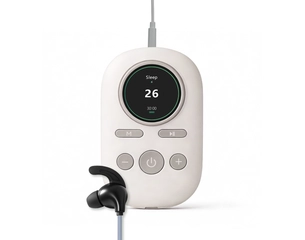
Compact handheld stimulation platform with LED status feedback, rechargeable power and configurable ear-electrode connectivity for OEM, ODM and private-label device development

Compact rechargeable taVNS / tVNS device with three operating modes, adjustable intensity, 20-minute session control and compatible ear electrodes | OEM/ODM development available
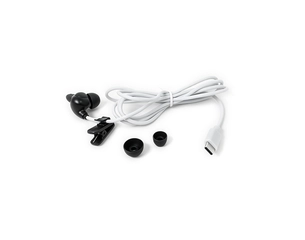
1.2m grey USB-C ear electrode cable kit with dual reusable ear clips and spray bottle for compatible tVNS and taVNS devices | OEM/ODM customization available
Resolve your concerns in advance — stress-free communication, efficient coordination
The FG-MED-00080 is a passive bipolar ear clip electrode designed to connect a compatible taVNS or tVNS stimulation device to the ear-contact area. It uses two conductive silicone contacts to provide separate electrical contact surfaces on opposite sides of the tragus.
Yes. The FG-MED-00080 can be used as the ear clip electrode accessory for the GC-A11 taVNS device. It may also be adapted for other compatible devices when the connector dimensions, pin assignment, electrical output, polarity, and safety requirements are verified.
The standard configuration uses a DC 2.35 mm safety male plug. Optional connectors can include USB Type-C, 3.5 mm audio, magnetic connectors, or other customer-specified interfaces.
The ear clip uses a bipolar conductive silicone contact structure with two conductive silicone contacts positioned on opposite sides of the tragus. The specification lists black conductive silicone with a Shore A hardness of approximately 60 ± 5.
The standard cable length is 1200 ± 30 mm (1.2 m). The standard cable specification is 28AWG × 2C with an OD of 2.5 ± 0.2 mm. Other cable lengths can be customized according to project requirements.
The specified conductive impedance range is 80–350 Ω, measured under the defined test conditions in the product specification. Production consistency and final acceptance should follow the approved engineering specification and customer requirements.
Yes. OEM/ODM customization is available for the connector, cable length, cable color, product color, logo, packaging, and private-mold development. Custom structures can also be developed according to customer drawings, approved samples, or device interface requirements.
Yes, provided that the device connector, pin assignment, electrical output, polarity, waveform, current and voltage requirements, and finished-device safety requirements are compatible. Compatibility should be verified before use with third-party devices.

Heymed Medical develops and manufactures OEM/ODM medical and wellness products for patient monitoring, EEG and brain monitoring, tVNS/taVNS neuromodulation, physiotherapy and rehabilitation, diagnostic equipment, and medical docking and charging applications.
Our portfolio includes tVNS/taVNS devices, auricular and ear clip electrodes, dry and wet EEG electrodes, EEG caps, ECG/EMG lead wires and electrodes, TENS/EMS lead wires and accessories, custom medical cable assemblies, Pogo Pin connectors, and charging docks.
Work with Heymed Medical on OEM/ODM development and controlled manufacturing for tVNS and taVNS products, EEG electrodes, medical lead wires, custom cable assemblies, and medical docking and charging products—from engineering samples and validation to volume production.
Tell our engineering team about your product application, device interface, performance targets, compliance needs, and expected quantity. We will review your information and contact you to discuss technical feasibility, customization options, and recommended next steps.
Tip: A drawing, device interface photo, pinout diagram, or reference sample can help our engineering team evaluate your project more accurately and efficiently.