 Search













QUALITY FOUNDATION
Medical and wellness products depend on reliable interfaces, stable electrical performance, controlled materials, durable structures, and repeatable manufacturing. Heymed Medical integrates quality planning into product design, sourcing, production, testing, and final release so that each project can be evaluated against approved drawings, specifications, samples, and inspection criteria.

QUALITY MANAGEMENT SYSTEM
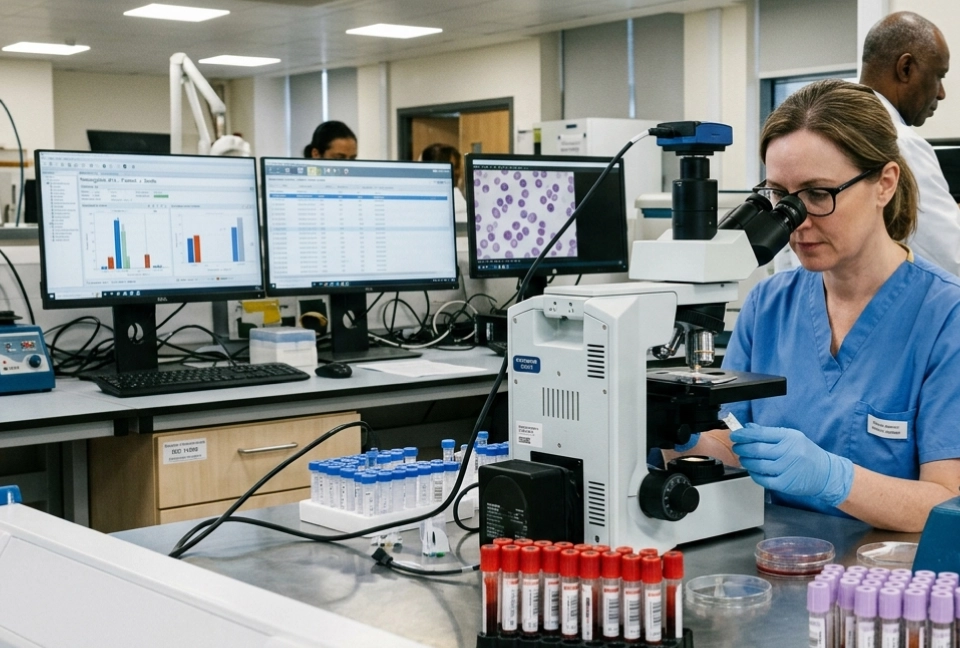
Heymed Medical operates under an ISO 13485 quality management system covering product development, supplier and material control, manufacturing, inspection, testing, documentation, traceability, nonconforming product control, and engineering changes. Project-specific quality plans and inspection criteria are established according to approved product requirements and identified risks.
MECHANICAL RELIABILITY
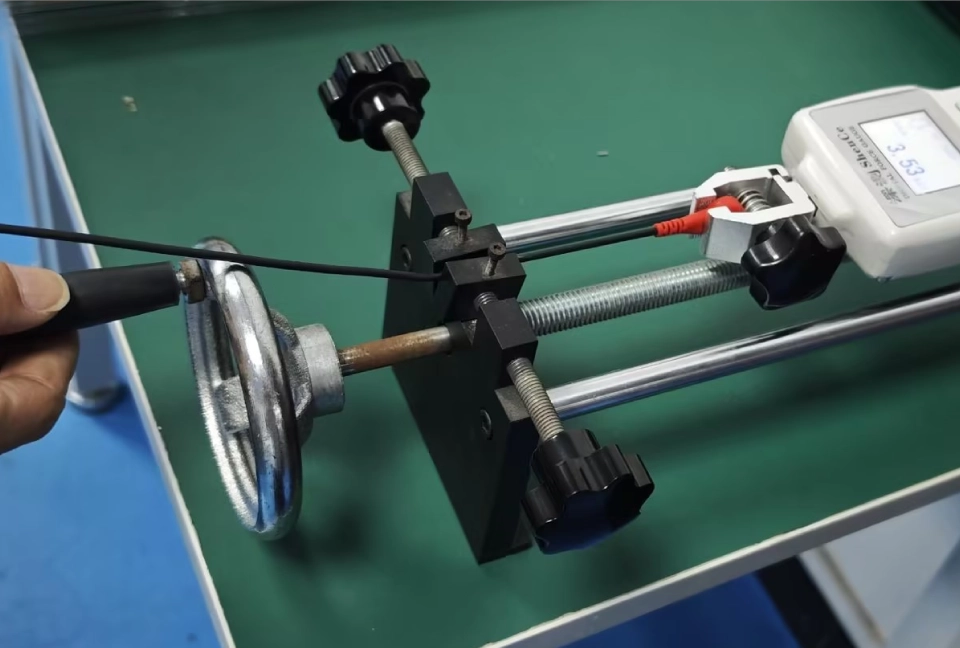
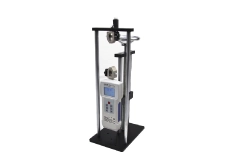
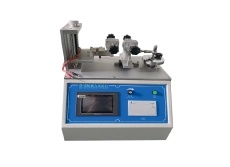
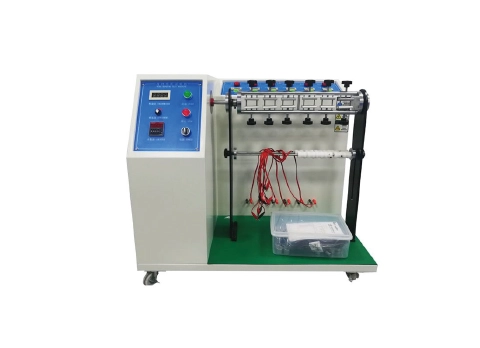
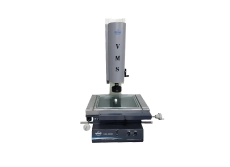
For medical cable assemblies, electrode leads, and wearable accessories, testing may include cable flexing, pull force, connector retention, strain-relief performance, insertion and withdrawal cycles, torsion, and dimensional inspection. Test loads, bending radii, cycle counts, and acceptance criteria are defined according to the product design, customer specifications, and intended application.

MATERIAL CONTROL
For electrodes, wearable accessories, and other skin-contact components, Heymed Medical reviews material specifications, supplier documents, and project-specific requirements. Where biological evaluation is required, the assessment and testing plan is determined according to the finished product, nature and duration of body contact, intended use, and target market, with reference to applicable ISO 10993 requirements.
ELECTRICAL PERFORMANCE
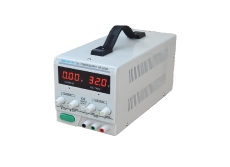
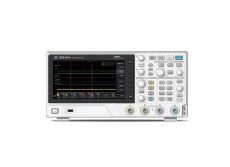
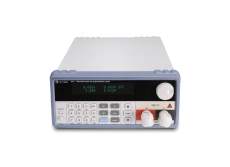
Medical electrodes and biosignal cable assemblies often transmit low-level ECG, EEG, and EMG signals. Depending on project requirements, Heymed Medical evaluates continuity, contact resistance, insulation resistance, withstand voltage, shielding, conductor configuration, polarity, and interface compatibility to support stable signal transmission and reliable device connectivity.

QUALITY CONTROL PROCESS
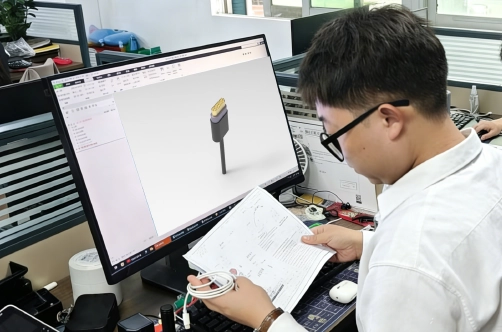
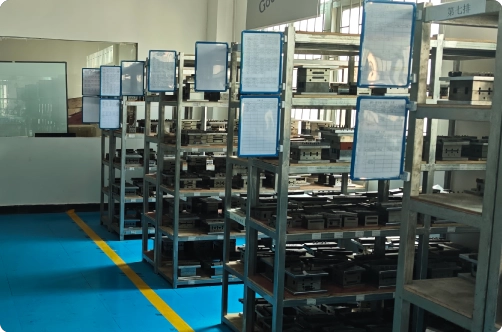
Quality is controlled throughout material sourcing, manufacturing, testing, final inspection, and shipment release. Heymed Medical follows documented inspection criteria based on approved drawings, specifications, samples, and project requirements to support consistent and traceable production.
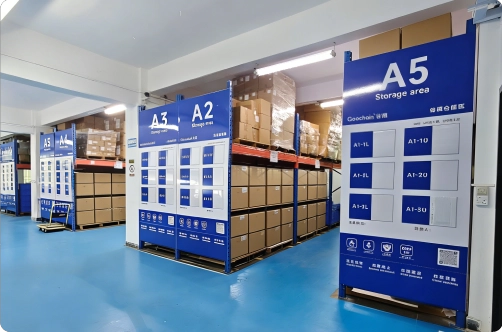
Incoming cables, connectors, electrodes, plastics, electronic components, and packaging materials are checked against approved specifications for identification, appearance, dimensions, quantity, and applicable documentation before production use.
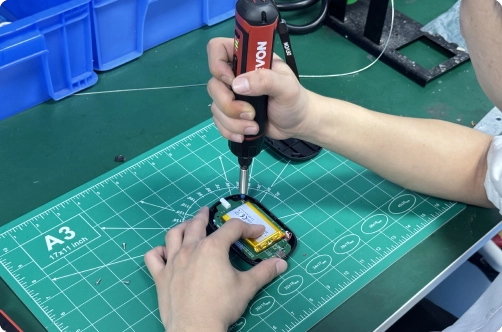
Key process parameters and workmanship are monitored during cable processing, soldering, crimping, molding, overmolding, assembly, and product integration, with inspection results recorded at defined control points.
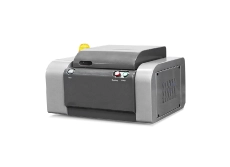
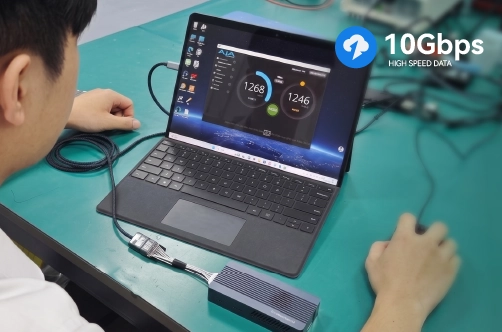
Applicable tests may include continuity, resistance, insulation, withstand voltage, polarity, signal path, charging performance, data transmission, and device interface verification according to project requirements.
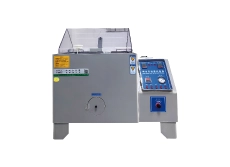
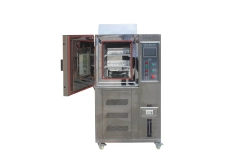
Project-specific verification may include pull force, cable flexing, connector insertion and withdrawal, retention, torsion, temperature cycling, and other durability tests using agreed test conditions and acceptance criteria.
Finished products are reviewed for appearance, dimensions, electrical and functional performance, labeling, packaging, quantity, and required quality records before shipment is approved.
Heymed Medical combines ISO 13485 quality management, documented inspection, project-specific testing, and controlled production records to support consistent quality from approved samples and pilot runs through volume production and repeat orders.
Work with Heymed Medical on OEM/ODM development and controlled manufacturing for tVNS and taVNS products, EEG electrodes, medical lead wires, custom cable assemblies, and medical docking and charging products—from engineering samples and validation to volume production.
Tell our engineering team about your product application, device interface, performance targets, compliance needs, and expected quantity. We will review your information and contact you to discuss technical feasibility, customization options, and recommended next steps.
Tip: A drawing, device interface photo, pinout diagram, or reference sample can help our engineering team evaluate your project more accurately and efficiently.


