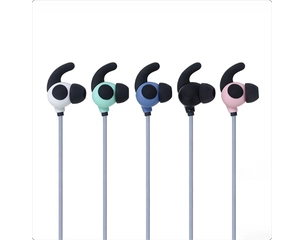
Dual Ag/AgCl Ear Clip Electrode Cable for tVNS, taVNS and Neuromodulation Device Integration
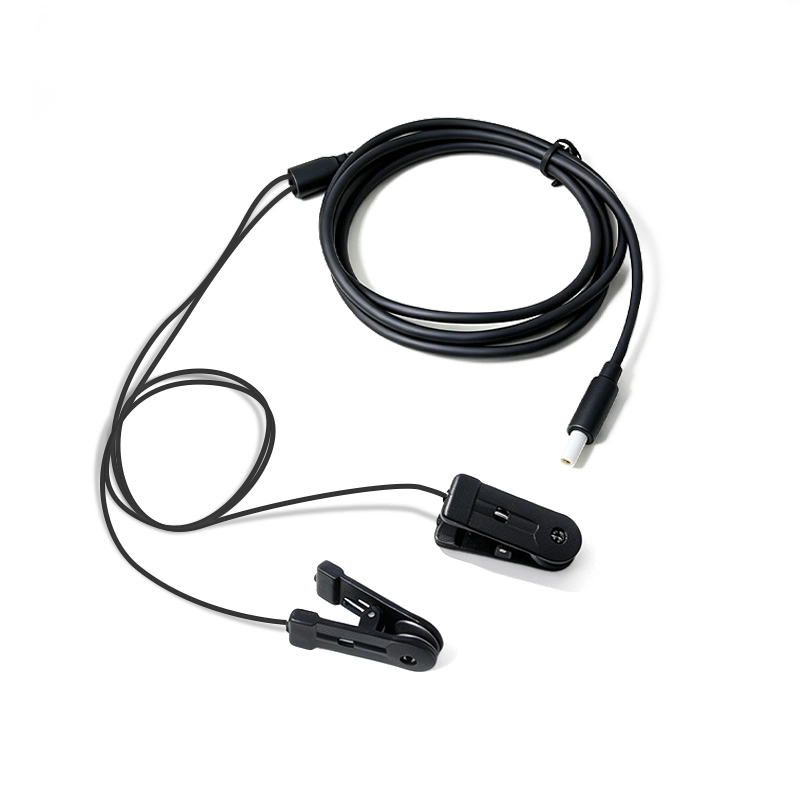
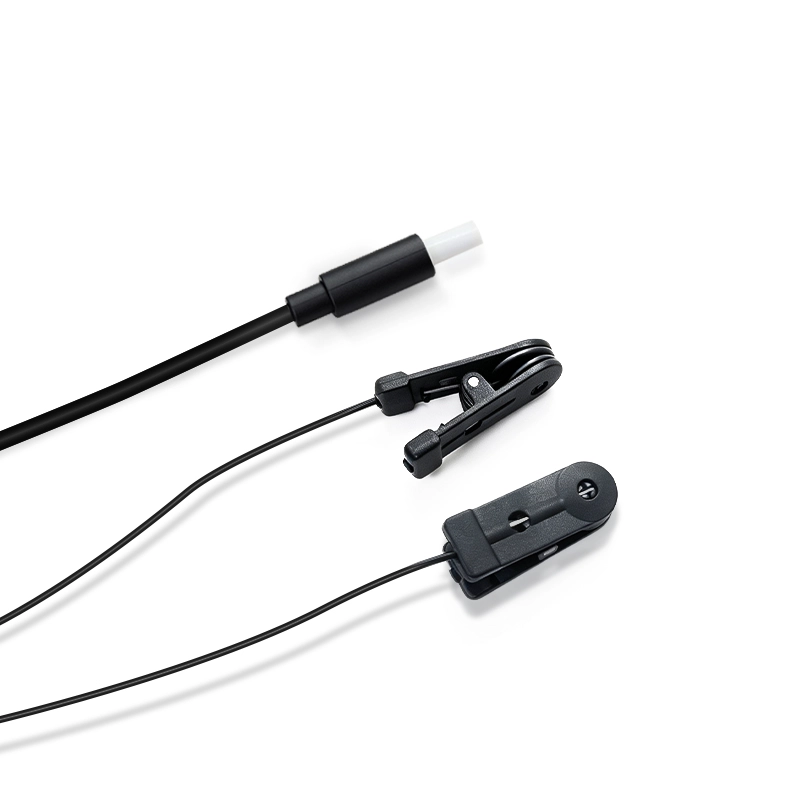
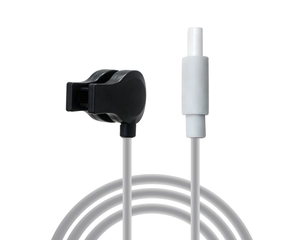
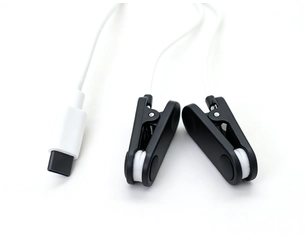
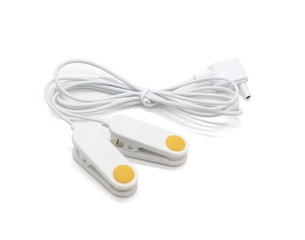
This reusable dual ear-clip electrode cable combines two independent Ag/AgCl contact electrodes with a DC 2.35mm safety-style device connector. It is designed as a configurable ear-contact interface for compatible tVNS, taVNS, CES, TENS, microcurrent and related neuromodulation equipment.
The dual-clip structure allows two electrode contact points to be incorporated into one cable assembly, while the final placement, polarity and electrical function are determined by the target device design and approved operating protocol. Cable length, electrode dimensions, clip force, connector structure and contact configuration can be developed around the customer's finished equipment.
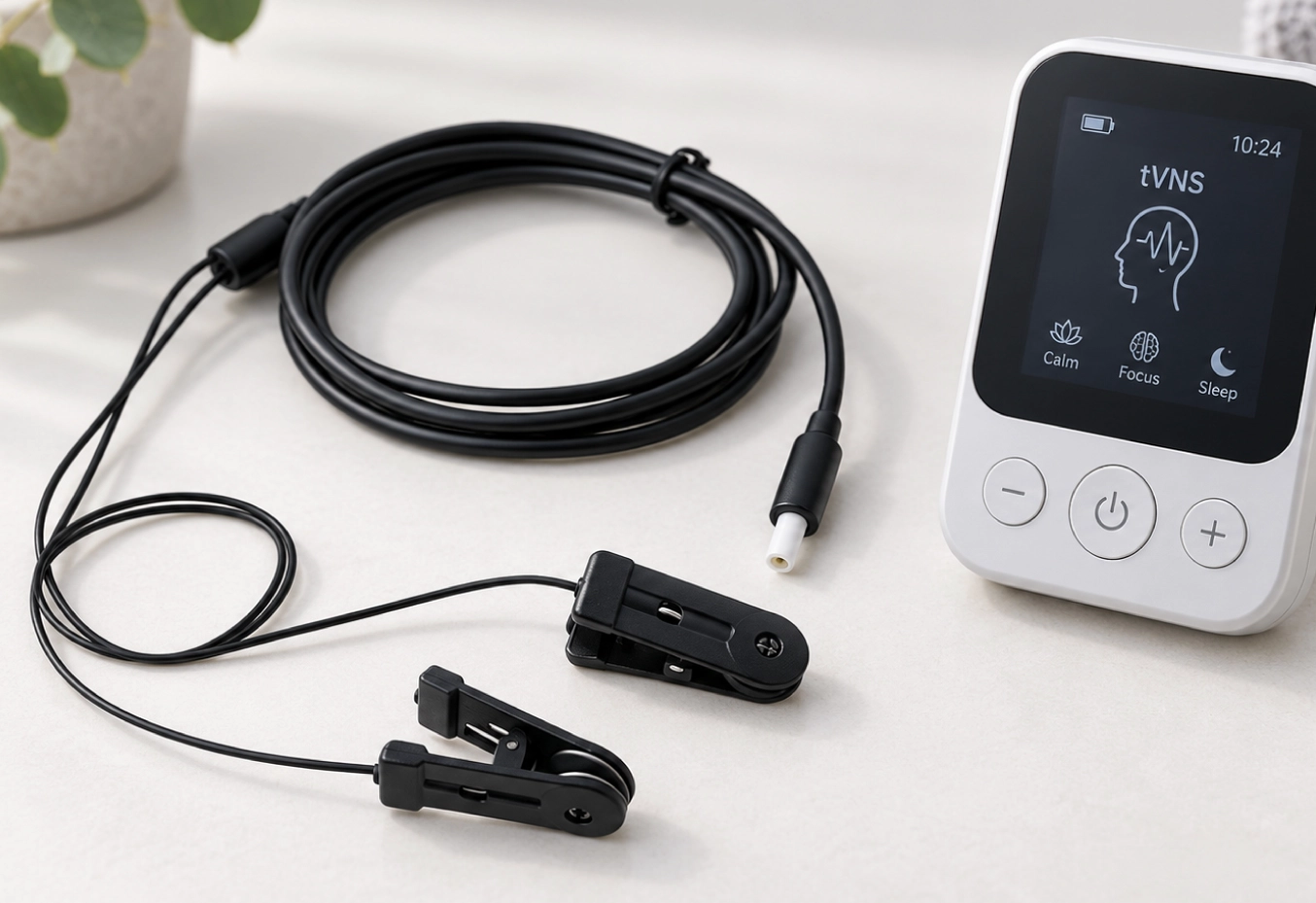
Dual Ag/AgCl Contact Surfaces for a Defined Ear-Electrode Interface
Each ear clip incorporates a silver/silver chloride contact surface, creating a defined conductive interface between the cable assembly and the intended ear-contact area. The electrode material is integrated directly into the reusable clip structure rather than relying on a separate disposable adhesive electrode.
Because two separate ear clips are provided, the assembly can support bilateral or other dual-site configurations where specified by the target device. The exact function of each electrode, including polarity and placement, should follow the electrical definition and user instructions of the finished equipment.
Ag/AgCl contact dimensions and mounting structure can also be reviewed during OEM development so that the electrode geometry matches the intended ear-clip housing and system requirements.
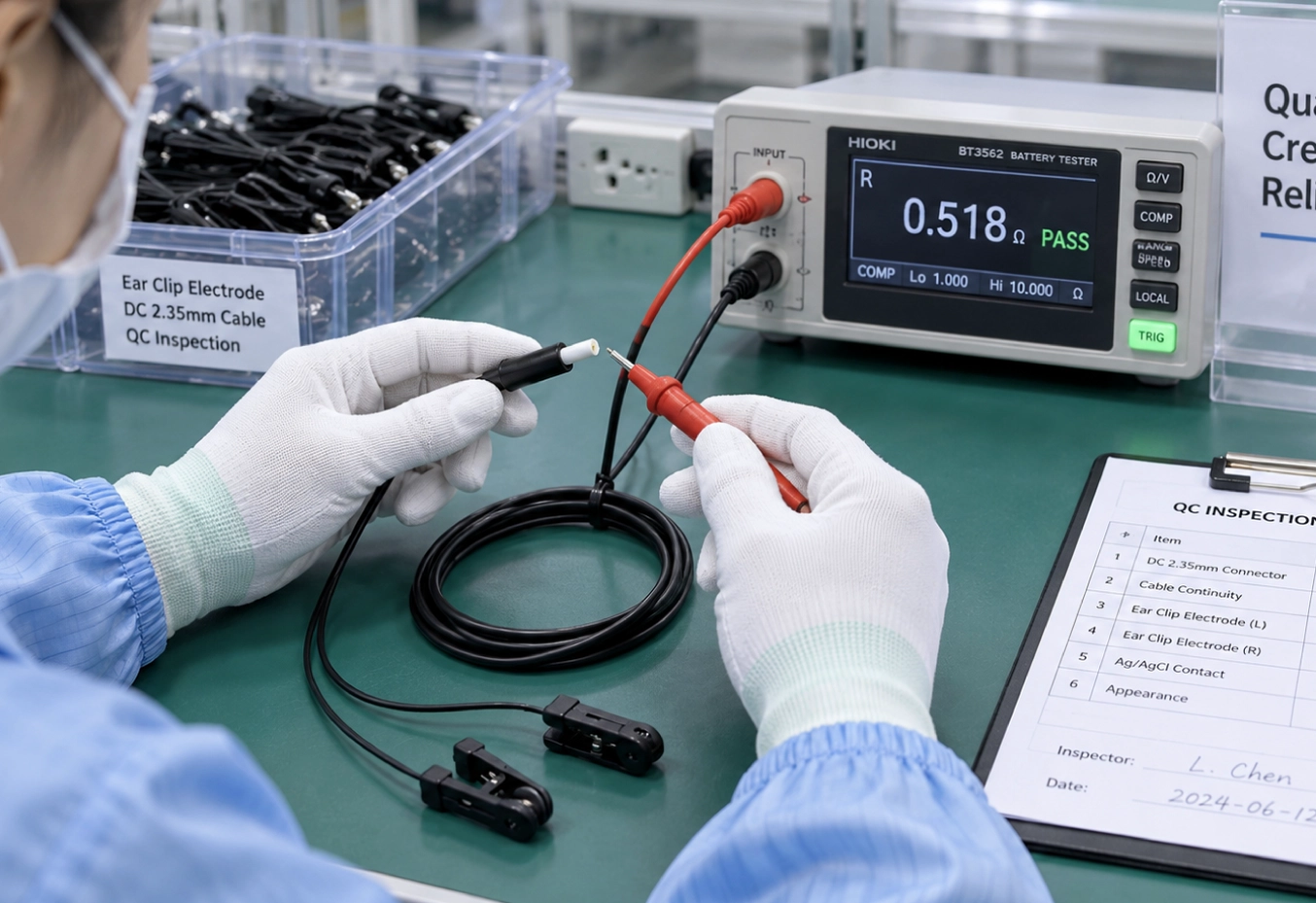
Spring-Loaded Ear Clip Structure for Repeatable Positioning
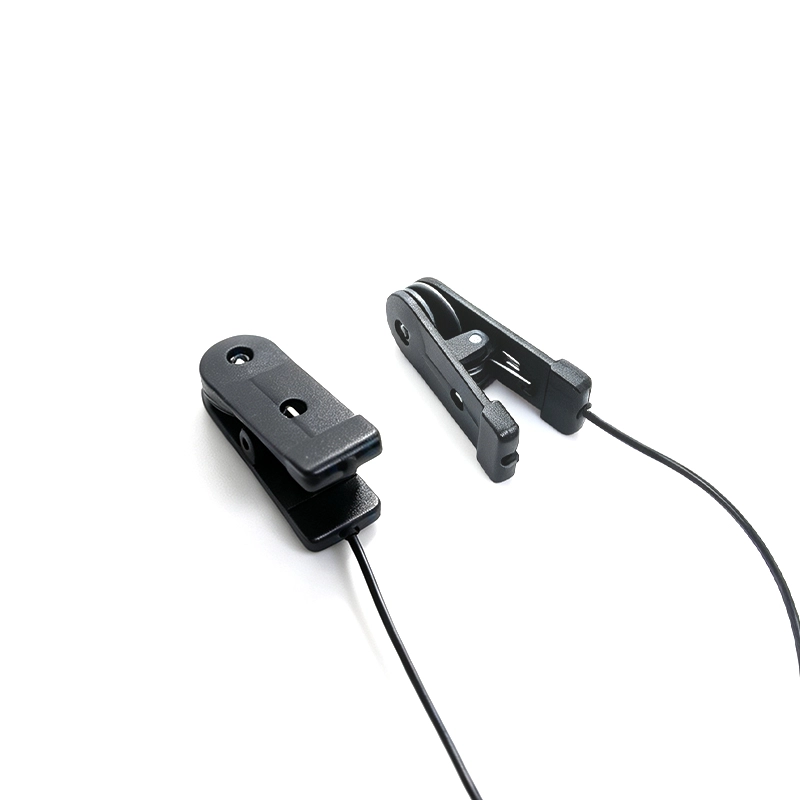
The spring-loaded clip provides mechanical retention around the intended ear-contact location while keeping the electrode assembly removable and reusable. Clip geometry, opening range and spring force influence how the electrode fits the intended user interface and should be considered together during device development.
Excessive clip force may affect wearing comfort, while insufficient force may make positioning less consistent. For this reason, spring characteristics should be evaluated with the actual electrode dimensions, housing structure and intended use conditions rather than treated as a fixed parameter.
For OEM and ODM projects, the ear-clip housing, contact size, spring force, cable exit position and overall geometry can be modified according to the approved product design.
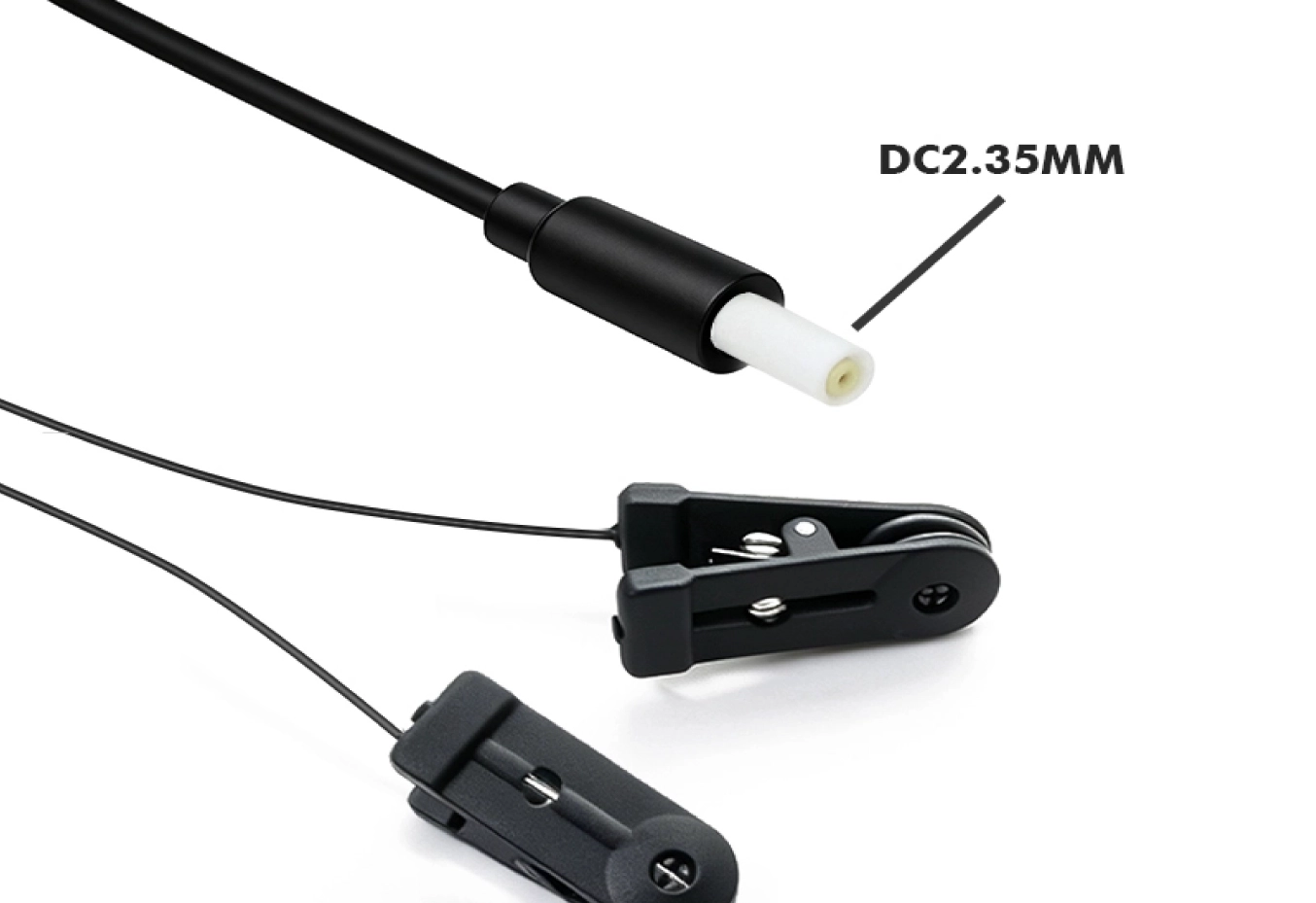
DC 2.35mm Device Interface Requires Pinout and Polarity Verification
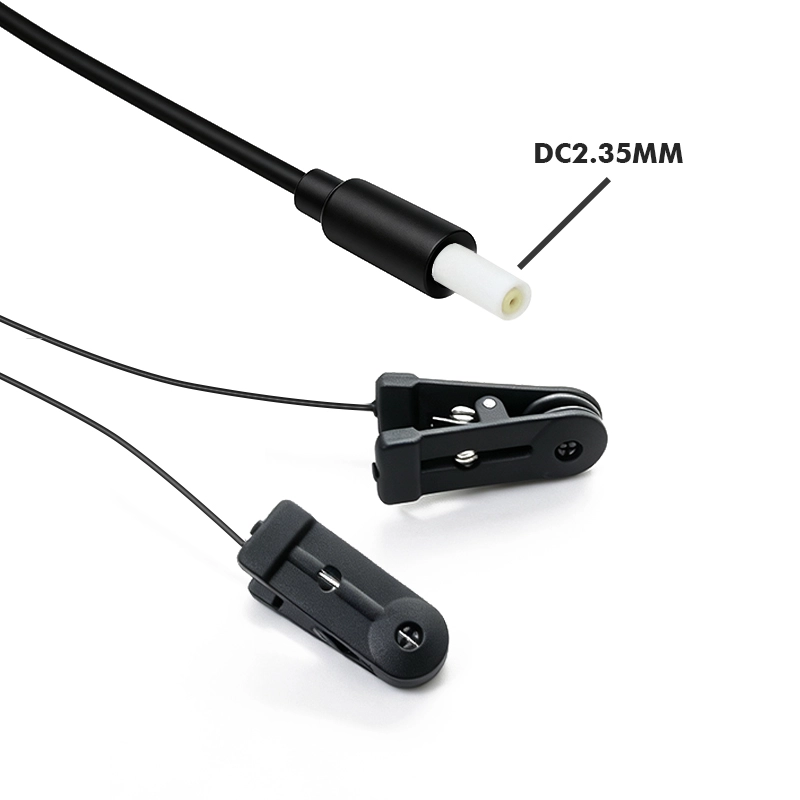
The equipment side uses a DC 2.35mm safety-style plug, providing a compact connector for compatible stimulation and neuromodulation devices. However, connector diameter alone does not define electrical compatibility.
Polarity, internal contact assignment and the electrical relationship between the device connector and the two ear electrodes should be confirmed according to the target equipment. Devices using mechanically similar 2.35mm connectors may use different electrical definitions.
Heymed Medical can review connector drawings, device pin definitions, wiring diagrams, interface photos or existing samples before prototype production, helping ensure that the cable is developed according to the actual equipment interface.
Key Engineering Details for Custom Ear Electrode Development
Ag/AgCl electrode contact: contact dimensions, mounting structure and electrode geometry can be configured according to the intended ear-clip design.
Ear-clip structure: clip dimensions, opening range, spring force and housing geometry can be adjusted around the finished product.
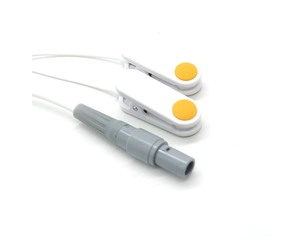
Device connector: DC 2.35mm or another project-specific connector can be selected according to the target equipment interface.
Pinout and polarity: electrical mapping between the device-side connector and each electrode contact should follow the approved device definition.
Cable construction: cable length, conductor configuration, TPU, TPE or silicone jacket, strain relief and branch dimensions can be customized.
Product configuration: housing color, labels, branding and packaging can be developed according to OEM/ODM project requirements.
Designed Around the Complete Neuromodulation Device
An ear electrode cable should be evaluated as part of the complete device system rather than as an isolated accessory. Device output architecture, polarity, electrode configuration, cable routing, contact geometry and intended placement all influence the final assembly design.
For new device projects, Heymed Medical can work from electrical diagrams, interface definitions, industrial-design drawings or existing reference samples to review both the electrical connection and mechanical ear-clip structure.
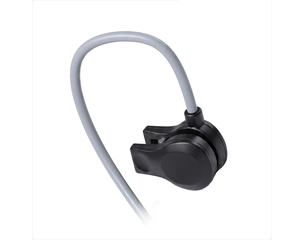
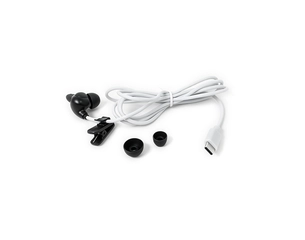
Additional ear-electrode configurations are available in our tVNS & taVNS Ear Electrodes range for projects requiring different contact materials, connectors or clip structures.
Reusable Electrode Assembly and Project-Specific Cleaning Requirements
This ear-clip assembly is designed as a reusable product, but reuse conditions should be defined as part of the finished-device specification. Contact surfaces, clip housing, cable jacket and strain-relief areas should be evaluated against the cleaning method selected for the intended product.
Cleaning agents, exposure time, repeated-use cycles and inspection criteria may affect materials differently. These requirements should therefore be confirmed during product validation rather than assuming compatibility with a general cleaning process.
Where required, prototype assemblies can be evaluated for connector fit, electrical continuity, electrode condition, clip force and cable integrity before the final production specification is approved.
From Ear-Electrode Concept to OEM/ODM Production
Heymed Medical supports custom ear-electrode projects from interface review and electrode-structure development through engineering samples and volume manufacturing. Customers can provide a target device, electrical definition, electrode drawing, existing cable sample or product concept for technical evaluation.
During prototype development, connector mating, polarity, pin-to-pin continuity, Ag/AgCl contact dimensions, clip geometry, spring force, cable dimensions and overall assembly can be checked against the approved project requirements.
The completed ear-electrode assembly should ultimately be validated together with the intended device, operating parameters, user instructions, cleaning process and applicable regulatory requirements before commercial use.
Related tVNS & taVNS Ear Electrode Solutions
Different neuromodulation devices may require different electrode materials, ear-contact structures and device-side connectors. The following products provide alternative configurations for related development projects.
DC 2.35mm Dual-Contact tVNS/taVNS Ear Clip Electrode Cable →
A dual-contact spring ear clip using absorbent PE contact pads for compatible tVNS, taVNS, CES, TENS and microcurrent devices.
Reusable Silicone tVNS/taVNS Ear Clip Electrode Cable →
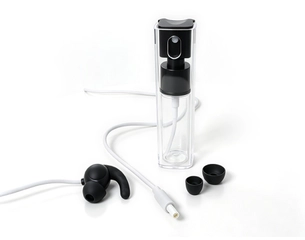
An alternative reusable ear-electrode structure using silicone construction with selectable conductive contact materials and customizable device-side connectors.

 Search