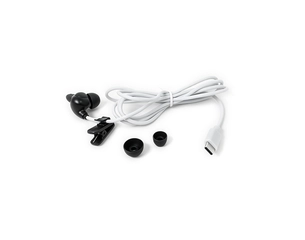
4-Pin Self-Locking Connector to Dual tVNS Ear Clip Electrode Cable
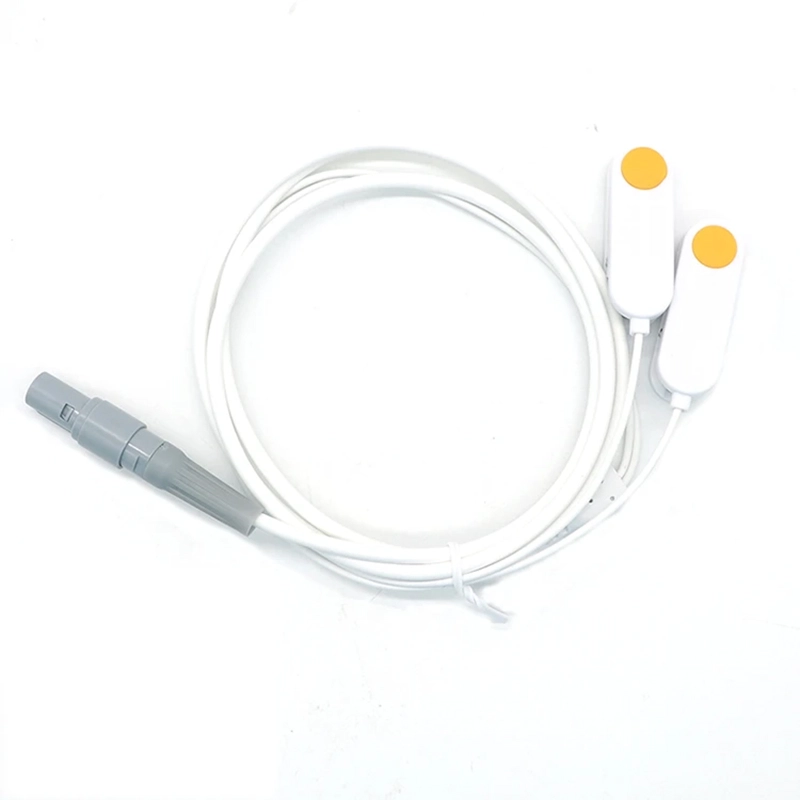
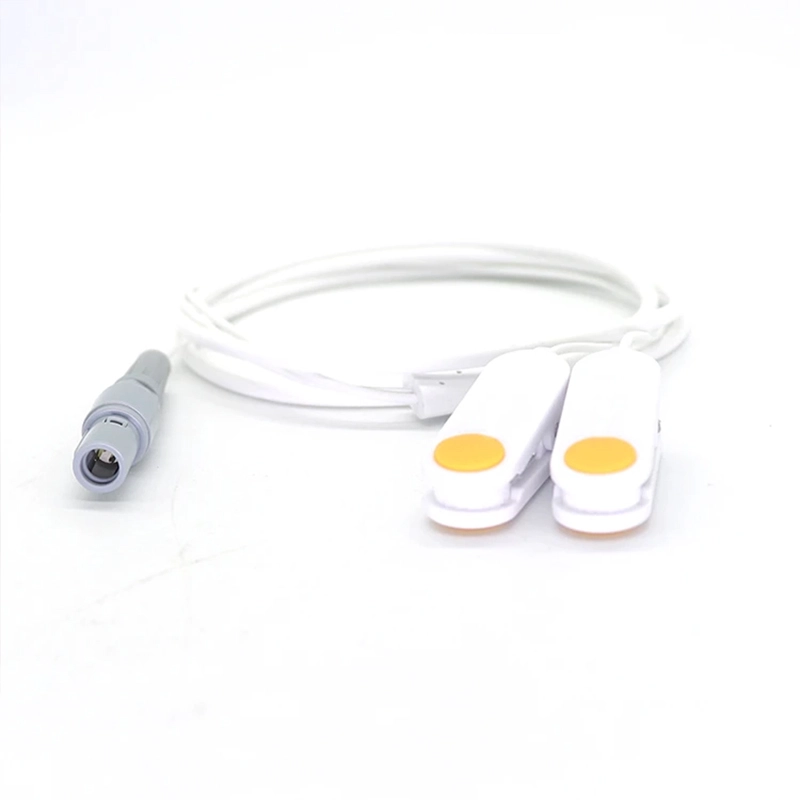
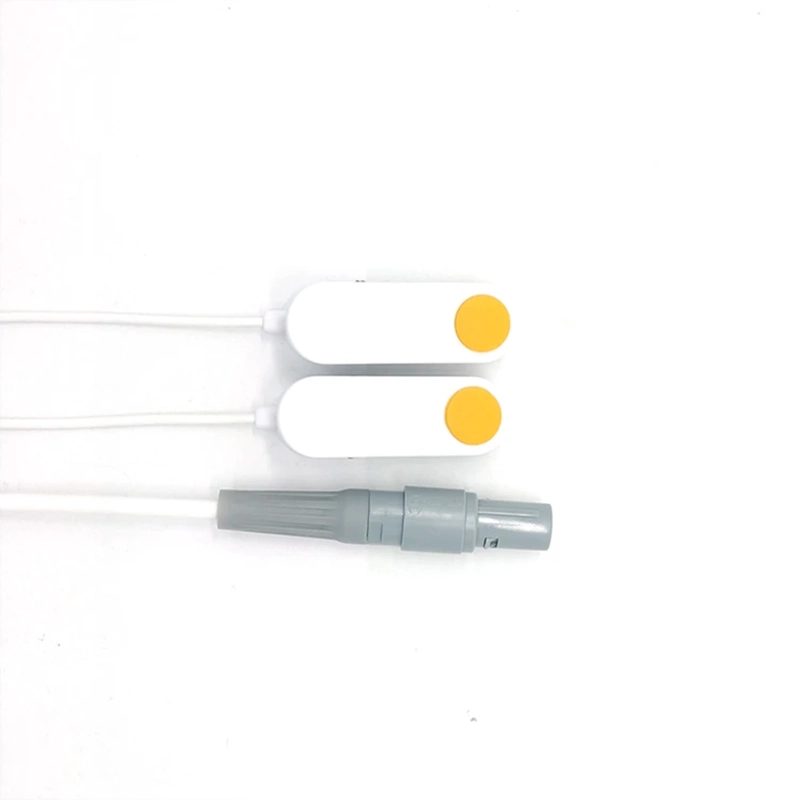
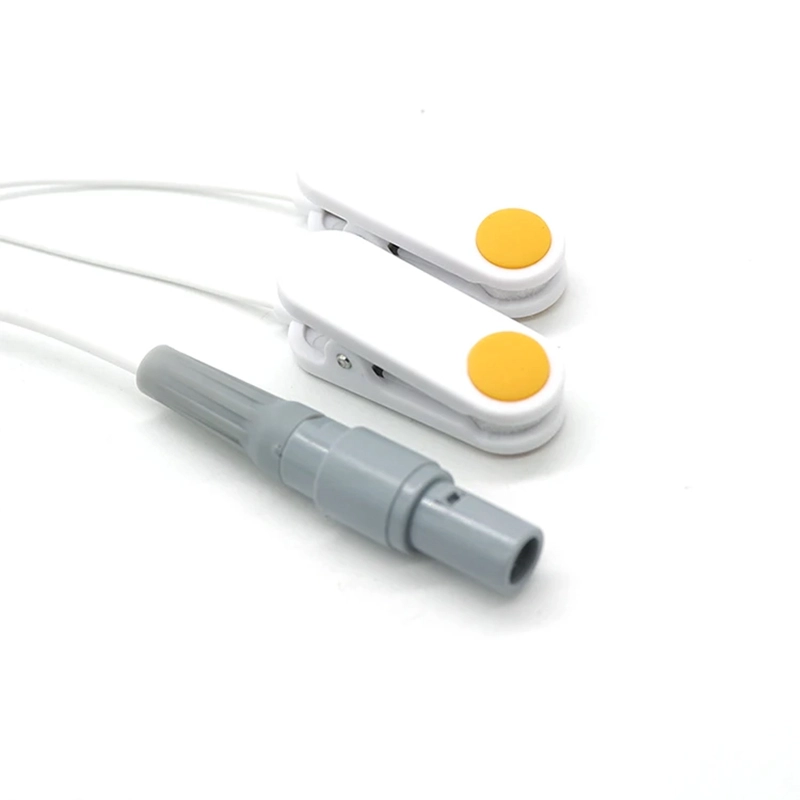
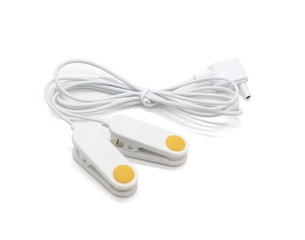
This custom auricular electrode cable combines a 4-pin self-locking circular connector with two independent ear clip electrodes for compatible tVNS and taVNS device integration. The locking device-side interface provides a detachable connection with mechanical retention, while the dual ear clip structure allows two electrode channels to be incorporated into one cable assembly.
Connector keying, pin assignment, polarity, cable length, jacket material, ear clip geometry, conductive contact structure and labeling can all be developed according to the target device. This makes the cable suitable for OEM/ODM projects that require a product-specific device-to-electrode connection rather than a fixed standard accessory.
Self-Locking Circular Interface for Secure Device-Side Connection
The equipment side uses a 4-pin self-locking circular connector designed to remain mechanically engaged after insertion. Compared with a simple friction-fit plug, the locking structure can provide a more controlled detachable connection for portable or repeatedly handled devices.
Connector appearance alone does not establish compatibility. Shell dimensions, locking structure, keying direction, contact arrangement, mating depth and electrical pinout must all correspond to the target controller.
A LEMO-compatible configuration can be evaluated where required by the project, but final compatibility should always be verified against the actual mating connector and device specification rather than assuming interchangeability from appearance or pin count alone.
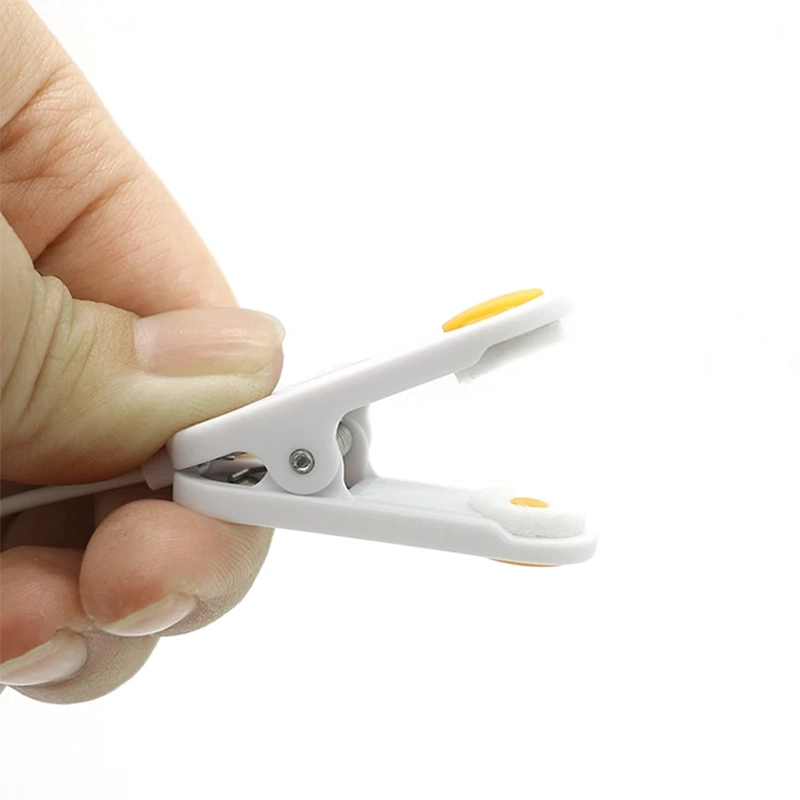
Dual Ear Clip Architecture for Configurable Auricular Electrode Systems
Two separate ear clip electrodes are incorporated into the cable assembly, allowing the device-side connection to be distributed into two independent ear-contact branches. The electrical function of each electrode depends on the approved channel definition, polarity and output architecture of the connected device.
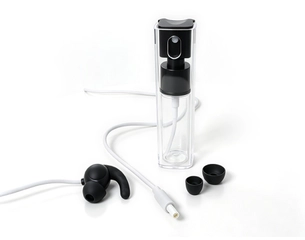
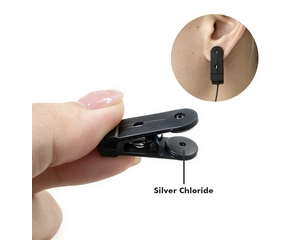
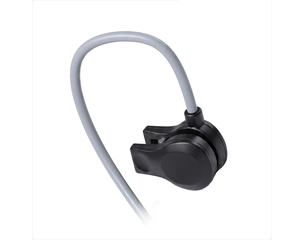
Ear clip geometry, opening range, spring force, conductive contact material and cable exit direction can be reviewed together during custom development. This allows the electrode structure to be adapted around the intended product rather than forcing every device to use the same clip design.
For projects requiring a softer reusable contact structure, our Reusable Silicone tVNS / taVNS Ear Clip Electrode Cable provides another ear-electrode architecture with configurable conductive contact options.

Pinout, Polarity and Channel Definition Must Match the Controller
A 4-pin connector does not automatically determine how the two ear electrodes should be wired. Different controllers may assign the four contacts differently even when the connector appears mechanically similar.
Heymed Medical can review device pinout diagrams, PCB definitions, connector drawings, channel tables or existing cable samples before prototype production. The relationship between the four device-side contacts and the two ear electrode branches can then be configured according to the approved electrical definition.
Where a simpler device-side connection is preferred, a DC 2.35mm to Dual Ag/AgCl Ear Clip Electrode Cable provides an alternative connector and electrode-contact architecture for compatible device-development projects.
Key Customization Options
Device connector: Self-locking circular connector series, keying, shell dimensions and mating structure according to the target equipment.
Pinout and polarity: Electrical mapping between the device connector and each ear electrode contact.
Ear clip structure: Clip dimensions, opening range, spring force, contact position and housing geometry can be project-specific.
Conductive contact: Contact material and geometry can be selected according to the approved electrode design.
Cable configuration: 1.0m, 1.2m or customized length, with Silicone, TPE, TPU or PVC jacket options according to project requirements.
OEM/ODM presentation: Cable color, ear clip color, labeling, logo and packaging can be developed for private-label programs.
Developed Around the Complete tVNS / taVNS Device Interface
An ear electrode cable should be evaluated together with the controller rather than as an isolated accessory. Connector structure, electrical output, polarity, channel definition, cable routing and electrode-contact geometry all influence the final system configuration.
Customers can provide a controller model, electrical diagram, connector specification, electrode drawing or existing reference sample for engineering review before sampling. This allows the mechanical and electrical interface to be confirmed as one complete connection system.
Other ear clip, auricular electrode and connector configurations can be reviewed through our tVNS & taVNS Ear Electrodes range according to the target device architecture.
From Engineering Sample to OEM/ODM Production
Custom development can begin from a device drawing, connector model, pinout definition, ear electrode sample or complete product requirement. Heymed Medical can review connector mating, cable structure and electrode configuration before preparing engineering samples.
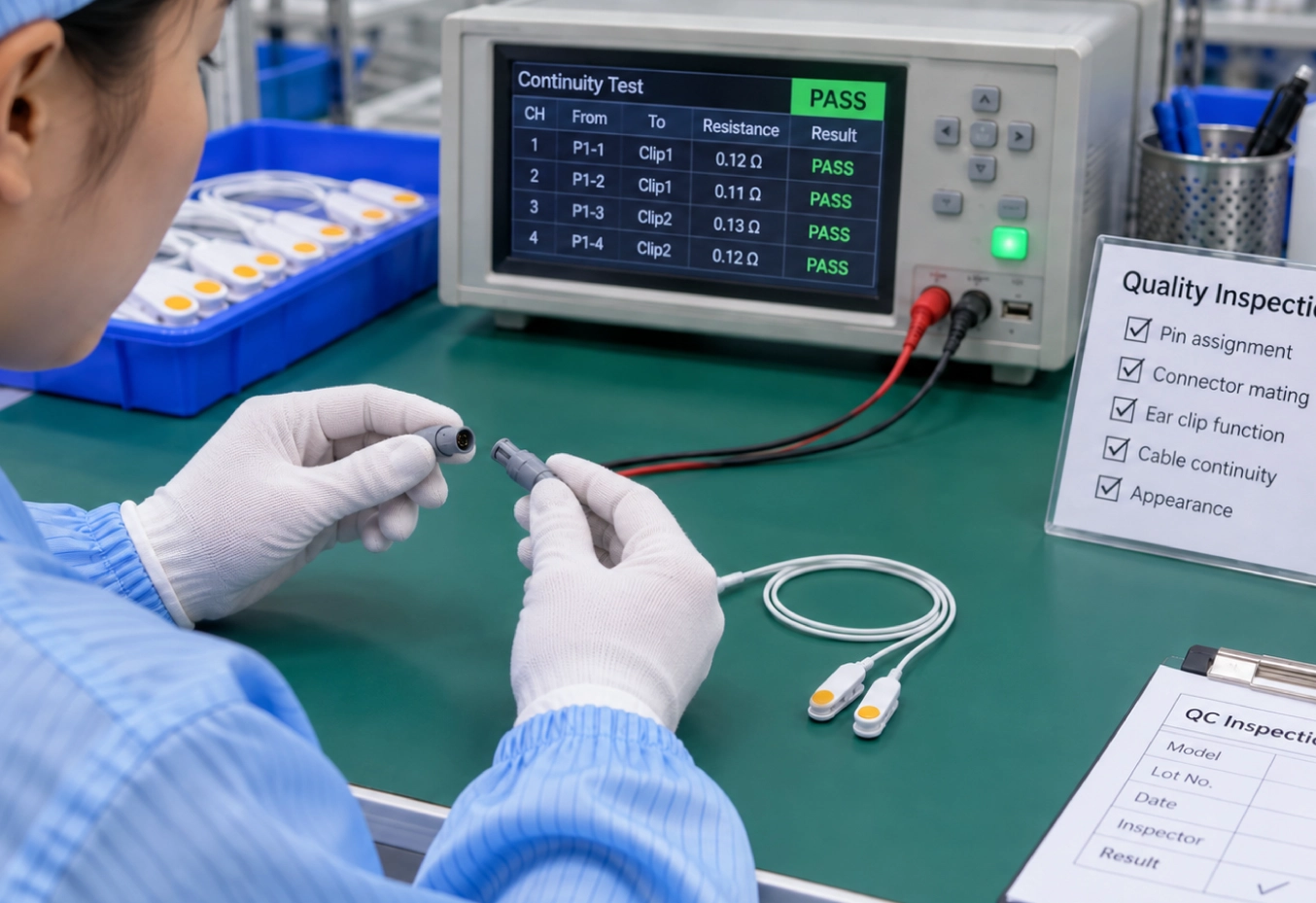
During prototype evaluation, connector locking and mating, keying orientation, pin-to-electrode continuity, polarity, cable dimensions, clip mechanics and overall assembly can be checked against the approved project specification.
Once the design is confirmed, connector molding, cable assembly, ear electrode production, inspection, labeling and packaging can be transferred into repeatable production. Projects requiring additional interface development can also be supported through our Custom Medical Cable Assemblies engineering and manufacturing capability.

 Search