 Search











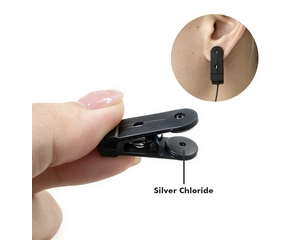
DC 2.35mm Safety Plug to Dual Ag/AgCl taVNS Ear Clip Electrode Cable
Reusable dual ear-clip electrode assembly with silver/silver chloride contact surfaces for compatible taVNS, CES, TENS and microcurrent devices.


Explore tVNS and taVNS devices and electrodes, EEG electrodes and caps, ECG/EMG lead wires, therapy accessories, custom medical cable assemblies, and medical charging docks.
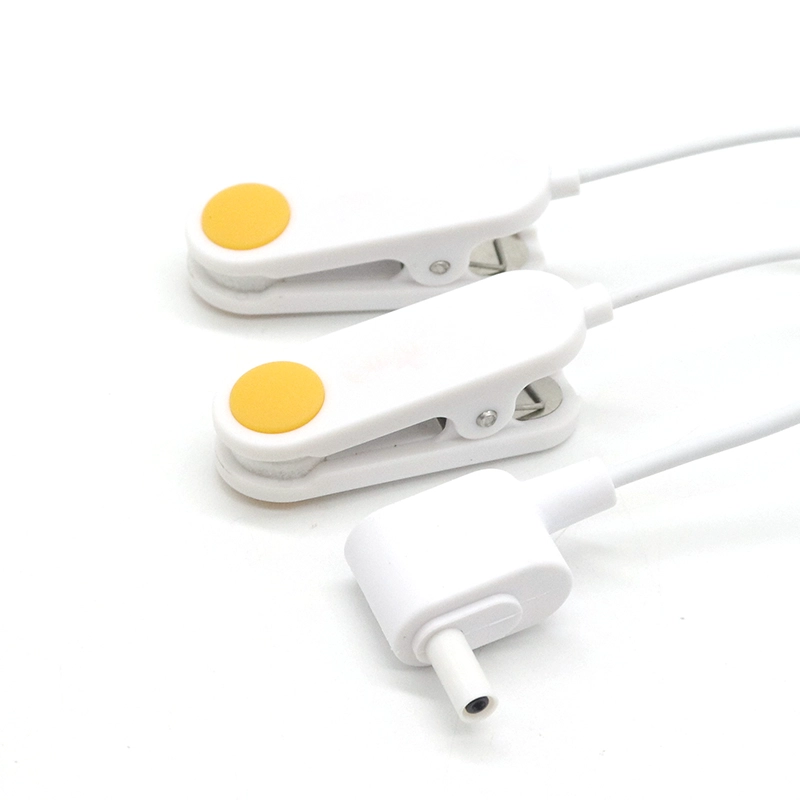
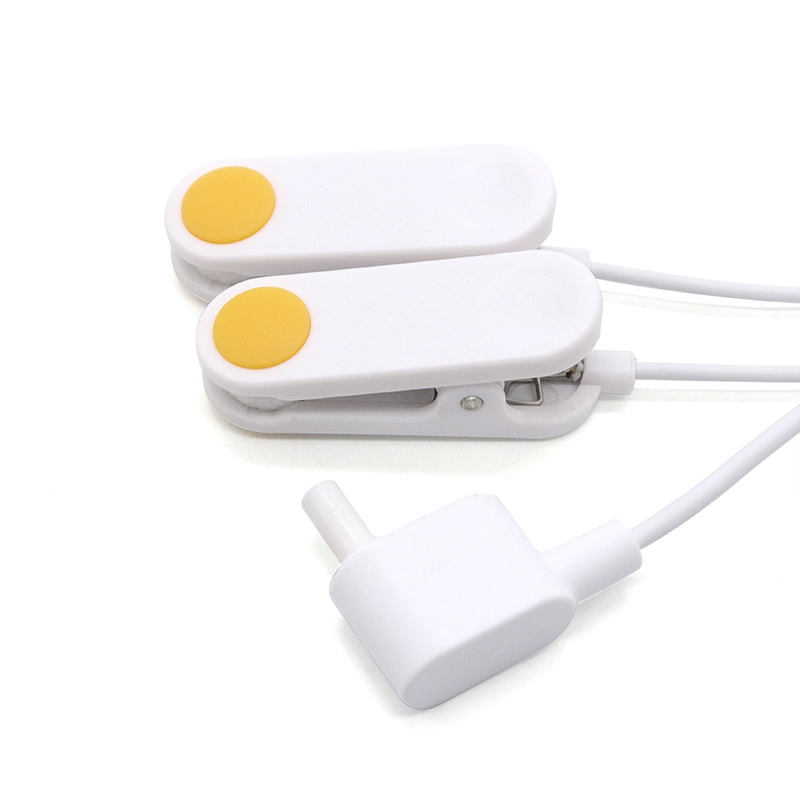
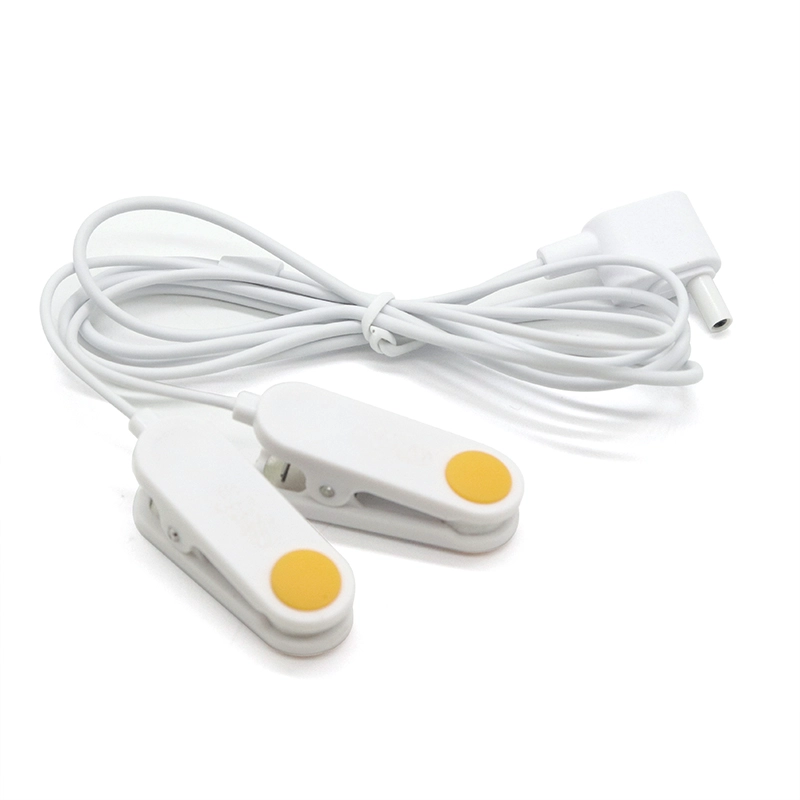
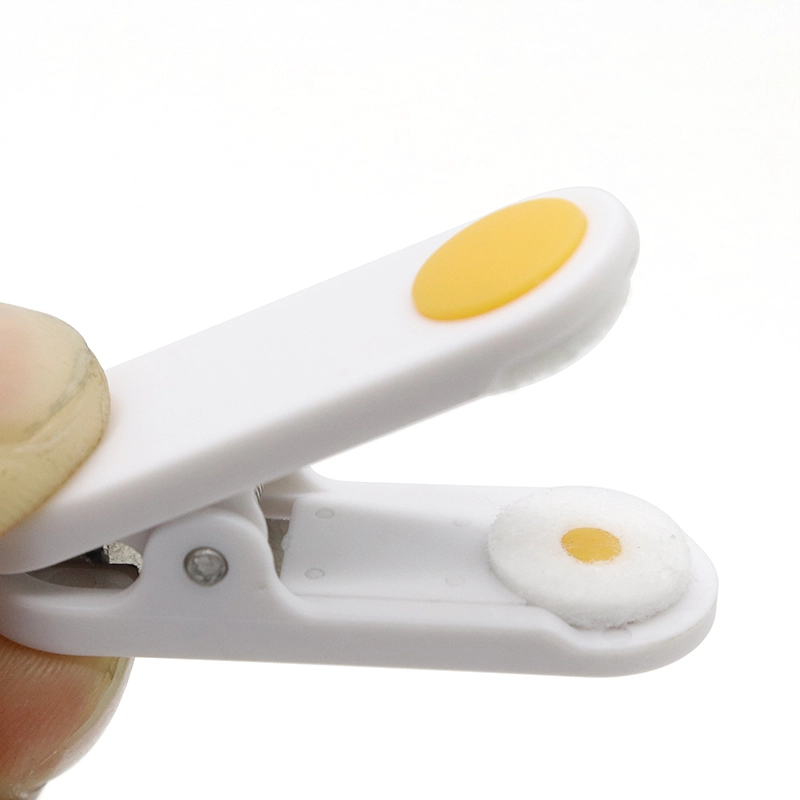
A 1.2m spring-loaded ear clip electrode cable with PE contact pads for compatible tVNS, taVNS, TENS, CES, and microcurrent devices.
The Heymed Medical DC 2.35mm Dual-Contact tVNS / taVNS Ear Clip Electrode Cable is designed for compatible tVNS, taVNS and auricular stimulation devices requiring a reusable ear-contact electrode interface.
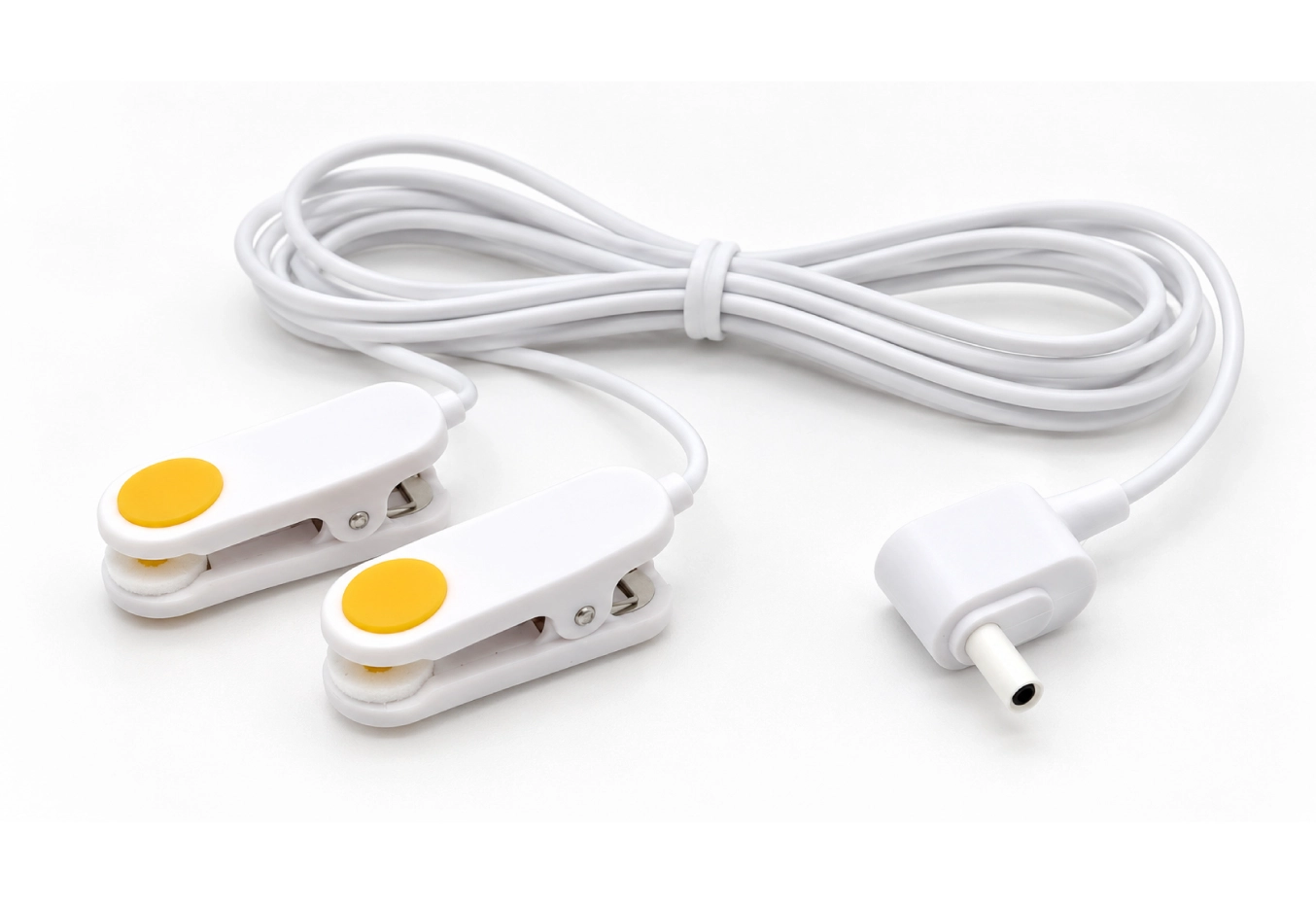
The product combines a DC 2.35mm safety male plug with a spring-loaded dual-contact ear clip and absorbent PE contact pads, with a standard cable length of 1.2m.
Heymed Medical supports customization of the connector, cable length, ear clip structure, contact configuration, color, labeling and packaging for OEM/ODM device projects.

Solutions & Applications
The DC 2.35mm Ear Clip Electrode Cable provides a reusable ear-contact interface for compatible tVNS, taVNS and auricular stimulation devices. Its dual-contact clip structure combines spring clamping with replaceable or project-specific contact components.
For OEM/ODM projects, connector type, cable length, ear clip structure, contact material, branch design, color and packaging can be developed according to the finished-device requirements.
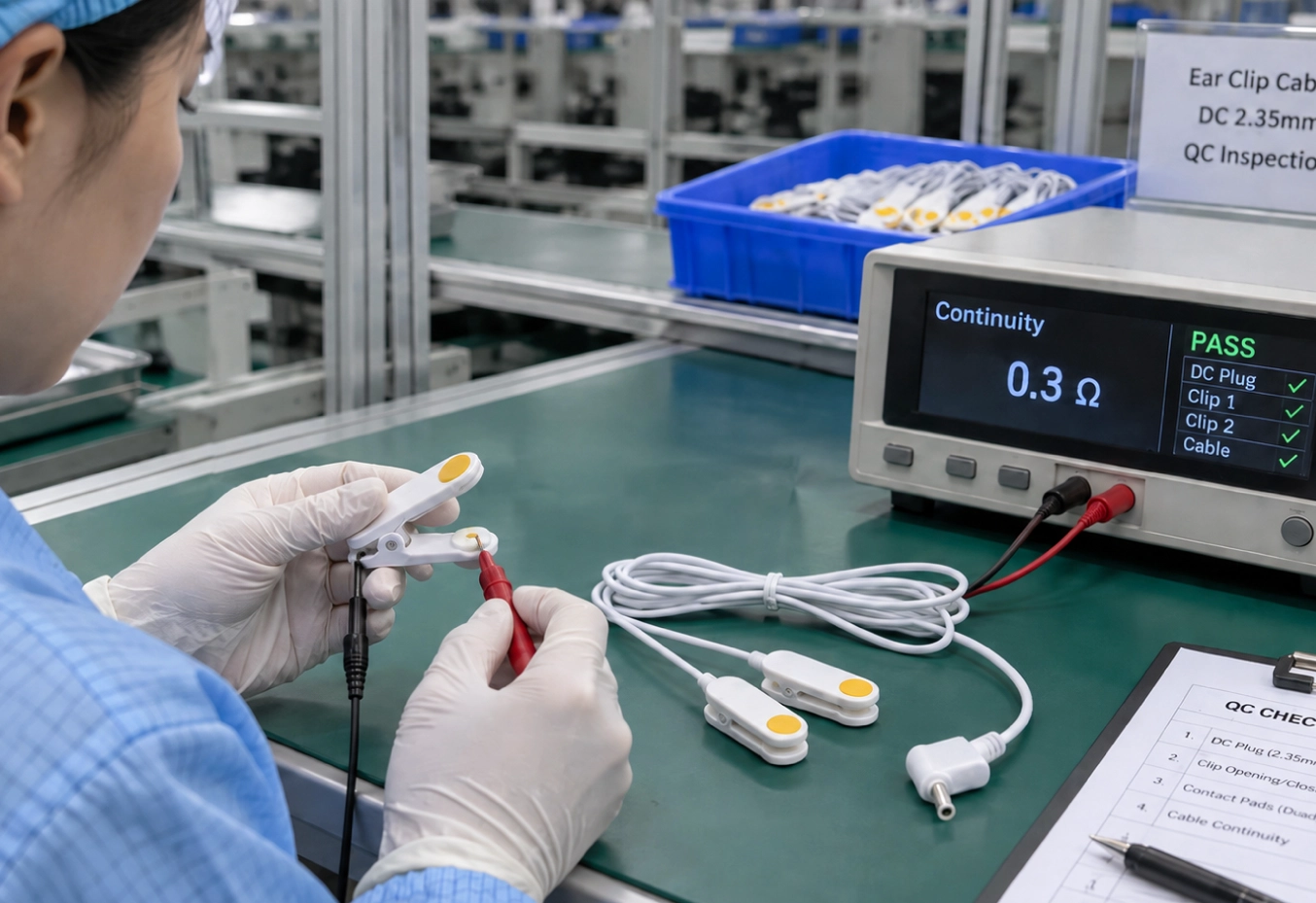
Heymed Medical supports device interface review, ear electrode integration, prototype development, continuity testing and volume manufacturing for custom tVNS and taVNS accessory projects.
Medical-grade auricular stimulation cable specifications for healthcare and neuromodulation therapy applications.
This reusable ear clip electrode cable combines a compact DC 2.35mm device-side connector with a dual-contact spring-loaded ear clip structure. Two absorbent PE contact pads provide separate electrical contact points, creating a configurable auricular electrode interface for compatible tVNS, taVNS, CES, TENS, microcurrent and related neuromodulation equipment.
The standard cable architecture provides a practical connection between the handheld or portable device and the ear-contact electrode. Connector configuration, polarity, cable length, clip structure, contact material and mechanical dimensions can be developed according to the target equipment rather than being limited to one fixed accessory specification.
The spring-loaded clip holds two separate contact pads on opposite sides of the intended ear-contact area. This dual-contact architecture allows two electrical contact points to be incorporated into one compact reusable clip rather than requiring two completely separate electrode assemblies.
The final function of each contact is determined by the electrical design of the connected device. Polarity, stimulation channel assignment and electrode placement should therefore follow the approved device specification and user instructions rather than being assumed from the physical clip structure alone.
For OEM projects, clip opening range, housing dimensions, spring force and contact-pad position can be reviewed together so that the electrode fits the mechanical and electrical architecture of the finished product.
The ear clip uses absorbent PE contact pads that can be used with an appropriate conductive gel or compatible conductive solution where specified by the finished-device instructions. The absorbent structure allows the conductive medium to be introduced at the defined electrode-contact area without requiring a disposable adhesive pad.
Contact performance depends on the complete electrode system, including pad material, conductive medium, contact area, clip pressure, electrical output and intended placement. These factors should be evaluated together during product development rather than treating the PE pad as an independent performance component.
Alternative contact materials and ear-electrode architectures can also be developed where the project requires Ag/AgCl, conductive silicone or another approved contact structure.
The standard assembly uses a DC 2.35mm safety-style plug on the device side. Although this connector provides a compact interface for portable stimulation and neuromodulation equipment, connector diameter alone does not determine compatibility.
Internal contact assignment, polarity and the electrical relationship between the device connector and the two ear-contact surfaces must match the target equipment. Two devices may use mechanically similar 2.35mm connectors while using different electrical definitions.
Heymed Medical can review connector drawings, device interface information, polarity definitions, wiring diagrams or existing samples before prototype development to help establish the correct cable configuration.
Device connector: DC 2.35mm or another project-specific connector can be selected according to the target equipment.
Pinout and polarity: electrical mapping between the device-side connector and the two electrode contacts should follow the approved device definition.
Contact structure: PE pad dimensions, contact position and alternative electrode materials can be evaluated according to the intended product design.
Clip mechanics: spring force, opening range, clip dimensions and housing geometry can be adjusted for project-specific requirements.
Cable construction: cable length, conductor configuration, jacket material, branch structure and strain relief can be customized.
Product configuration: housing color, private labeling, accessories and packaging can be developed for OEM/ODM projects.
An ear electrode cable should be developed as part of the complete device interface rather than selected only by connector type. Electrical output, polarity, electrode-contact material, clip geometry, cable routing and the intended operating method all influence the final assembly.
For new device projects, Heymed Medical can work from device drawings, electrical definitions, industrial-design files, existing electrodes or reference samples to review the cable and ear-contact structure together.
Additional contact and connector architectures are available through our tVNS & taVNS Ear Electrodes range.
Custom ear-electrode development can begin from a device model, connector specification, polarity definition, cable drawing, existing electrode sample or product concept. These inputs allow the electrical interface and mechanical ear-clip structure to be reviewed before engineering samples are prepared.
During prototype development, connector fit, electrical continuity, polarity, contact-pad dimensions, clip force, cable length and overall assembly can be checked against the approved project requirements.
The completed electrode assembly should ultimately be evaluated with the intended device, conductive medium, operating parameters, cleaning method and applicable regulatory requirements before commercial use.
Different neuromodulation devices may require different electrode contact materials, clip structures and equipment-side connectors.
DC 2.35mm Safety Plug to Dual Ag/AgCl taVNS Ear Clip Electrode Cable →
A reusable dual-ear-clip alternative using silver/silver chloride contact surfaces for compatible neuromodulation and microcurrent device development.
Reusable Silicone tVNS/taVNS Ear Clip Electrode Cable →
A reusable silicone ear-electrode option with selectable conductive contact materials and customizable device-side connectors.
We provide OEM and ODM medical cable assembly services for neuromodulation therapy device manufacturers and healthcare brands worldwide.
Reusable dual ear-clip electrode assembly with silver/silver chloride contact surfaces for compatible taVNS, CES, TENS and microcurrent devices.
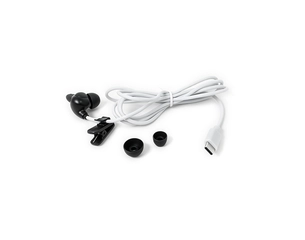
1.2m grey USB-C ear electrode cable kit with dual reusable ear clips and spray bottle for compatible tVNS and taVNS devices | OEM/ODM customization available
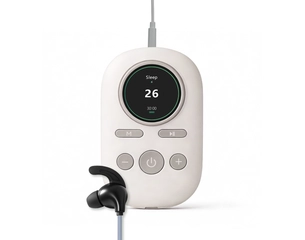
Compact handheld stimulation platform with LED status feedback, rechargeable power and configurable ear-electrode connectivity for OEM, ODM and private-label device development
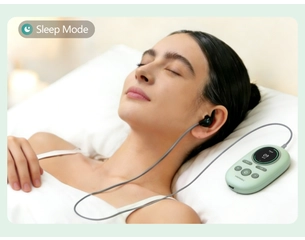
Compact rechargeable taVNS / tVNS device with three operating modes, adjustable intensity, 20-minute session control and compatible ear electrodes | OEM/ODM development available
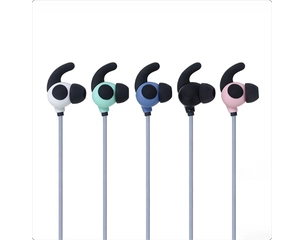
Reusable passive ear clip electrode assembly with a DC 2.35mm safety connector, 2-pole conductive silicone contacts and 1.2m lead wire for compatible tVNS / taVNS devices
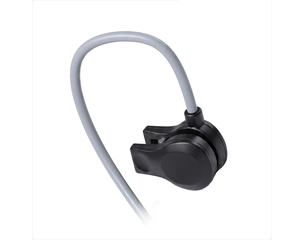
Soft reusable silicone ear clip electrode for compatible tVNS, taVNS and auricular stimulation devices | Custom connector, cable length and OEM/ODM options available
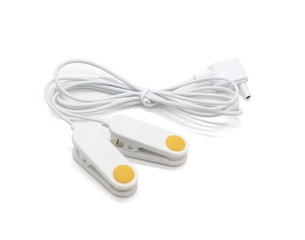
A 1.2m spring-loaded ear clip electrode cable with PE contact pads for compatible tVNS, taVNS, TENS, CES, and microcurrent devices.
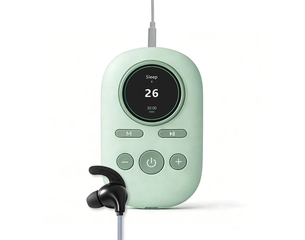
Compact rechargeable taVNS / tVNS stimulation device for compatible ear electrodes | LED status indication, USB charging and OEM/ODM development available
Resolve your concerns in advance — stress-free communication, efficient coordination
A DC 2.35mm tVNS ear clip electrode cable is an ear-contact cable assembly that connects a compatible neuromodulation or electrical stimulation device to an ear clip electrode through a DC 2.35mm connector.
It is designed for compatible tVNS, taVNS, CES, TENS, and microcurrent systems. Final compatibility should be confirmed according to the device connector, output specification, polarity, and intended application.
The standard configuration uses a DC 2.35mm safety plug on the device side. Other connector types can also be customized for OEM and ODM projects.
The ear clip uses a dual-contact spring-loaded structure with absorbent PE contact pads. The pads can be used with an appropriate conductive gel or compatible conductive solution according to the finished device instructions.
Yes. Heymed Medical can customize the connector, cable length, polarity, clip pressure, contact material, housing color, branding, and packaging according to the requirements of the finished device.
Yes. The device-side connector can be changed to another compatible connector based on the device interface, drawing, pinout, sample, or project requirements.
Customers can provide the device model, connector specification, polarity or pinout, cable length, ear clip requirements, contact material, drawings, reference samples, photos, and expected order quantity for engineering evaluation.
Yes. Heymed Medical supports connector selection, cable structure design, ear clip customization, material selection, sample development, testing, private labeling, packaging, and volume manufacturing for custom tVNS and taVNS ear electrode cable projects.

Heymed Medical develops and manufactures OEM/ODM medical and wellness products for patient monitoring, EEG and brain monitoring, tVNS/taVNS neuromodulation, physiotherapy and rehabilitation, diagnostic equipment, and medical docking and charging applications.
Our portfolio includes tVNS/taVNS devices, auricular and ear clip electrodes, dry and wet EEG electrodes, EEG caps, ECG/EMG lead wires and electrodes, TENS/EMS lead wires and accessories, custom medical cable assemblies, Pogo Pin connectors, and charging docks.
Work with Heymed Medical on OEM/ODM development and controlled manufacturing for tVNS and taVNS products, EEG electrodes, medical lead wires, custom cable assemblies, and medical docking and charging products—from engineering samples and validation to volume production.
Tell our engineering team about your product application, device interface, performance targets, compliance needs, and expected quantity. We will review your information and contact you to discuss technical feasibility, customization options, and recommended next steps.
Tip: A drawing, device interface photo, pinout diagram, or reference sample can help our engineering team evaluate your project more accurately and efficiently.