 Search











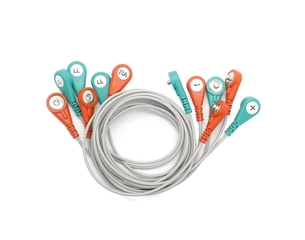
Multi-Lead EEG / ECG / EMG Monitoring Electrode Cable
Reusable shielded biosignal lead wire with Dupont, 4.0mm female snap and ear-clip electrode interfaces for compatible EEG, ECG, EMG and sleep monitoring equipment


Explore tVNS and taVNS devices and electrodes, EEG electrodes and caps, ECG/EMG lead wires, therapy accessories, custom medical cable assemblies, and medical charging docks.
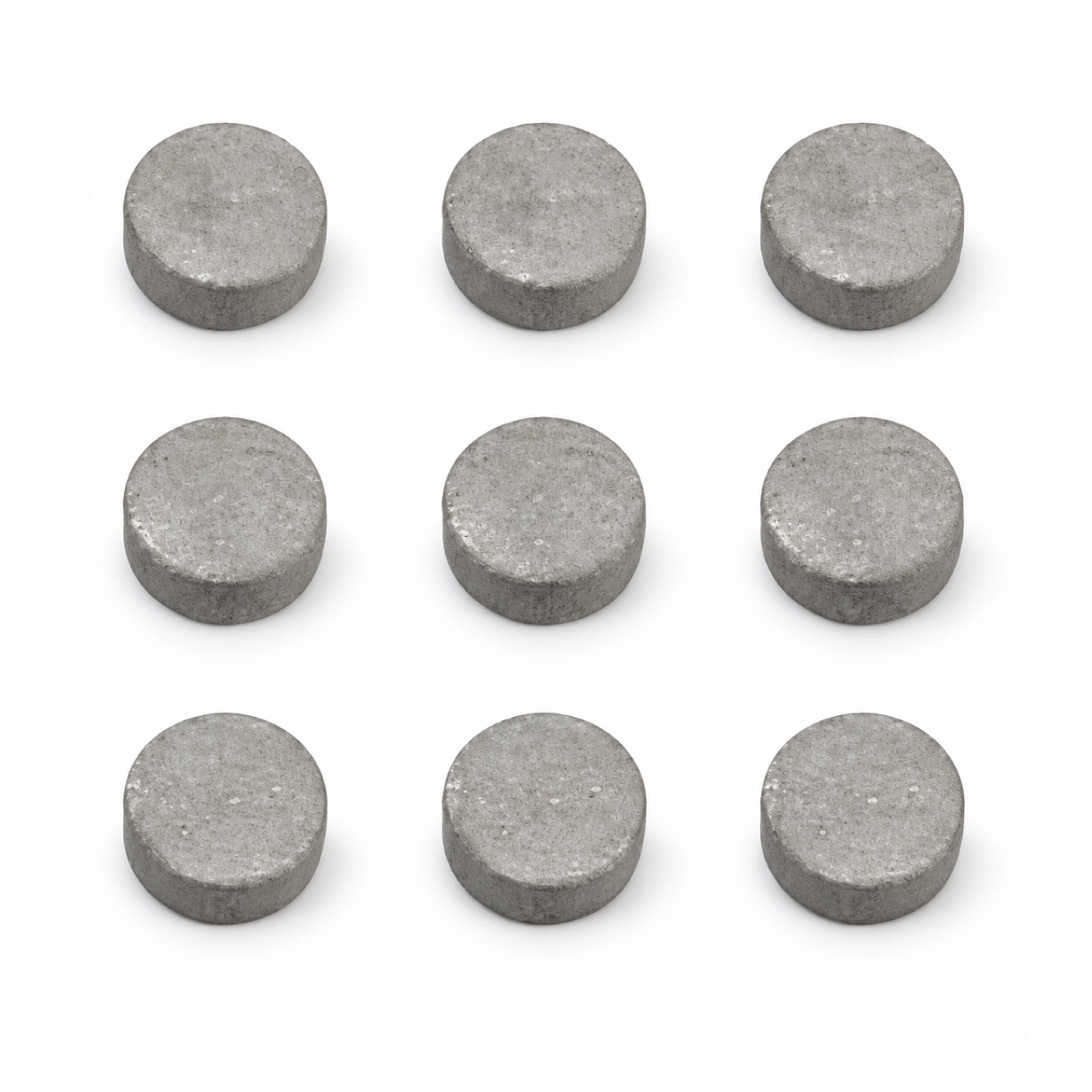
China manufacturer of porous sintered Ag/AgCl electrode components for EEG, ECG and EMG equipment projects, with custom dimensions, termination options and OEM/ODM supply
Heymed Medical manufactures columnar sintered Ag/AgCl electrode components in Dongguan, China, for equipment OEMs and biosignal system developers. The silver/silver chloride electrode uses a porous, powder-sintered structure in a column or rod form, with dimensions defined for the intended assembly.
Buyers can discuss electrode diameter, length, mounting and termination requirements for EEG, ECG or EMG equipment projects. Wire, pin or snap integration and matching lead assemblies are reviewed for each design. Submit a drawing or reference sample for configuration review, sample development and a production quotation.
Solutions & Applications
The columnar sintered electrode is a component for integration into a project-specific electrode assembly. For EEG, ECG and EMG equipment development, review the exposed electrode area, mounting dimensions, contact medium and lead connection alongside the acquisition electronics.
Heymed Medical supports OEM/ODM review of electrode geometry and termination, including matching cable assemblies where required. Samples can be evaluated against agreed mechanical and electrical criteria before production approval. For bulk procurement, provide the approved configuration, quantity and requested delivery date for quotation.
Medical-grade auricular stimulation cable specifications for healthcare and neuromodulation therapy applications.
This columnar silver/silver chloride electrode is manufactured using a powder-sintering process to form a solid, porous Ag/AgCl contact element. Its compact cylindrical geometry is intended for integration into compatible biomedical sensing assemblies, including EEG, ECG, EMG and other biopotential acquisition systems.
Unlike a conventional metal electrode with a surface-applied coating, a sintered Ag/AgCl element uses a consolidated contact body made from silver/silver chloride material. This distinction is relevant when an equipment developer needs to specify the electrode's material construction, exposed contact area, dimensions and connection method.
Heymed Medical supports project-specific electrode dimensions and termination requirements. The sintered element can be reviewed together with its mounting structure, lead wire or connector so that the completed sensor assembly matches the customer's equipment design.
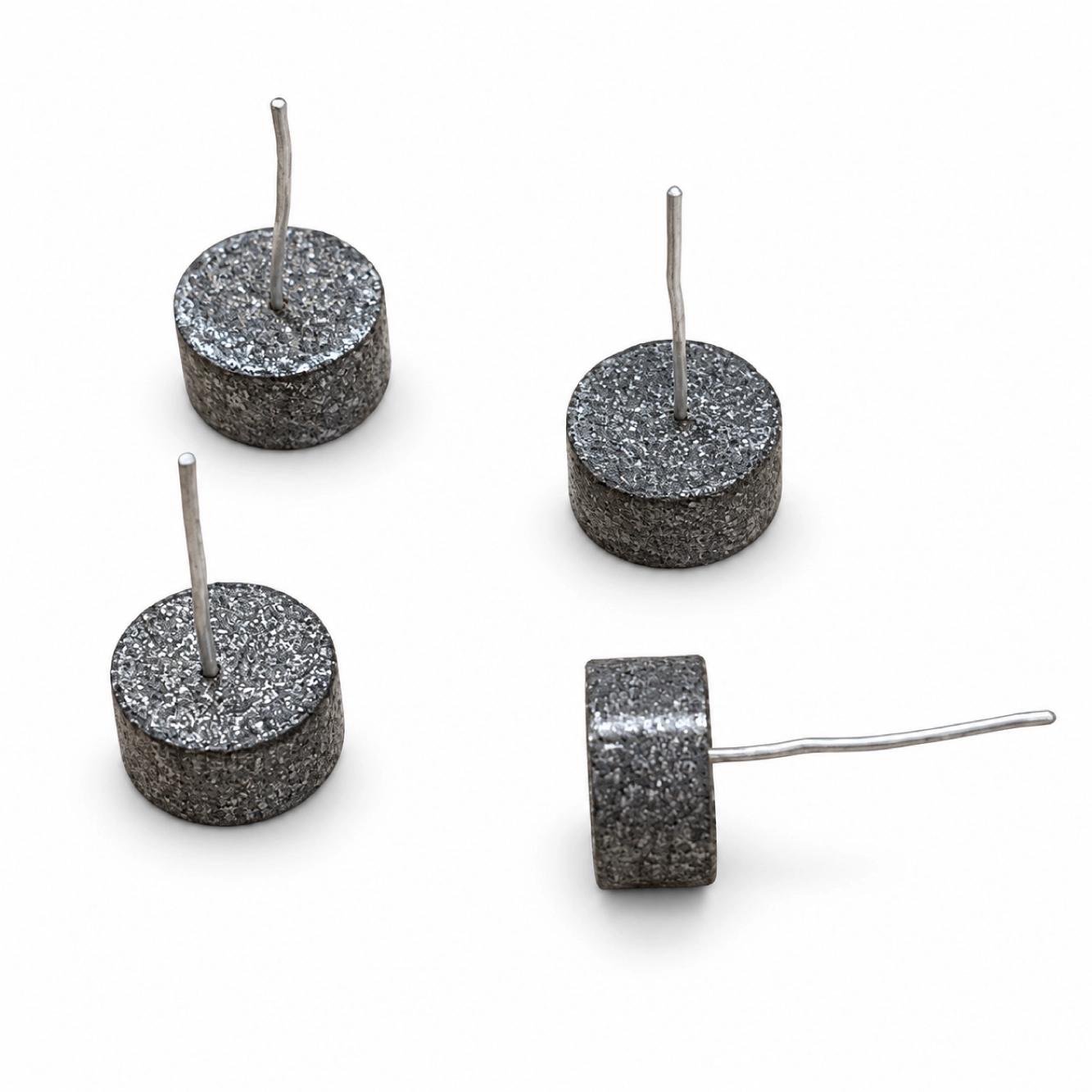
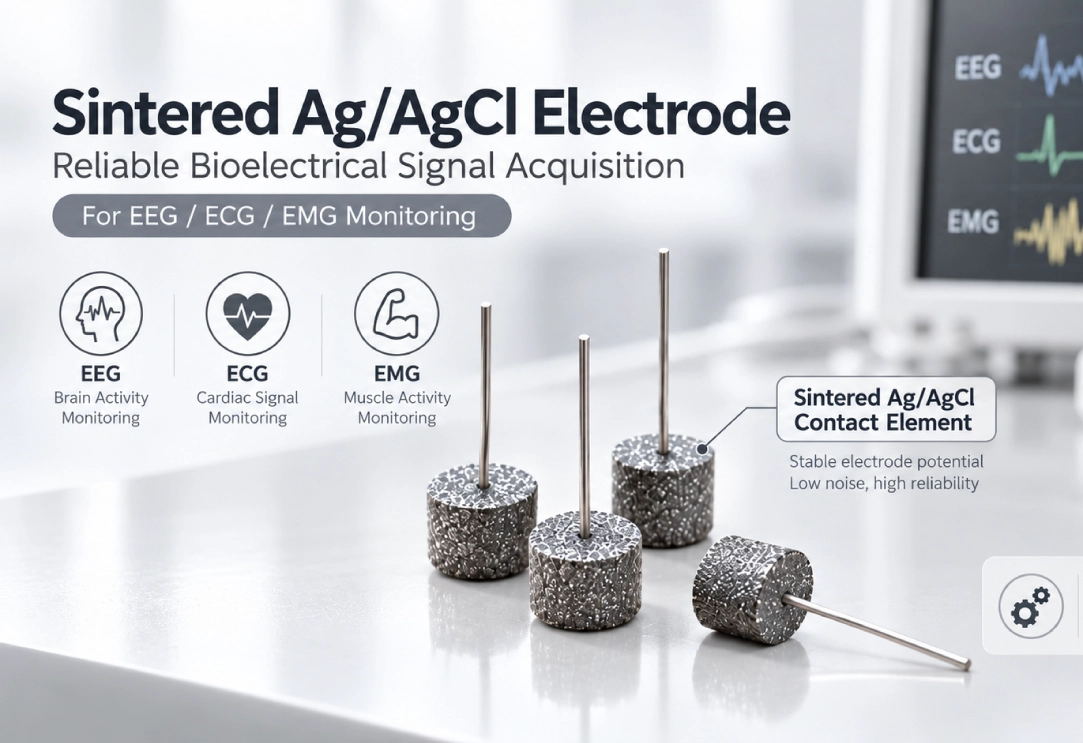
Reference columnar sintered Ag/AgCl electrode elements with wire terminations. Dimensions and final terminal construction depend on the approved configuration.
The manufacturing method is one of the defining characteristics of this electrode. Silver and silver chloride materials are processed into a consolidated porous structure rather than relying solely on a thin conductive layer applied to a finished metal component.
The resulting contact element has a different material architecture from plated electrodes, solid-metal contacts and multi-prong dry EEG electrodes. This makes sintered Ag/AgCl worth evaluating when the host system has specific requirements for electrochemical contact behavior.
Sintering conditions, composition, porosity and exposed surface area can influence electrode characteristics. Actual polarization behavior, impedance and potential stability must be established under the intended measurement conditions rather than assumed from the material designation alone.
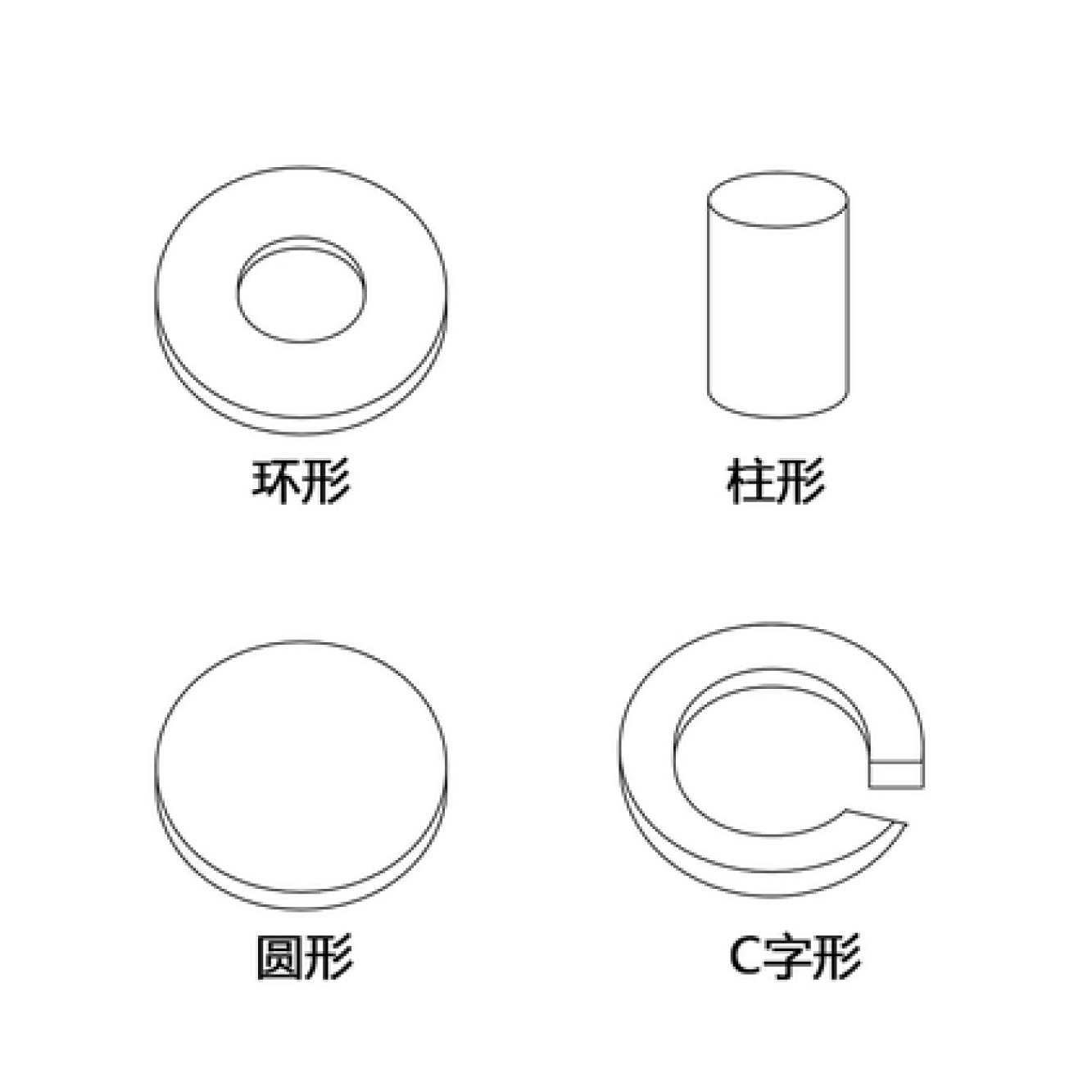
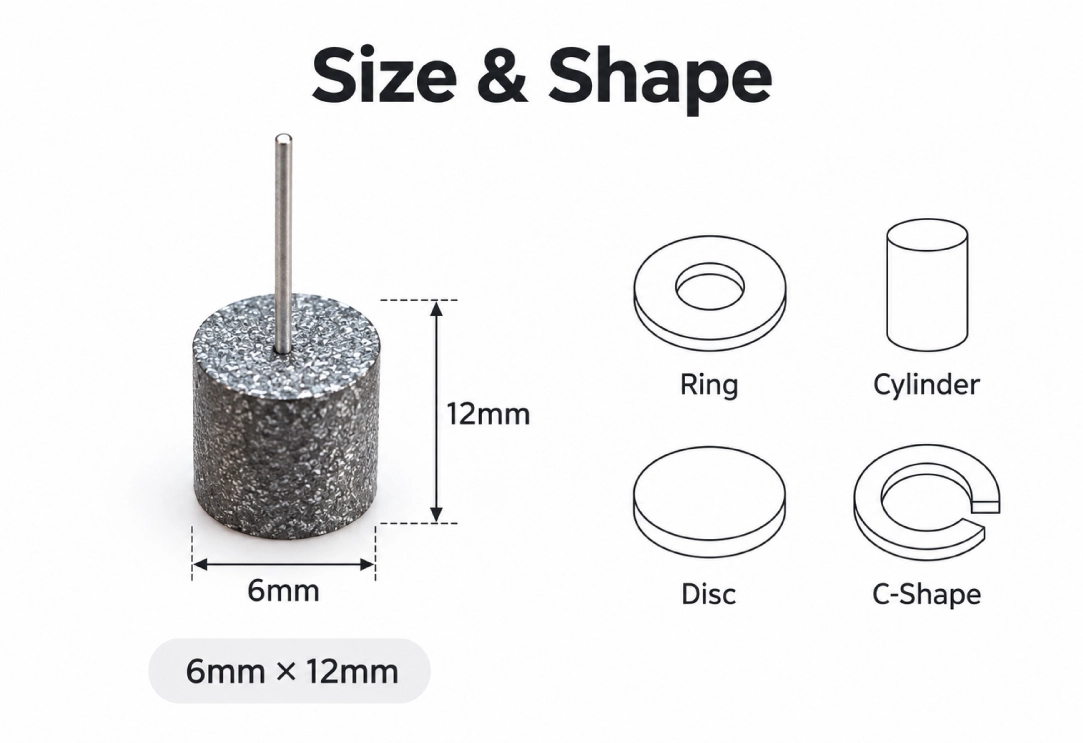
A columnar electrode element can be incorporated into a holder, sensor enclosure or other mechanical assembly where a small, defined contact component is required. The electrode diameter and length can be selected around the available mounting space, exposed contact area and connection design.
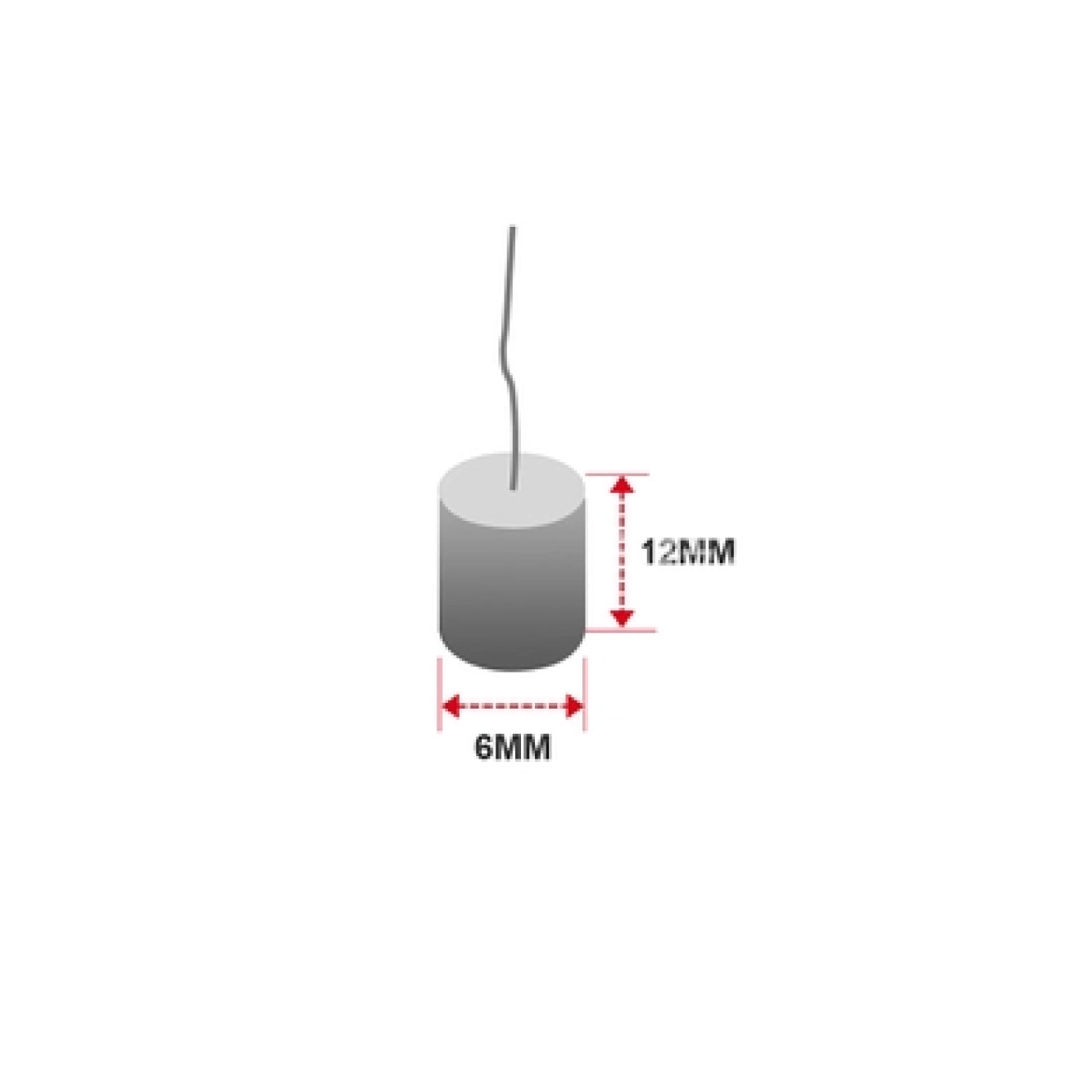
Customizable diameter examples from the reference product include Ø2.0mm, Ø2.5mm and Ø3.0mm, with 10mm and 20mm lengths also listed as possible configurations. These are dimensional options, not guaranteed stock sizes or fixed specifications for every production version.
When developing a new sensor, the mounting method is just as important as the electrode dimensions. The design should account for contact exposure, mechanical support, wire attachment, insulation and the surrounding material interface.
The reference product photograph shows cylindrical sintered contacts with thin metal wire connections. This termination style can be useful when an electrode needs to be incorporated into a custom sensor module or joined to an external lead wire.
Depending on the project, pin-style and snap-style connection concepts may also be considered. The terminal geometry, electrical joining method and support structure must be engineered for the selected electrode configuration; these alternatives should not be treated as interchangeable without verification.
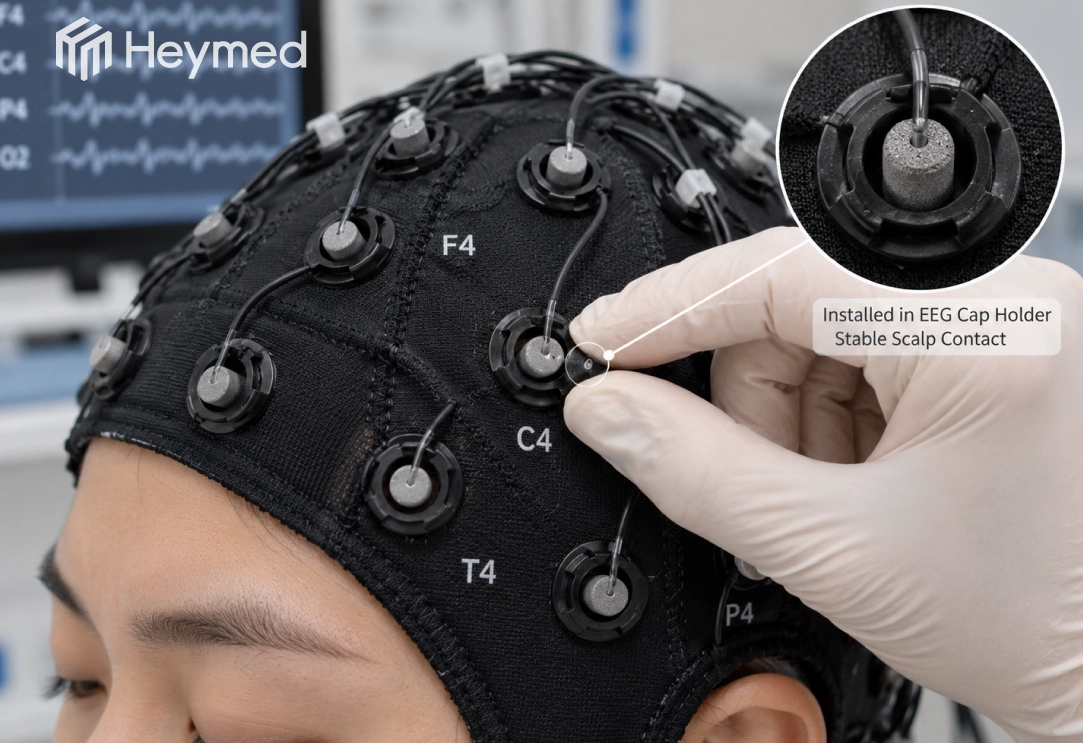
For EEG headsets or cap-based systems, the connection method should be selected together with the electrode holder and amplifier interface. Equipment developers considering a different scalp-electrode architecture may also review our 32-Channel EEG Electrode Cap with 10–20 Electrode Positioning as a separate system-level design reference.
Columnar Ag/AgCl elements can be considered for biomedical acquisition systems where a small electrochemical contact needs to be integrated into a larger sensor assembly. Potential development areas include EEG sensing modules, ECG electrode accessories, EMG acquisition hardware and wearable biosignal devices.
Their suitability depends on how the contact element is mounted and how it interfaces with the measurement environment. For example, a rod-shaped sintered element used inside a sensor holder has different mechanical requirements from a skin-facing cup electrode or a comb electrode intended to pass through hair.
The finished system must define whether dry contact, an electrolyte-assisted interface or another validated contact method is required. Material choice alone does not determine the necessary preparation method.
Other EEG electrode geometries, recording accessories and lead-wire structures can be explored in our EEG & EMG Electrodes & Cables product range.
Electrode material: Silver/silver chloride (Ag/AgCl) powder-sintered contact element.
Contact geometry: Cylindrical or columnar structure, with project-specific dimensional requirements.
Diameter options: Examples include Ø2.0mm, Ø2.5mm and Ø3.0mm, subject to drawing and manufacturing confirmation.
Length options: Examples include 10mm and 20mm, with other lengths reviewed according to the application.
Terminal structure: Wire termination shown in the reference configuration; alternative pin or snap integration can be evaluated.
System integration: Sensor holders, electrode mounting, connection wires and equipment-specific interfaces.
Packaging: Bulk or project-specific packaging, labeling and identification.
Compliance requirements: Material verification, intended contact conditions and applicable product testing defined by the finished-device requirements.
For an equipment manufacturer, nominal dimensions are only the beginning. The material specification, contact surface, termination method and intended measurement environment should be considered together.
During sample evaluation, relevant checks may include dimensional consistency, electrical continuity, connection integrity and the electrochemical characteristics required by the host system. If the electrode will contact skin or another biological environment, the applicable material safety and use-condition requirements must also be established.
Cleaning, reuse, sterilization and storage conditions should be defined for the specific finished assembly. These procedures should not be selected solely from the fact that the contact element contains Ag/AgCl.
Custom development can begin with an electrode drawing, existing sintered element, sensor housing concept or electrical interface specification. Heymed Medical can review the required electrode geometry, material construction and connection approach before a sample configuration is approved.
Where a project also requires lead-wire integration, connector development or sensor assembly support, our Medical Cable OEM/ODM Customization service provides an additional engineering route for developing the complete connection system.
For quotation and sample evaluation, please provide the desired diameter and length, electrode contact requirements, termination method, intended application, required testing or documentation and estimated order quantity.
The approved drawing, material specification and sample form the production reference. Performance and regulatory claims for a completed medical device must be supported by the applicable verification and approval process.
We provide OEM and ODM medical cable assembly services for neuromodulation therapy device manufacturers and healthcare brands worldwide.
Reusable shielded biosignal lead wire with Dupont, 4.0mm female snap and ear-clip electrode interfaces for compatible EEG, ECG, EMG and sleep monitoring equipment
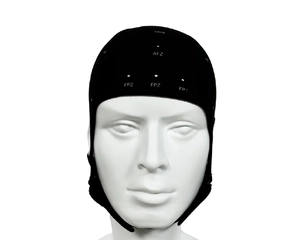
32-channel EEG electrode cap based on the International 10–20 positioning system, with configurable electrode materials, cap sizes and device interfaces for EEG acquisition projects.
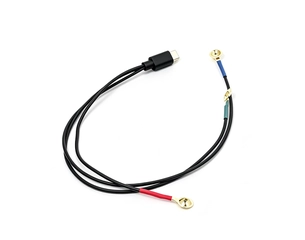
Reusable gold-plated cup electrode lead wire for EEG, ECG, EMG and PSG biosignal acquisition | Custom Type-C pinout, lead length and OEM/ODM available
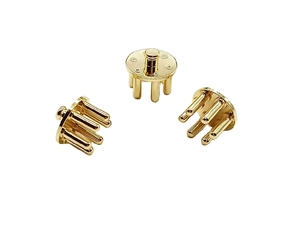
Compact multi-pin connector for EEG caps, headsets and biosignal acquisition equipment | Custom pin layout, dimensions and mounting structure available
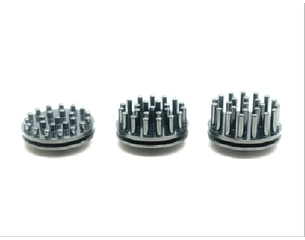
China manufacturer of 24-pin comb dry EEG electrodes for equipment OEMs, with a 3.9mm male snap and customization of pin layout, surface finish and matching lead assemblies
Resolve your concerns in advance — stress-free communication, efficient coordination
Yes. Heymed Medical manufactures silver/silver chloride electrode components in Dongguan, China. The reference product uses a porous powder-sintered structure in a column or rod form, with geometry and connection requirements reviewed for the intended equipment.
This product is specified as a powder-sintered electrode with a porous structure. A coated electrode uses an Ag/AgCl surface layer on a substrate. These are different constructions, so dimensions, mounting, contact conditions and acceptance tests should be reviewed before substitution.
Electrode diameter, length and shape can be reviewed against your drawing. Wire, pin or snap integration and matching lead assemblies are project options. Specify the required mating interface and mounting geometry; no fixed snap diameter or connector type is assumed for every version.
Contact Heymed Medical with the drawing or reference sample, intended application and evaluation quantity. Sample availability, charges, minimum order quantity and production lead time are confirmed for the configuration. Evaluate fit and electrical performance under the agreed contact and test conditions before approving volume supply.
Provide diameter and length with tolerances, mounting details, termination requirements, intended contact medium and test criteria. Include any matching lead assembly, packaging requirements, sample quantity, expected production volume and delivery date so Heymed Medical can assess the supply scope and prepare a quotation.

Heymed Medical develops and manufactures OEM/ODM medical and wellness products for patient monitoring, EEG and brain monitoring, tVNS/taVNS neuromodulation, physiotherapy and rehabilitation, diagnostic equipment, and medical docking and charging applications.
Our portfolio includes tVNS/taVNS devices, auricular and ear clip electrodes, dry and wet EEG electrodes, EEG caps, ECG/EMG lead wires and electrodes, TENS/EMS lead wires and accessories, custom medical cable assemblies, Pogo Pin connectors, and charging docks.
Work with Heymed Medical on OEM/ODM development and controlled manufacturing for tVNS and taVNS products, EEG electrodes, medical lead wires, custom cable assemblies, and medical docking and charging products—from engineering samples and validation to volume production.
Tell our engineering team about your product application, device interface, performance targets, compliance needs, and expected quantity. We will review your information and contact you to discuss technical feasibility, customization options, and recommended next steps.
Tip: A drawing, device interface photo, pinout diagram, or reference sample can help our engineering team evaluate your project more accurately and efficiently.