 Search











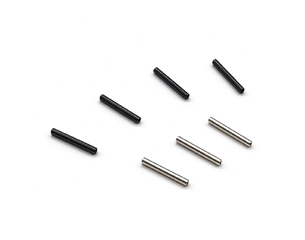
Tubular Ag/AgCl EEG Electrode for OEM Assemblies
Silver tube electrode with a silver chloride surface treatment for EEG signal acquisition assemblies, with OEM dimensional review, matching lead options and bulk supply from Heymed Medical


Explore tVNS and taVNS devices and electrodes, EEG electrodes and caps, ECG/EMG lead wires, therapy accessories, custom medical cable assemblies, and medical charging docks.
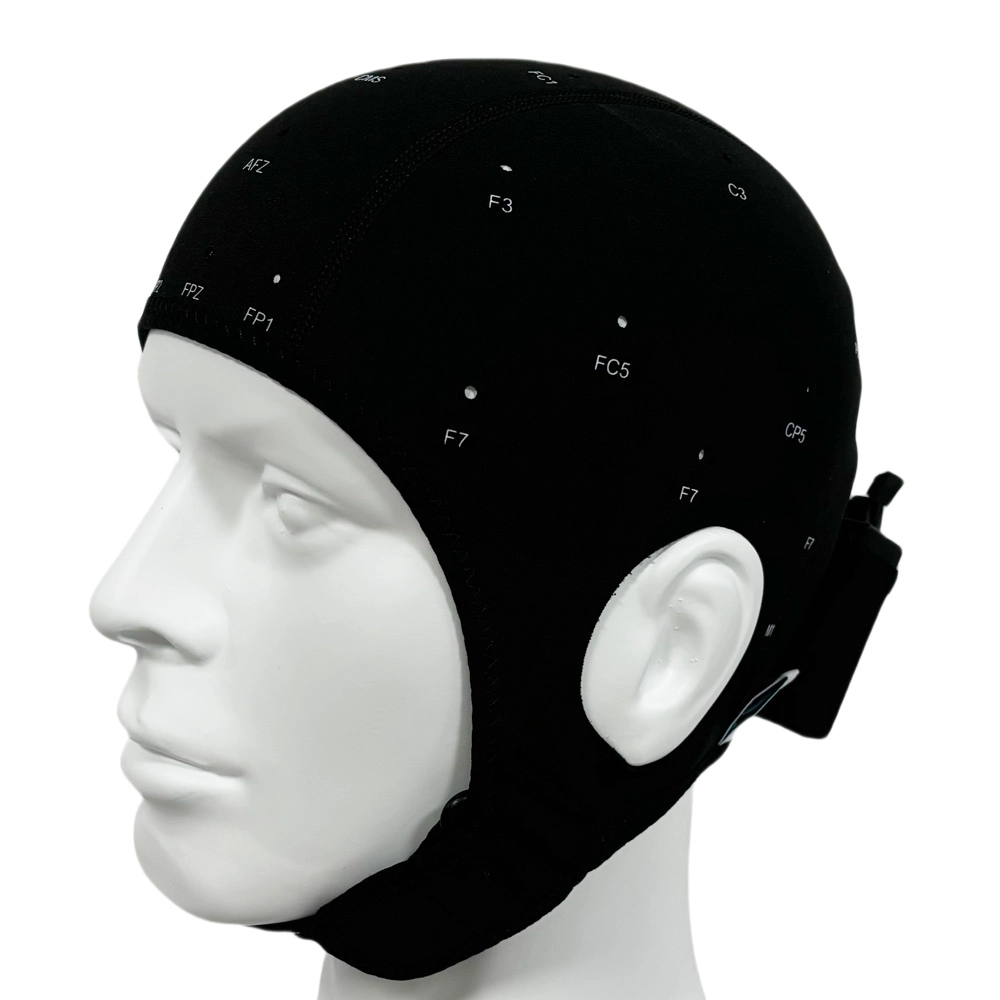
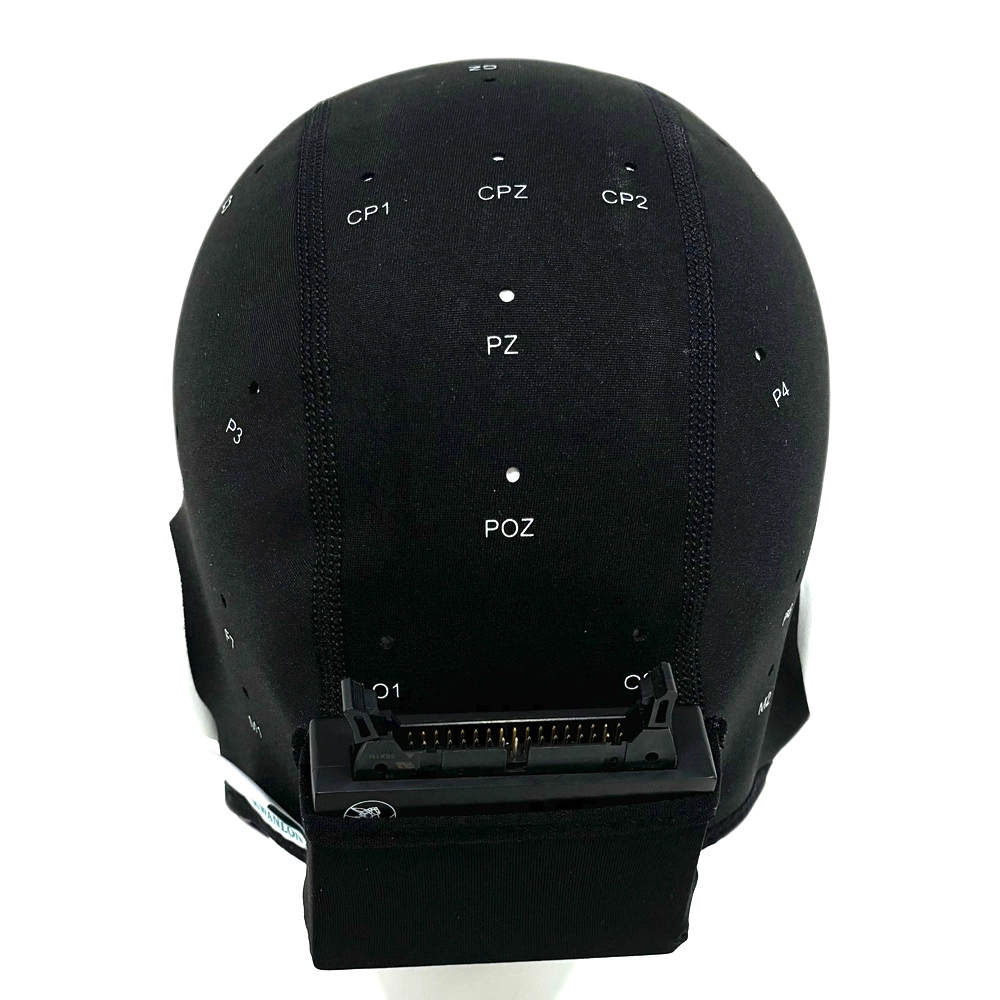
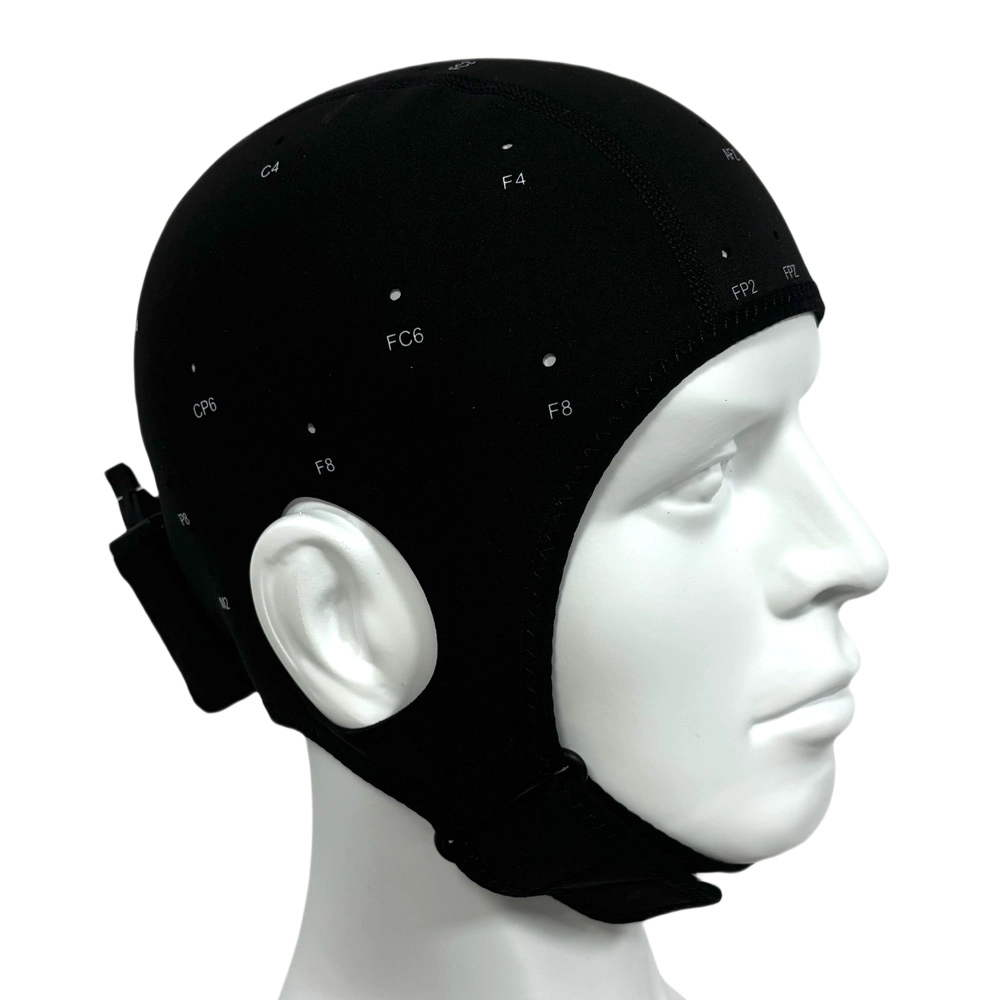
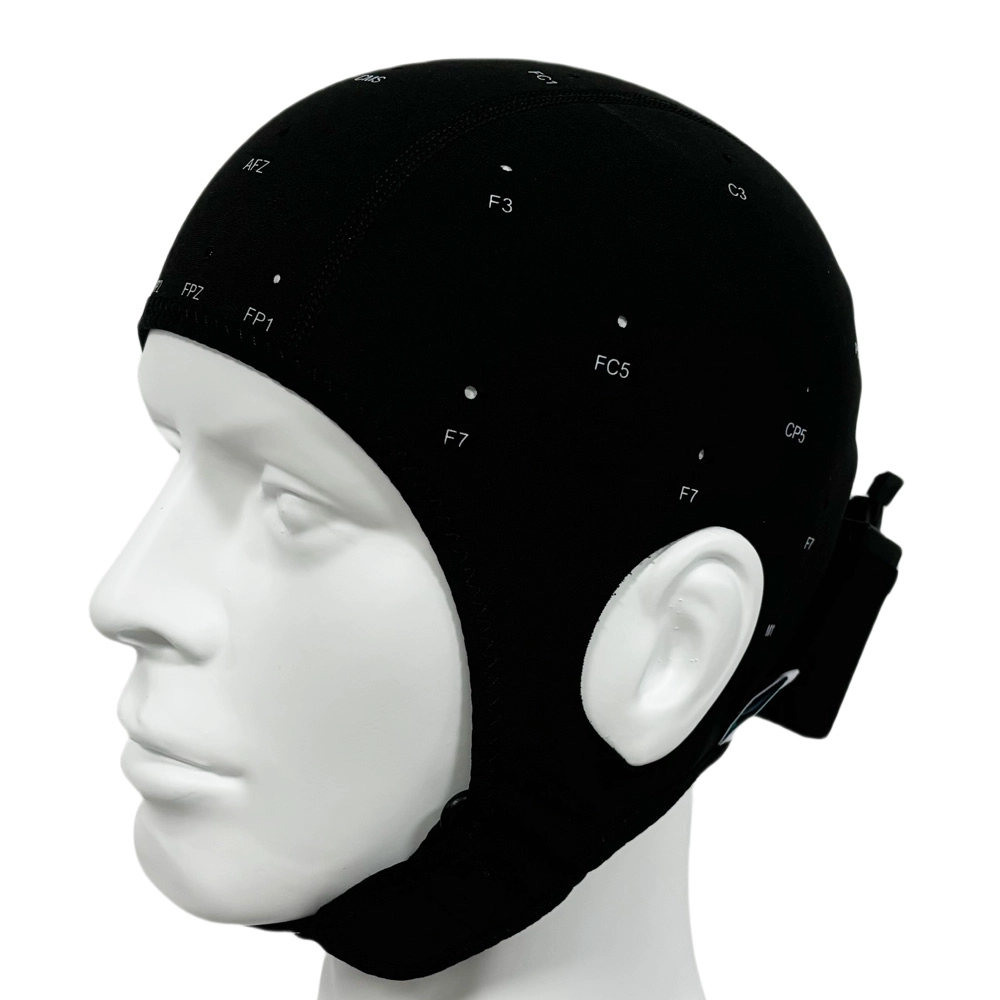
32-channel EEG electrode cap based on the International 10–20 positioning system, with configurable electrode materials, cap sizes and device interfaces for EEG acquisition projects.
The Heymed Medical 32-Channel EEG Electrode Cap is designed for compatible EEG acquisition, neuroscience research and biosignal monitoring systems, with electrode positioning based on the International 10–20 system.
The cap uses high-elastic breathable fabric and can be configured with Ag/AgCl or project-specific electrode materials, with S, M, L and customized cap sizes available.
Heymed Medical supports customization of the electrode layout, cap size, electrode material, connector interface, cable configuration, labeling and packaging for OEM/ODM EEG equipment projects.
Solutions & Applications
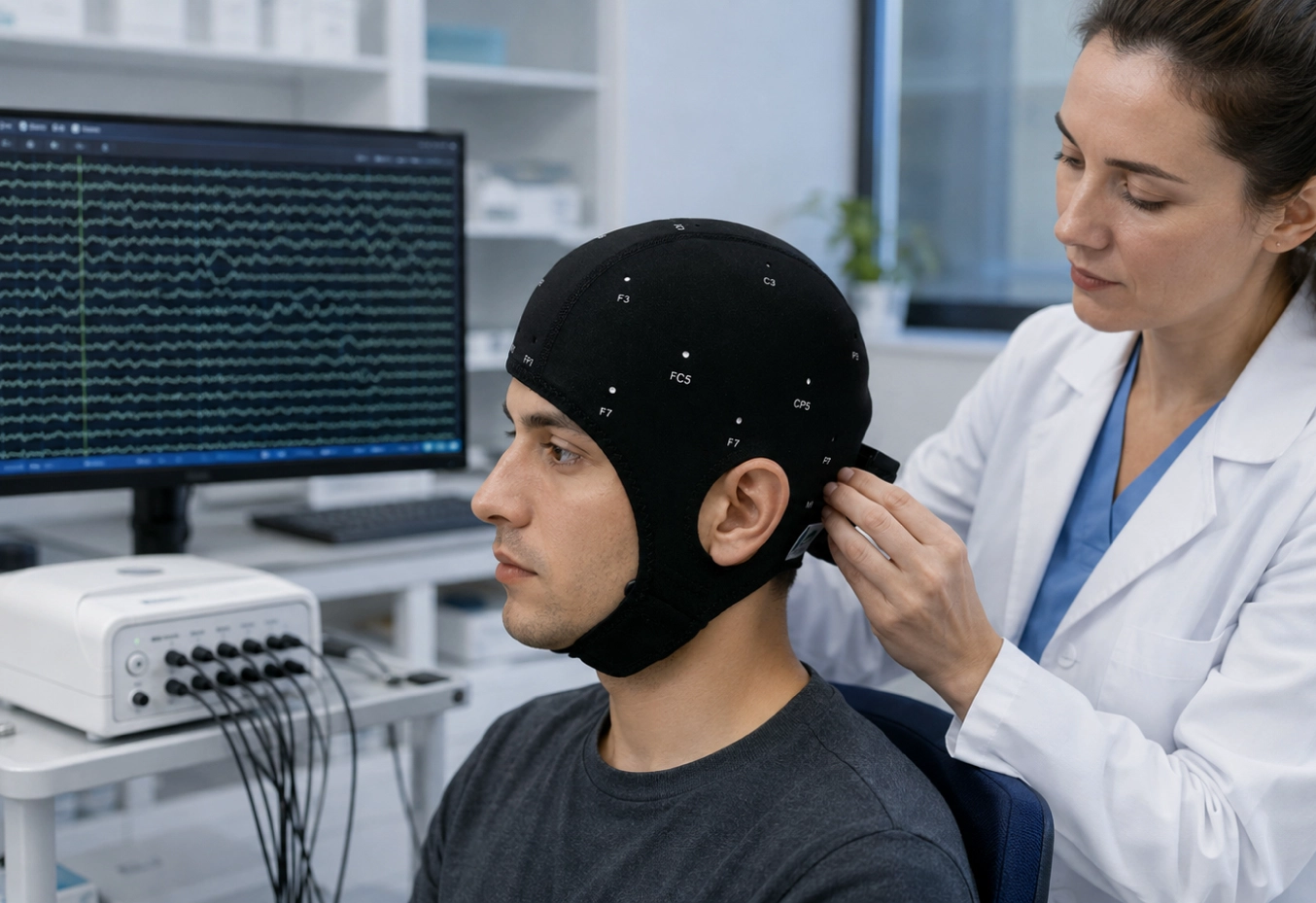
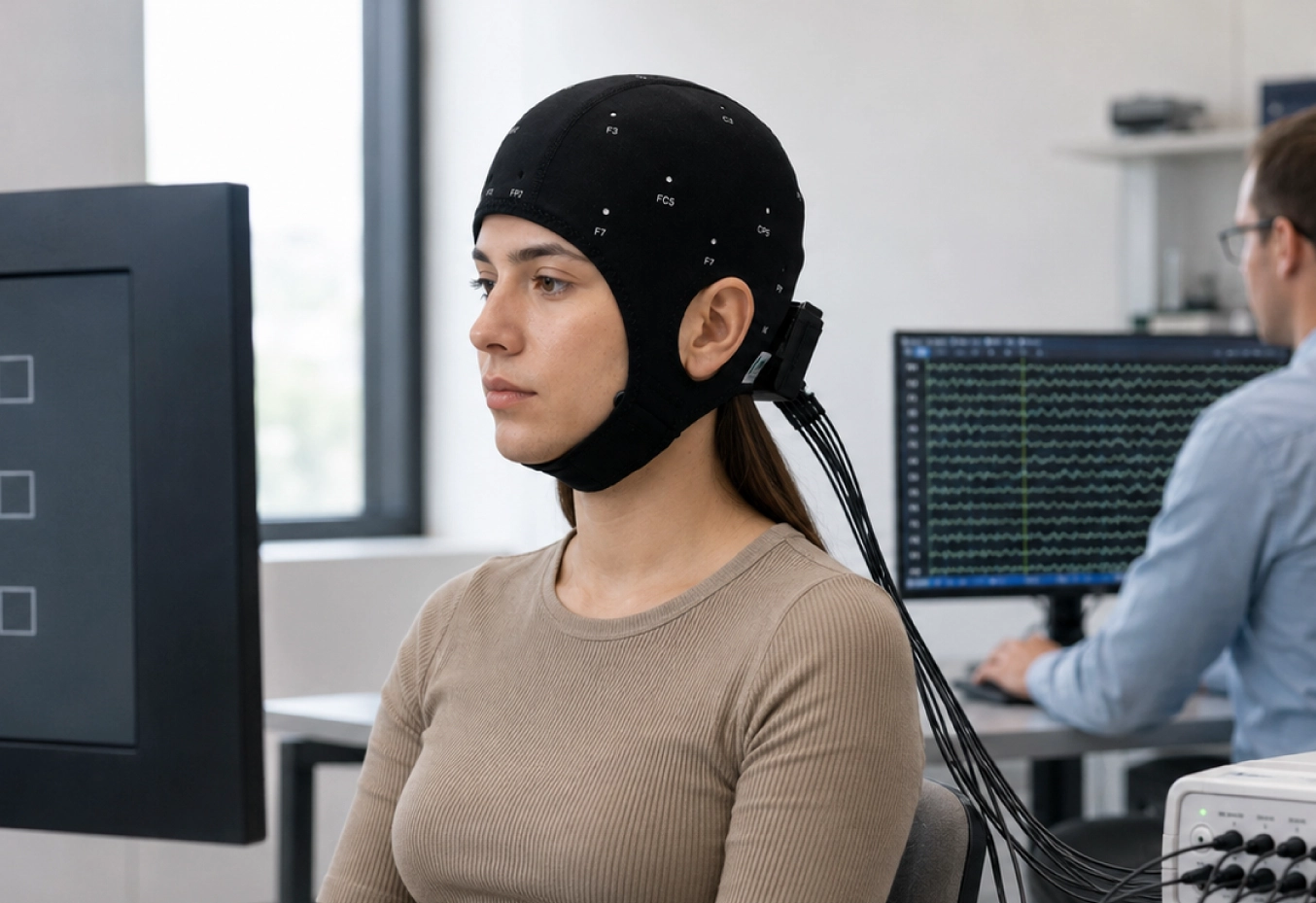
The 32-Channel EEG Electrode Cap provides an organized electrode platform for compatible EEG acquisition systems, neuroscience research equipment and biosignal monitoring devices. Electrode positions can be configured using a project-defined layout based on the International 10–20 electrode positioning system.
For OEM/ODM projects, electrode material, channel layout, cap size, connector interface, cable routing and electrode configuration can be developed according to the customer's EEG hardware. Different cap sizes can also be prepared to support different head circumferences and equipment designs.
Heymed Medical supports EEG interface review, electrode layout confirmation, prototype development, cable integration, continuity testing and volume manufacturing. Customers can provide amplifier interface information, connector specifications, electrode layout requirements or reference samples for engineering evaluation.
Medical-grade auricular stimulation cable specifications for healthcare and neuromodulation therapy applications.
This 32-channel EEG cap provides a structured platform for repeatable scalp electrode positioning in compatible EEG and biosignal acquisition systems. Electrode locations are arranged based on the internationally recognized 10–20 electrode placement method, helping researchers and equipment developers organize electrode positions more consistently across repeated setups.
The flexible fabric cap is designed to fit around the head while providing predefined electrode locations for multi-channel EEG projects. Cap size, electrode type, channel mapping, lead-wire configuration and equipment-side connector can be developed according to the customer's acquisition system rather than being limited to one fixed amplifier interface.
In multi-channel EEG projects, repeatable electrode placement is an important part of the overall acquisition setup. Instead of manually estimating individual scalp positions for every session, a pre-positioned EEG cap provides defined locations that help simplify electrode arrangement and channel identification.
The International 10–20 system uses proportional measurements between anatomical landmarks to define standardized scalp locations. This cap uses that positioning concept as the basis for organizing its electrode locations while allowing the final channel configuration to be adapted to the customer's equipment requirements.
Actual recording quality is influenced by the complete EEG system, including electrode type, scalp preparation, contact impedance, reference and ground configuration, amplifier characteristics, cable shielding and the surrounding electrical environment. The cap should therefore be evaluated together with the intended acquisition hardware.
A 32-channel EEG cap is not automatically compatible with every EEG amplifier or acquisition platform. The equipment-side connector, pin assignment, reference and ground channels, electrode numbering and channel mapping must match the electrical definition of the target system.
Heymed Medical can review amplifier interface information, pinout diagrams, channel tables, cable drawings or existing reference samples before prototype development. This allows the cap, electrode leads and connector assembly to be developed around the actual acquisition architecture rather than relying on an assumed connector standard.
For projects requiring additional biosignal interconnect components, our EEG & EMG Electrodes & Cables range includes electrode cables, reusable electrodes and customized connection assemblies for related equipment development.
Cap configuration: head-size range, fabric structure and electrode-position layout according to the intended application.
Channel mapping: electrode labels, reference and ground arrangement, and channel sequence matched to the target acquisition hardware.
Electrode interface: electrode material and mounting structure selected according to the required acquisition method.
Device connector: connector type, contact quantity, pinout and mating structure confirmed according to the customer's EEG equipment.
Lead-wire architecture: cable length, routing, labeling, shielding and breakout structure developed around the complete cap assembly.
Prototype verification: dimensions, channel continuity, connector mapping and mechanical assembly can be checked against the approved project definition before volume production.
Different EEG projects may require different electrode structures. Depending on the target acquisition method, the cap can be evaluated with compatible reusable electrode configurations and customized cable assemblies. Electrode selection should be based on the electrical, mechanical and preparation requirements of the complete EEG system.
The equipment-side interface can also be developed according to the customer's hardware. Rather than describing the cap as universally compatible with third-party systems, compatibility is confirmed from the actual connector dimensions, pin definition and channel mapping supplied for the project.
This approach is suitable for EEG equipment manufacturers, neuroscience instrumentation developers, research-hardware companies and OEM/ODM projects requiring a customized cap-to-amplifier connection.
EEG cap development can begin from a channel-layout requirement, amplifier interface definition, connector drawing, pinout table or existing system sample. Heymed Medical can review these inputs together with the required cap size, electrode structure and lead-wire arrangement before preparing an engineering sample.
During prototype development, the cap structure, electrode locations, channel sequence, cable routing and connector mapping can be checked against the approved configuration. This provides a clearer transition from an experimental or engineering setup to a repeatable OEM production assembly.
For projects that also require customized electrodes or acquisition cables, the EEG cap can be developed together with the required biosignal interconnect components as one system-level connection solution.
EEG cap projects may also require customized electrodes, lead wires and acquisition-device interfaces. The following products provide additional connection options for related system development.
Type-C to 10.0mm Gold-Plated EEG/ECG Cup Electrode Cable →
A reusable multi-lead biosignal cable using 10.0mm gold-plated cup electrodes and a customizable Type-C device interface.
Multi-Lead EEG / ECG / EMG Monitoring Electrode Cable →
A configurable biosignal lead-wire assembly using multiple electrode interfaces for compatible EEG, ECG and EMG acquisition equipment.
We provide OEM and ODM medical cable assembly services for neuromodulation therapy device manufacturers and healthcare brands worldwide.
Silver tube electrode with a silver chloride surface treatment for EEG signal acquisition assemblies, with OEM dimensional review, matching lead options and bulk supply from Heymed Medical
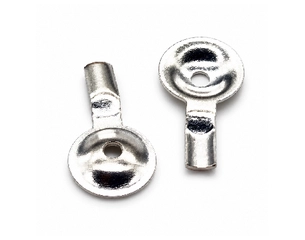
Silver disc electrode component with a concave contact face, central opening and lead attachment tab for EEG cap and lead-wire assembly projects, with OEM configuration review from Heymed Medical
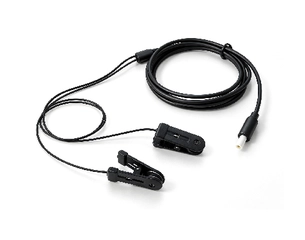
Black Ag/AgCl ear clip electrode with a DC 2.35mm safety male plug, developed for device-specific EEG reference connections and custom biosignal acquisition systems.
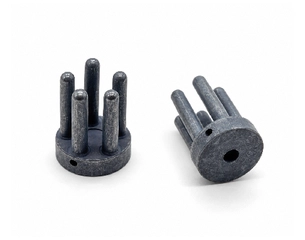
Five-prong dry EEG electrode with an ABS body and Ag/AgCl surface treatment for EEG cap and headset integration, with OEM configuration review and bulk supply from Heymed Medical
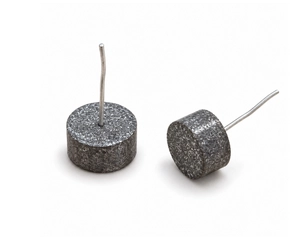
China manufacturer of porous sintered Ag/AgCl electrode components for EEG, ECG and EMG equipment projects, with custom dimensions, termination options and OEM/ODM supply
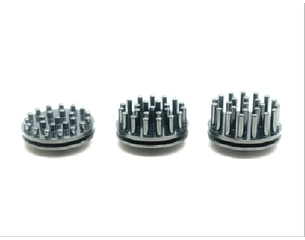
China manufacturer of 24-pin comb dry EEG electrodes for equipment OEMs, with a 3.9mm male snap and customization of pin layout, surface finish and matching lead assemblies
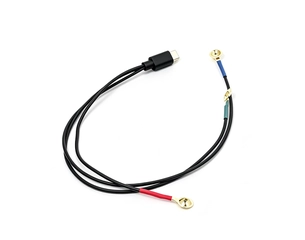
Reusable gold-plated cup electrode lead wire for EEG, ECG, EMG and PSG biosignal acquisition | Custom Type-C pinout, lead length and OEM/ODM available
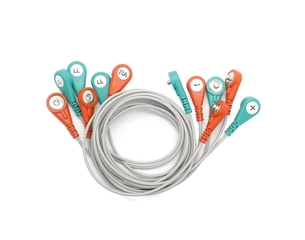
Reusable shielded biosignal lead wire with Dupont, 4.0mm female snap and ear-clip electrode interfaces for compatible EEG, ECG, EMG and sleep monitoring equipment
Resolve your concerns in advance — stress-free communication, efficient coordination
A 32-channel EEG electrode cap is a multi-electrode platform designed to position multiple EEG electrodes around the scalp for connection to a compatible EEG acquisition system.
The electrode layout is designed based on the International 10–20 electrode positioning system. The exact 32-channel position configuration should be confirmed according to the customer's EEG system and project requirements.
Ag/AgCl electrodes are available for the standard project configuration, while other electrode materials can be evaluated according to the customer's EEG acquisition requirements.
S, M and L cap sizes are available, and customized sizes can also be developed according to the required head circumference and project specifications.
Compatibility is device-specific. The amplifier connector, channel definition, pin assignment and electrical interface should be confirmed before the EEG cap is matched to a particular acquisition system.
Yes. Electrode positions, channel layout, reference or ground configuration, connector interface and cable routing can be developed according to the customer's EEG hardware and approved layout.
Yes. Customers can provide EEG amplifier interface information, connector specifications, electrode layout requirements, drawings or reference samples for engineering evaluation and prototype development.

Heymed Medical develops and manufactures OEM/ODM medical and wellness products for patient monitoring, EEG and brain monitoring, tVNS/taVNS neuromodulation, physiotherapy and rehabilitation, diagnostic equipment, and medical docking and charging applications.
Our portfolio includes tVNS/taVNS devices, auricular and ear clip electrodes, dry and wet EEG electrodes, EEG caps, ECG/EMG lead wires and electrodes, TENS/EMS lead wires and accessories, custom medical cable assemblies, Pogo Pin connectors, and charging docks.
Work with Heymed Medical on OEM/ODM development and controlled manufacturing for tVNS and taVNS products, EEG electrodes, medical lead wires, custom cable assemblies, and medical docking and charging products—from engineering samples and validation to volume production.
Tell our engineering team about your product application, device interface, performance targets, compliance needs, and expected quantity. We will review your information and contact you to discuss technical feasibility, customization options, and recommended next steps.
Tip: A drawing, device interface photo, pinout diagram, or reference sample can help our engineering team evaluate your project more accurately and efficiently.