 Search









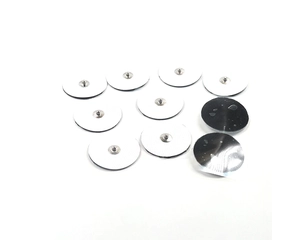
Pre-Gelled 3.5mm Snap Electrode Pads for TENS & EMS
Reusable self-adhesive electrode pads with a 3.5mm snap interface for compatible TENS, EMS and electrical stimulation equipment | OEM/ODM customization available


Explore tVNS and taVNS devices and electrodes, EEG electrodes and caps, ECG/EMG lead wires, therapy accessories, custom medical cable assemblies, and medical charging docks.
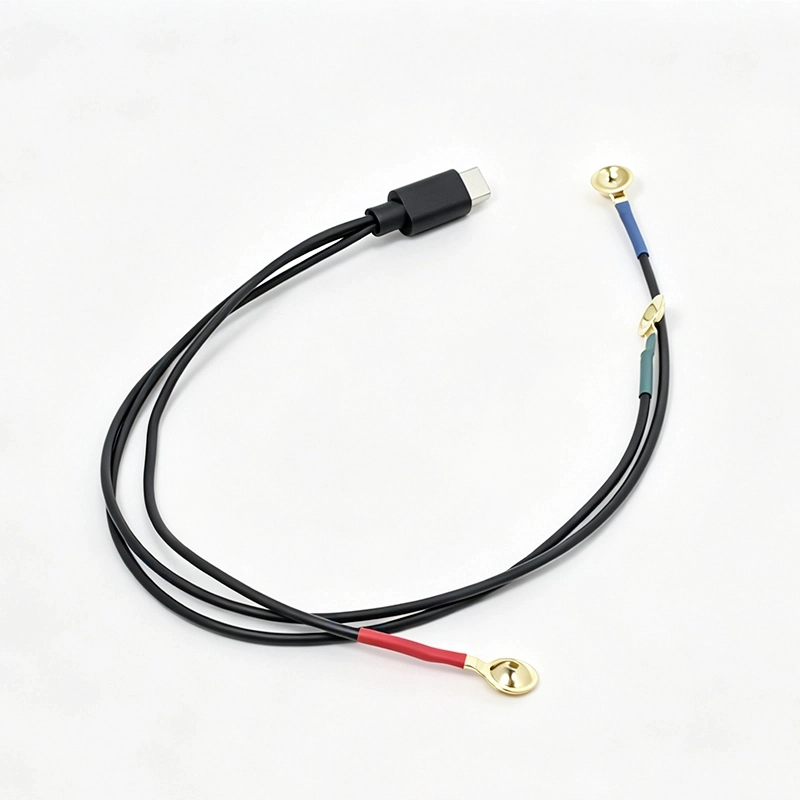
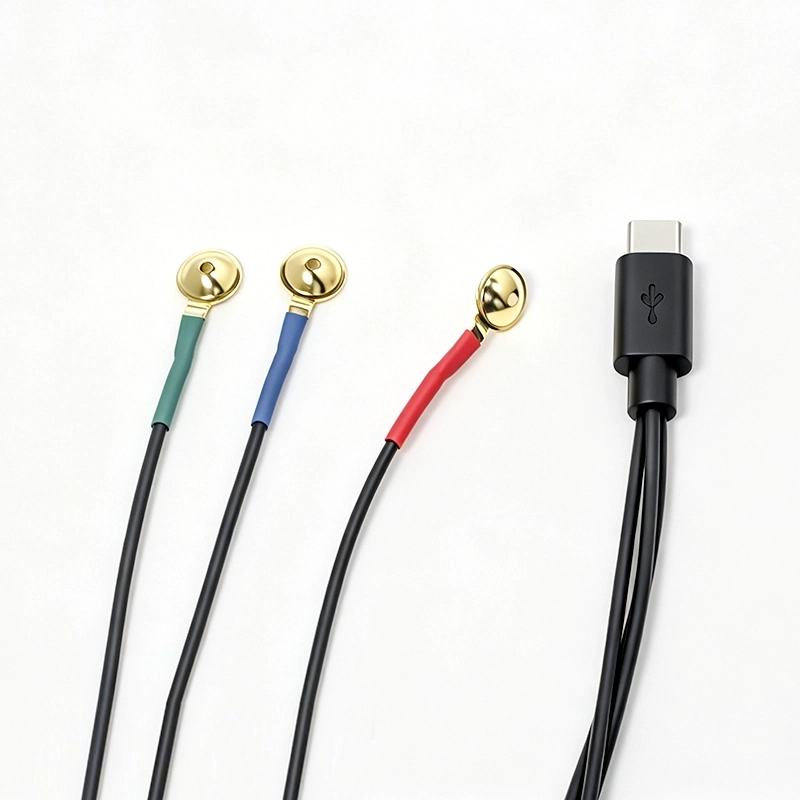
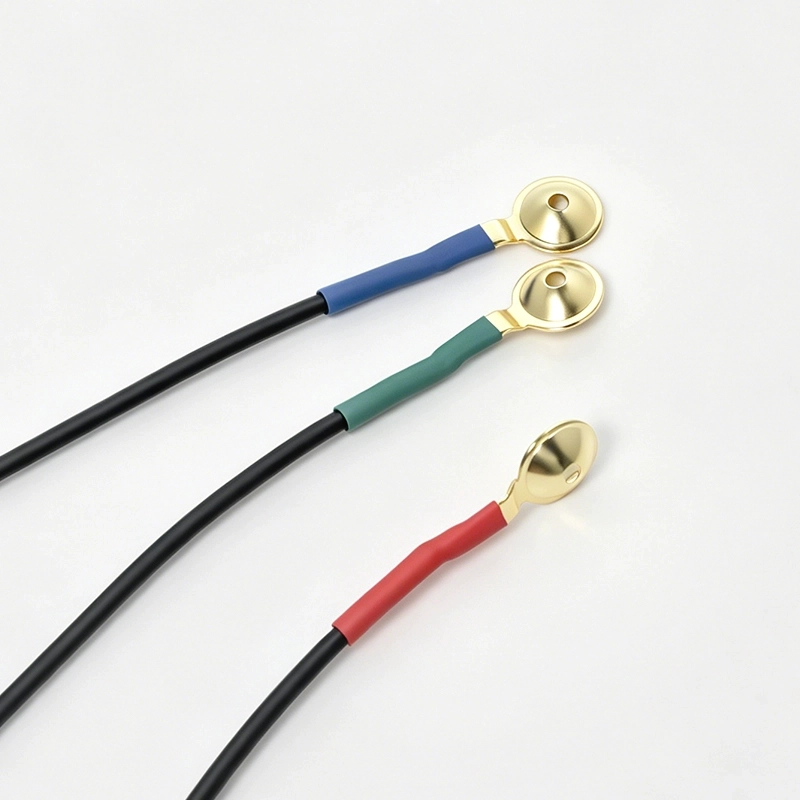
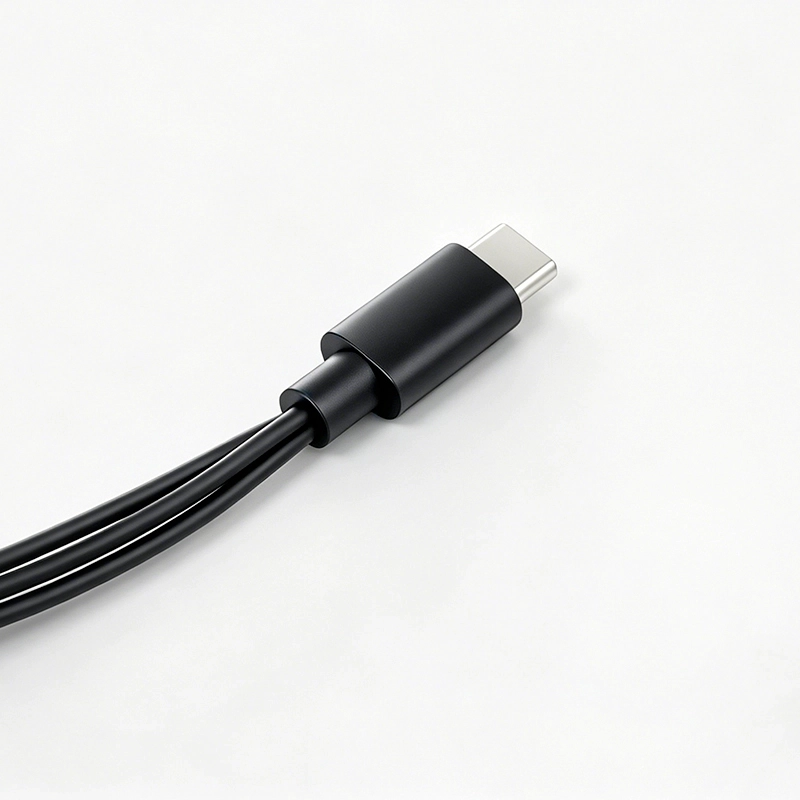
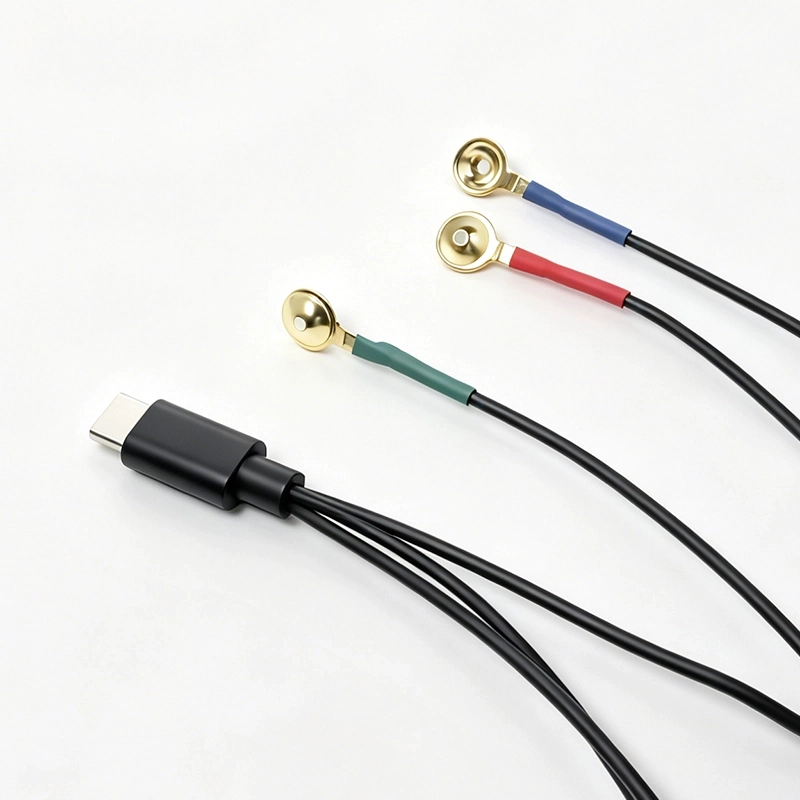
Reusable gold-plated cup electrode lead wire for EEG, ECG, EMG and PSG biosignal acquisition | Custom Type-C pinout, lead length and OEM/ODM available
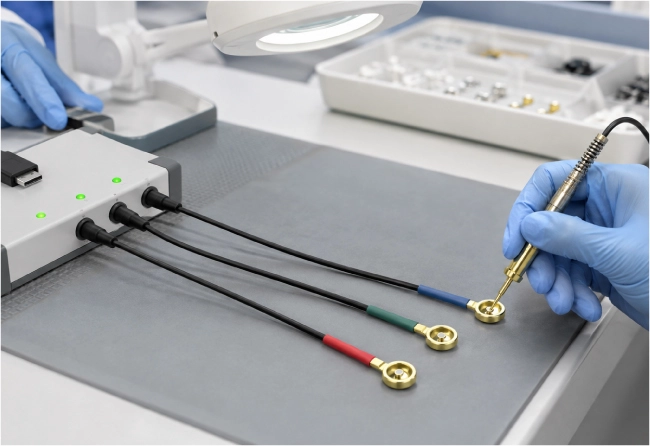
The Heymed Medical Type-C to 10.0mm Gold-Plated Cup Electrode Cable is designed for compatible EEG, ECG, EMG and PSG biosignal acquisition equipment requiring reusable electrode connections.
The cable combines a USB Type-C male interface with reusable 10.0mm gold-plated cup electrodes, using green, blue and red lead identification for the standard configuration.
Heymed Medical supports customization of the Type-C pinout, lead length, channel configuration, cable material, shielding, electrode layout, color and packaging for OEM/ODM medical and research equipment projects.
Solutions & Applications
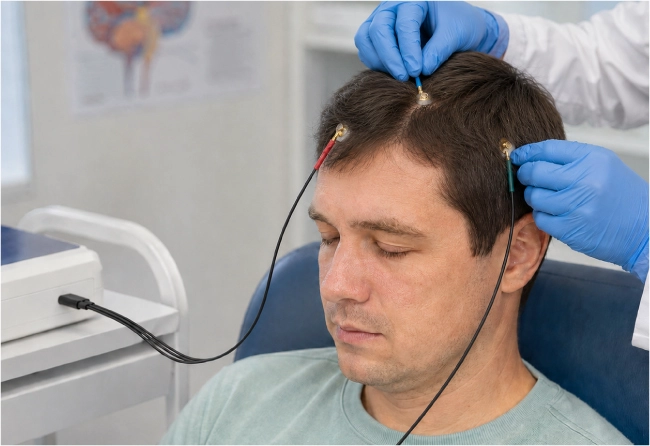
The Type-C Gold-Plated Cup Electrode Cable provides a reusable electrode connection for compatible EEG, ECG, EMG, PSG and biosignal acquisition equipment. The 10.0mm gold-plated cup electrodes are suitable for electrophysiological signal acquisition projects requiring reusable electrode interfaces.
For OEM/ODM projects, Type-C pinout, lead length, channel configuration, conductor structure, shielding, cable material, electrode arrangement and strain relief can be developed according to the target equipment. The cable can also be integrated into a broader Custom Medical Cable Assembly or EEG & EMG Electrodes & Cables project.
Heymed Medical supports device interface review, pinout confirmation, prototype development, continuity testing and volume manufacturing. The Type-C connector is used as a configurable physical interface and does not necessarily use standard USB communication; the final pinout should be confirmed according to the customer's device.
Medical-grade auricular stimulation cable specifications for healthcare and neuromodulation therapy applications.
This reusable biosignal electrode cable combines a compact Type-C device interface with 10.0mm gold-plated cup electrodes for integration into compatible EEG, ECG, EMG, PSG and electrophysiological signal acquisition systems. The multi-lead structure provides an organized connection between the acquisition hardware and individual electrode positions while allowing the cable layout to be adapted around the finished device.
The gold-plated cup electrodes use a copper-alloy base with a gold-plated contact surface, providing a durable reusable electrode structure for compatible biosignal measurement applications. Different lead lengths and color identification can also help engineers organize individual channels during equipment integration, testing and research setup.
Cup electrodes are widely used in electrophysiological and biomedical signal acquisition systems where a reusable electrode interface is required. The concave electrode shape provides a defined contact area and can be incorporated into different electrode placement methods according to the complete acquisition system.
In this cable assembly, each 10.0mm cup electrode is individually connected back to the device-side interface. Lead length, channel order and identification can therefore be designed according to the electrode positions used by the customer's EEG, ECG, EMG or PSG hardware.
Electrode performance ultimately depends on the complete acquisition system, including electrode preparation, contact method, amplifier design, grounding, shielding and environmental interference. For this reason, the cable and electrode configuration should be evaluated together with the target equipment rather than treated as an isolated component.
Although this cable uses a Type-C connector, the interface should not automatically be treated as a standard USB charging or data connection. For medical and biosignal equipment, Type-C can also be used as a compact multi-contact physical connector with a project-specific electrical definition.
The actual pin assignment must therefore be confirmed according to the customer's PCB, acquisition circuit and channel mapping. Different contacts within the Type-C connector can be assigned according to the approved equipment design, allowing the cable to support customized signal-channel configurations.
Heymed Medical can review PCB pin definitions, wiring diagrams, existing cable samples, connector drawings or equipment interface information before prototype development. This helps reduce the risk of incorrect pin mapping or connector assumptions during integration.
Type-C pinout: contact assignment and channel definition according to the target acquisition hardware.
Electrode configuration: electrode quantity, 10.0mm cup structure and individual channel arrangement.
Lead layout: individual lead length, breakout position and color identification according to electrode placement.
Cable construction: conductor structure, jacket material, shielding and strain relief based on the equipment requirements.
Electrical verification: pin-to-pin continuity and channel mapping checked against the approved wiring definition before volume production.
A biosignal electrode cable is only one part of the complete acquisition path. Device-side connector architecture, amplifier input, channel mapping, electrode location, cable routing and shielding requirements all influence the final cable design.
For new EEG and electrophysiological equipment projects, Heymed Medical can develop the cable assembly around the customer's complete device architecture rather than simply reproducing a fixed standard lead wire. Engineering evaluation can include connector matching, pinout review, lead arrangement, electrode interface selection, cable construction and sample verification.
For projects involving additional electrode types, EEG caps or multi-channel monitoring cables, our EEG & EMG Electrodes & Cables range provides additional connection structures that can be evaluated around the target system.
Heymed Medical supports custom biosignal cable projects from initial interface review through prototype sampling and volume manufacturing. Customers can provide a device drawing, PCB definition, pinout diagram, existing electrode cable or reference sample for engineering evaluation.
During development, the Type-C pin mapping, lead configuration, electrode dimensions, cable length and electrical continuity can be reviewed against the approved design. Cable materials, shielding structure, lead colors, strain relief and packaging can then be developed according to the requirements of the finished product.
This development approach is suitable for medical-device manufacturers, biosignal equipment developers, research hardware companies and OEM/ODM projects requiring a customized electrode-to-device connection rather than a fixed off-the-shelf cable.
Different EEG and biosignal systems may require different electrode positioning methods, channel counts and device-side interfaces. The following products provide additional options for related equipment development.
32-Channel Universal EEG Cap with 10-20 Electrode Positioning System →
A configurable EEG cap platform for repeatable scalp electrode positioning, EEG acquisition, neuroscience research and BCI development.
Multi-Lead EEG / ECG / EMG Monitoring Electrode Cable →
A configurable multi-lead biosignal cable combining different electrode interfaces for compatible EEG, ECG, EMG and monitoring equipment.
We provide OEM and ODM medical cable assembly services for neuromodulation therapy device manufacturers and healthcare brands worldwide.
Reusable self-adhesive electrode pads with a 3.5mm snap interface for compatible TENS, EMS and electrical stimulation equipment | OEM/ODM customization available
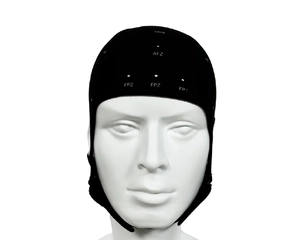
32-channel EEG electrode cap based on the International 10–20 positioning system, with configurable electrode materials, cap sizes and device interfaces for EEG acquisition projects.
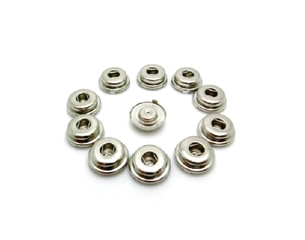
Nickel-plated brass 4.0mm female snap connector for ECG electrode lead wires, patient-monitoring accessories and custom medical cable assemblies.
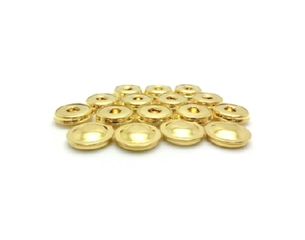
Gold-plated female snap connector for ECG electrodes, medical lead wires, and custom cable assemblies.
Resolve your concerns in advance — stress-free communication, efficient coordination
It is a reusable biosignal electrode cable assembly that connects compatible EEG, ECG, EMG or PSG acquisition equipment to 10.0mm gold-plated cup electrodes through a configurable Type-C device interface.
It can be developed for compatible EEG, ECG, EMG, PSG and other electrophysiological signal acquisition systems. Final compatibility depends on the device interface, pin assignment and electrical requirements.
The standard configuration uses reusable 10.0mm cup electrodes made from gold-plated copper alloy.
Not necessarily. The Type-C connector is used as a physical device interface, while the actual pin assignment and signal definition can be customized according to the finished equipment.
Yes. Type-C pinout, lead length, channel configuration, cable material, shielding, electrode arrangement, color and strain-relief structure can be customized according to project requirements.
Yes. Customers can provide device drawings, pin definitions, interface specifications, existing samples or reference photos for engineering evaluation and prototype development.
Yes. Heymed Medical supports interface review, pinout confirmation, prototype development, continuity testing, customization and volume manufacturing for EEG and biosignal electrode cable projects.

Heymed Medical develops and manufactures OEM/ODM medical and wellness products for patient monitoring, EEG and brain monitoring, tVNS/taVNS neuromodulation, physiotherapy and rehabilitation, diagnostic equipment, and medical docking and charging applications.
Our portfolio includes tVNS/taVNS devices, auricular and ear clip electrodes, dry and wet EEG electrodes, EEG caps, ECG/EMG lead wires and electrodes, TENS/EMS lead wires and accessories, custom medical cable assemblies, Pogo Pin connectors, and charging docks.
Work with Heymed Medical on OEM/ODM development and controlled manufacturing for tVNS and taVNS products, EEG electrodes, medical lead wires, custom cable assemblies, and medical docking and charging products—from engineering samples and validation to volume production.
Tell our engineering team about your product application, device interface, performance targets, compliance needs, and expected quantity. We will review your information and contact you to discuss technical feasibility, customization options, and recommended next steps.
Tip: A drawing, device interface photo, pinout diagram, or reference sample can help our engineering team evaluate your project more accurately and efficiently.