 Search











Multi-Lead EEG / ECG / EMG Monitoring Electrode Cable
Reusable shielded biosignal lead wire with Dupont, 4.0mm female snap and ear-clip electrode interfaces for compatible EEG, ECG, EMG and sleep monitoring equipment


Explore tVNS and taVNS devices and electrodes, EEG electrodes and caps, ECG/EMG lead wires, therapy accessories, custom medical cable assemblies, and medical charging docks.
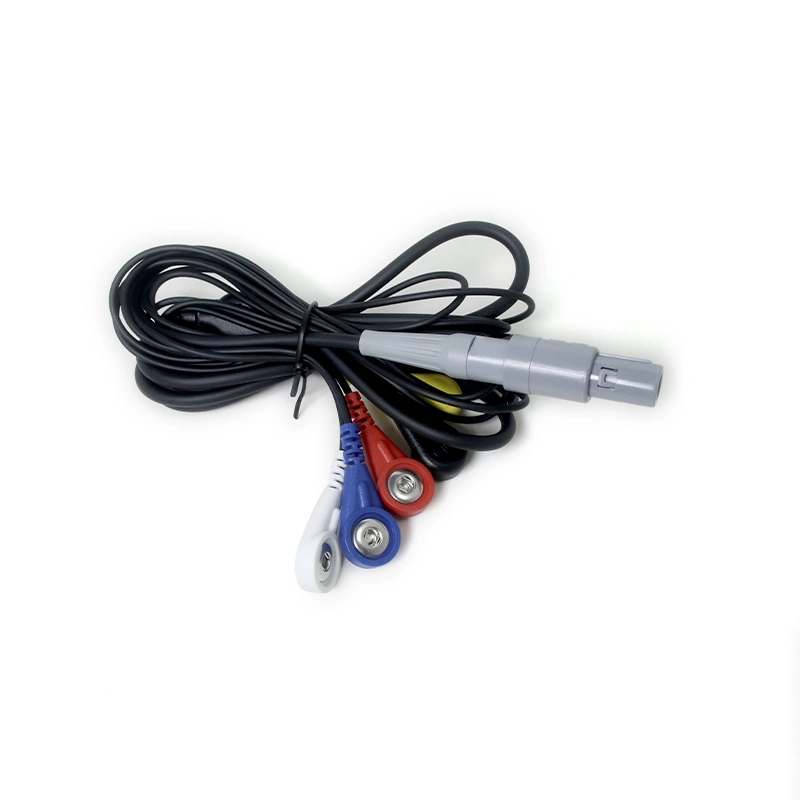
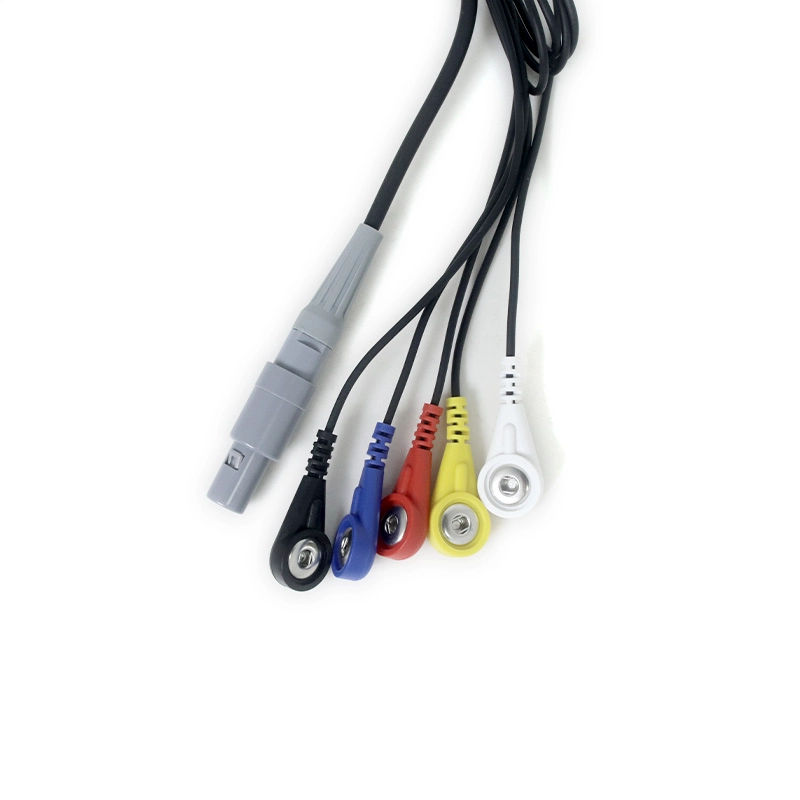
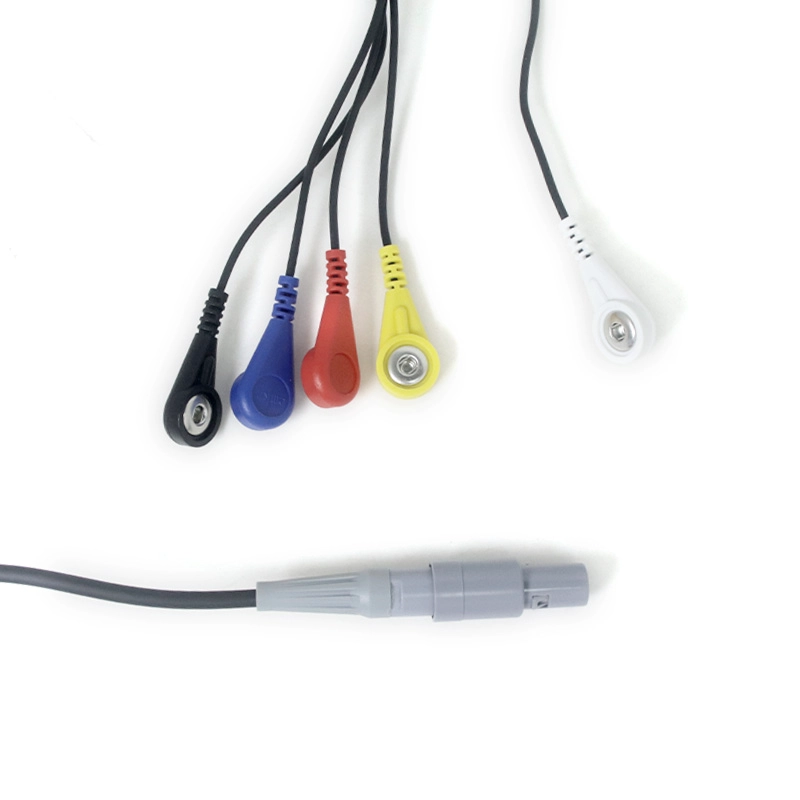
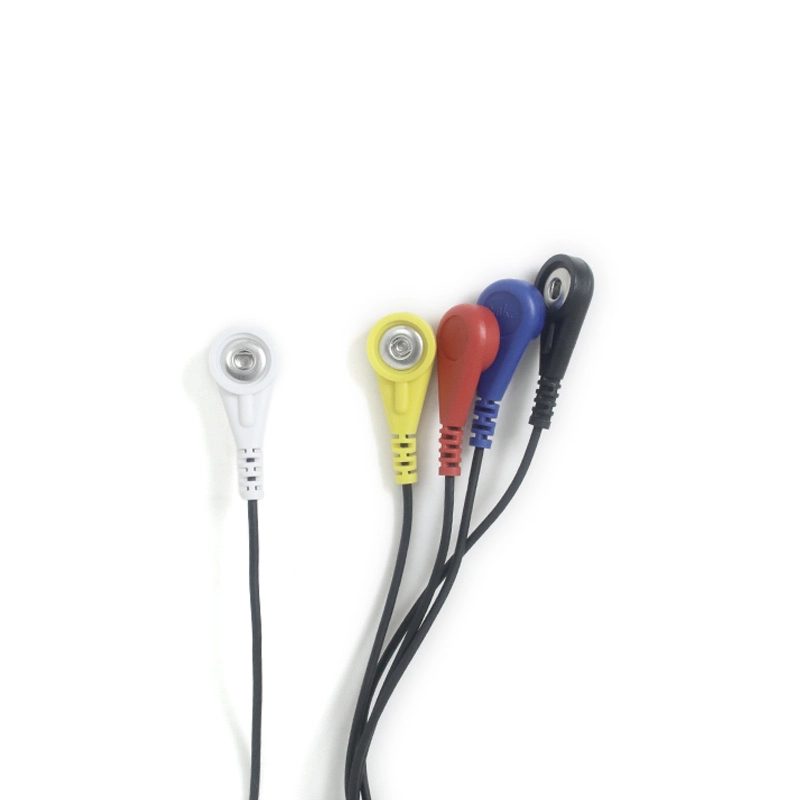
Shielded 5-lead electrode cable with a 6-pin push-pull device connector and five 3.5mm female snap interfaces for compatible TENS, EMS and physiotherapy equipment.
The Heymed Medical 6-Pin LEMO-Compatible to 5-Lead Electrode Cable is designed for compatible TENS, EMS and physiotherapy equipment requiring multiple snap-electrode connections.
The cable combines a 6-pin push-pull device connector with five 3.5mm female snap electrode leads and a shielded multi-lead cable structure.
Heymed Medical supports customization of the pin assignment, cable length, lead configuration, snap interface, shielding structure, overmold, labeling and packaging for OEM/ODM projects.
Solution & Applications
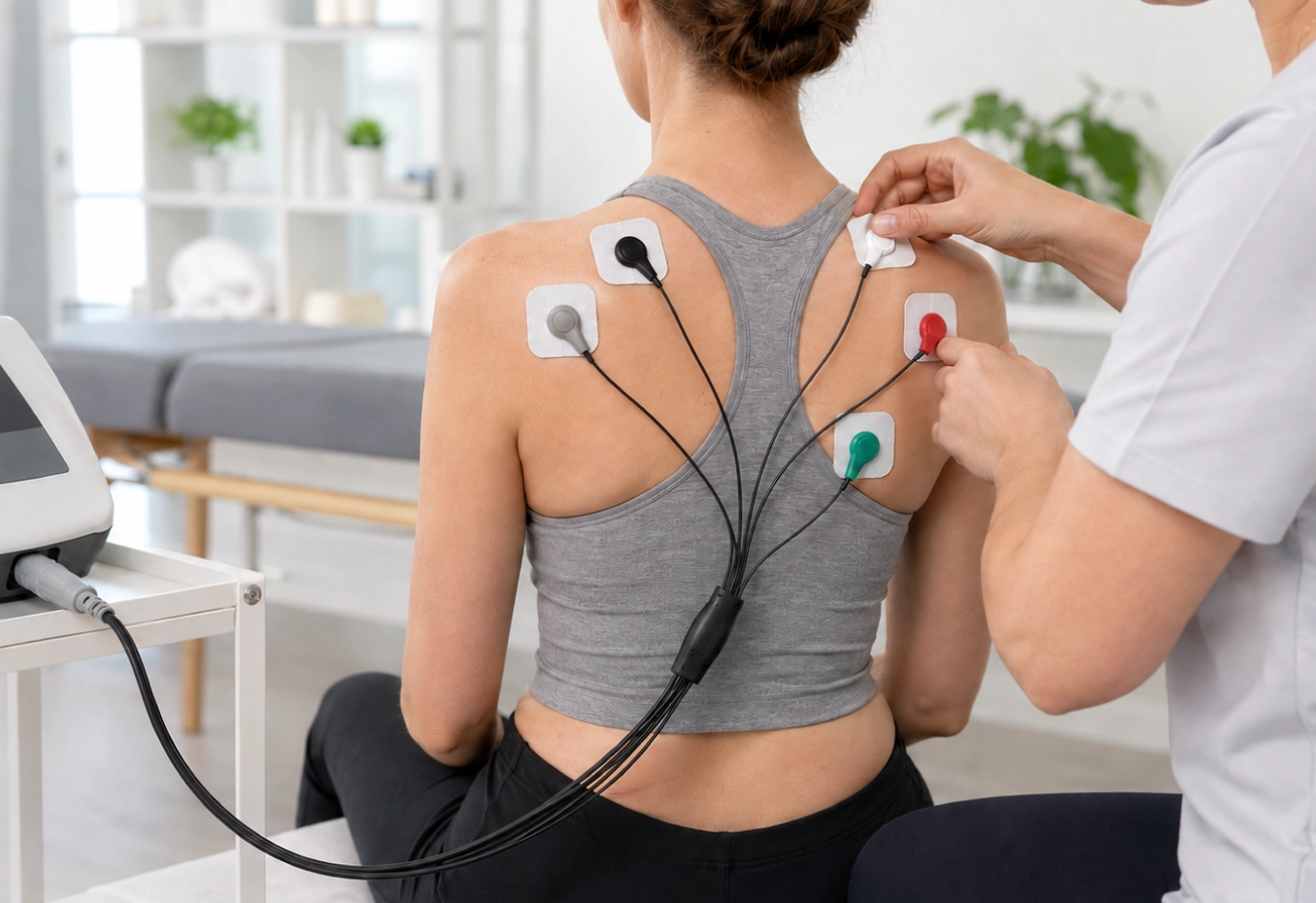
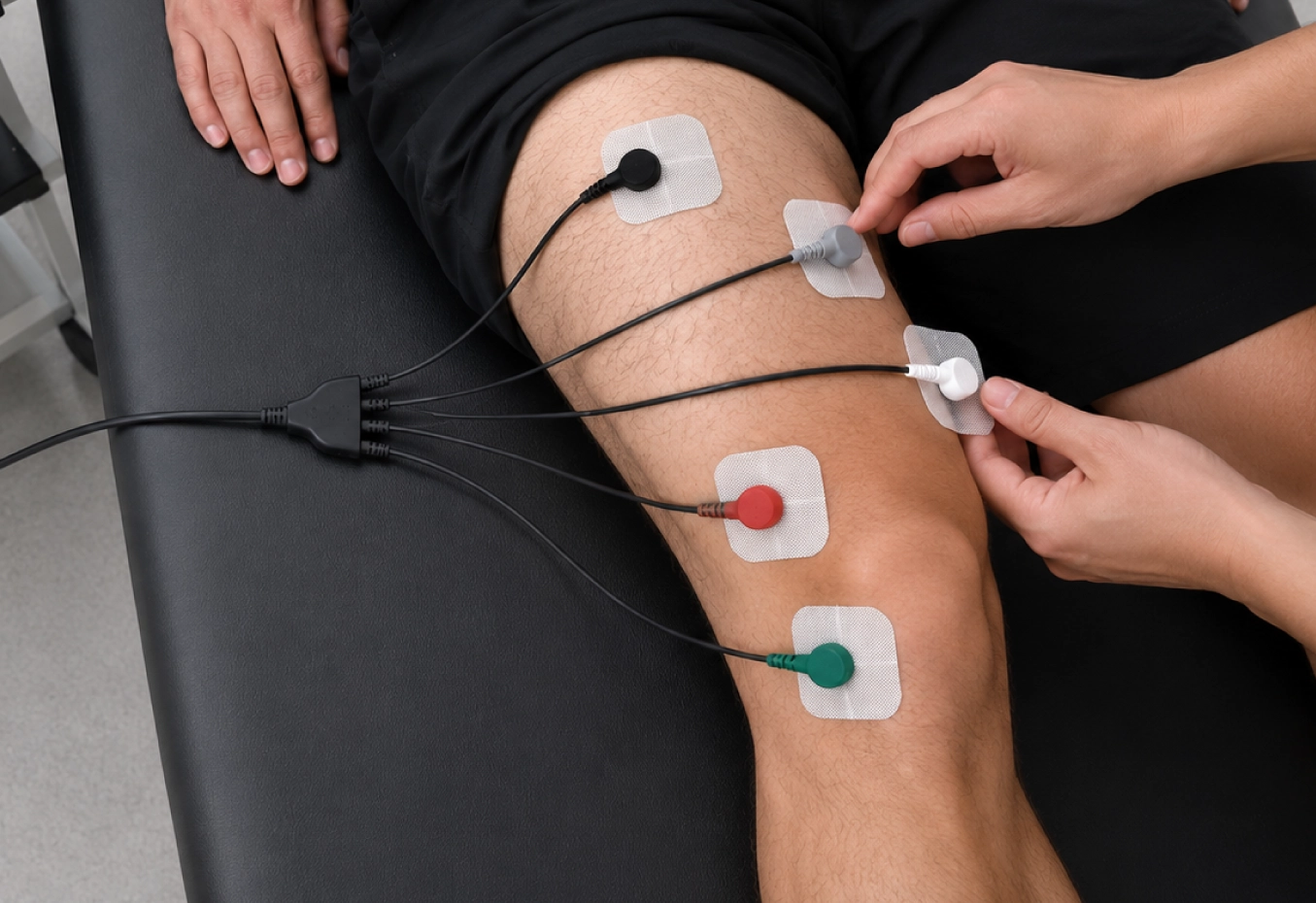
The 5-Lead Shielded Electrode Cable provides configurable connectivity between compatible TENS, EMS, physiotherapy equipment and electrode accessories. Its 6-pin push-pull interface connects the host device to five separate 3.5mm female snap leads.
For OEM/ODM projects, connector type, pin assignment, cable length, lead configuration, shielding structure and snap interface can be developed according to the finished-device requirements.
Heymed Medical supports device interface review, pinout confirmation, cable structure development, prototype sampling, continuity testing and volume manufacturing.
Medical-grade auricular stimulation cable specifications for healthcare and neuromodulation therapy applications.
This five-lead electrode cable combines a 6-pin LEMO-compatible locking push-pull connector with five individual 3.5mm female electrode snaps. It provides an organized connection between compatible rehabilitation, TENS, EMS and electrical stimulation equipment and multiple snap-type electrode interfaces.
The shielded multi-conductor cable structure is designed for projects where several electrode channels must be routed through one equipment-side connector. Connector keying, pin assignment, lead identification, shielding structure, cable length and overmolding can all be developed according to the target device rather than being limited to one fixed cable configuration.
The equipment side uses a compact 6-pin locking push-pull connector. This connector architecture provides a detachable interface while mechanically retaining the cable after mating, making it suitable for equipment where a more secure connection is required than a simple friction-fit plug.
Connector appearance alone does not determine compatibility. Connector series, shell dimensions, keyway orientation, contact quantity, mating depth and electrical pin assignment all need to match the intended equipment.
Heymed Medical can review the mating connector, equipment drawing, pinout definition or existing cable sample before prototype production. Where another equipment-side connector is required, the same five-lead architecture can also be developed as part of a custom medical cable assembly .
The device-side connection is divided into five individual electrode leads, each terminating in a 3.5mm female snap. This allows five compatible snap-style electrodes to be connected independently while keeping the equipment-side interface centralized in a single connector.
Individual overmold colors provide clear visual identification between the leads and can be adapted according to the customer's approved channel arrangement. Lead sequence, branch length, color coding and channel mapping can all be configured according to the electrical definition of the target equipment.
For systems using matching adhesive electrodes, the cable can be evaluated together with pre-gelled 3.5mm snap electrode pads . Final snap fit and electrical compatibility should be verified with the actual electrode and equipment before volume production.
When several electrical channels are routed through one cable assembly, conductor layout and shielding become important parts of the overall interconnect design. This product can be configured with braided or spiral shielding according to project requirements.
Shielding can help manage electromagnetic interference within the cable system, but final performance depends on the complete equipment architecture, including grounding method, cable length, conductor arrangement, connector termination and the surrounding electrical environment.
Stranded tinned-copper or silver-plated copper conductors can be evaluated together with PVC, TPE or silicone jacket materials depending on flexibility, repeated movement and finished-device requirements.
Device connector: connector series, shell size, keyway, contact arrangement and mating structure should match the target equipment.
Pinout and channel mapping: each equipment-side contact should be mapped according to the approved wiring definition.
Electrode interface: 3.5mm female snap geometry should be confirmed against the intended electrode stud.
Shielding structure: braided or spiral shielding can be selected according to the equipment architecture and cable requirements.
Cable configuration: standard 100cm length, 1.5m, 2.5m, 3m or project-specific lengths can be developed together with individual lead dimensions.
Materials and overmolding: conductor, jacket material, lead colors, strain relief and molded connector geometry can be configured for OEM/ODM projects.
A five-lead electrode cable should not be selected only by the number of electrode outputs. The equipment connector, pin assignment, channel definition, shielding structure, lead length and electrode interface all need to correspond to the actual device architecture.
Heymed Medical can review PCB definitions, connector drawings, equipment specifications, channel tables and reference samples before preparing an engineering prototype. This is particularly useful for replacement-cable projects and new equipment development where mechanically similar connectors may use different electrical mappings.
Where a simpler two-electrode architecture is required, a DC 2.35mm to dual 2.0mm electrode lead wire provides another example of how the device-side connector and electrode interface can be developed around different equipment requirements.
Custom cable development can begin from a device model, connector specification, wiring diagram, channel definition or existing cable sample. Our engineering team can review the mechanical and electrical interface before the prototype cable is prepared.
During sampling, connector mating, keyway orientation, pin-to-lead continuity, snap engagement, shielding structure, cable dimensions and overall workmanship can be checked against the approved product specification.
Once the configuration is confirmed, conductor materials, shielding, jacket, overmolding, lead identification, assembly and inspection requirements can be transferred into repeatable production. Additional electrode and lead-wire architectures are available within our TENS & EMS Cables & Electrode Accessories range.
We provide OEM and ODM medical cable assembly services for neuromodulation therapy device manufacturers and healthcare brands worldwide.
Reusable shielded biosignal lead wire with Dupont, 4.0mm female snap and ear-clip electrode interfaces for compatible EEG, ECG, EMG and sleep monitoring equipment
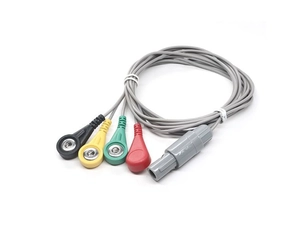
Shielded 3-lead ECG cable with a 4-pin push-pull device connector and three 4.0mm female snap interfaces for compatible ECG and patient-monitoring equipment | Custom pinout & OEM/ODM available
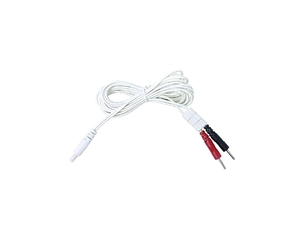
1-to-2 electrode lead wire with a DC 2.35mm device connector, dual 2.0mm electrode pins and three adjustable sliders for compatible TENS, EMS and electrical stimulation equipment.
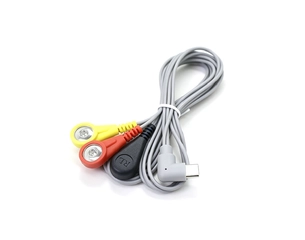
1m Grey 3-Lead Electrode Cable with Red, Yellow and Black 4.0mm Female Snap Connectors | Custom USB-C Pinout & OEM/ODM Development
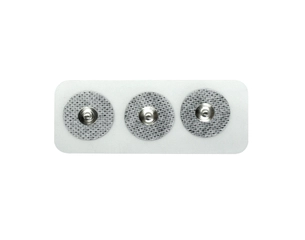
Self-adhesive non-woven electrode pads with snap connectors for compatible TENS, EMS, electrotherapy, and electronic massager systems.
Resolve your concerns in advance — stress-free communication, efficient coordination
It is a multi-lead cable assembly that connects a compatible device through a 6-pin push-pull interface and provides five separate electrode leads for connection to compatible electrode accessories.
The referenced configuration uses a 6-pin LEMO-compatible push-pull connector on the device side and five 3.5mm female snap connectors on the electrode side.
The referenced product uses a shielded multi-lead cable structure. The final shielding design should be selected according to the device signal, electrical environment and finished-system requirements.
Yes. Pin assignment, cable length, lead configuration, shielding structure, connector type and electrode-side interfaces can be developed according to the customer's device requirements.
Yes. Customers can provide device drawings, connector specifications, pin definitions, existing cable samples or interface photos for engineering evaluation and prototype development.

Heymed Medical develops and manufactures OEM/ODM medical and wellness products for patient monitoring, EEG and brain monitoring, tVNS/taVNS neuromodulation, physiotherapy and rehabilitation, diagnostic equipment, and medical docking and charging applications.
Our portfolio includes tVNS/taVNS devices, auricular and ear clip electrodes, dry and wet EEG electrodes, EEG caps, ECG/EMG lead wires and electrodes, TENS/EMS lead wires and accessories, custom medical cable assemblies, Pogo Pin connectors, and charging docks.
Work with Heymed Medical on OEM/ODM development and controlled manufacturing for tVNS and taVNS products, EEG electrodes, medical lead wires, custom cable assemblies, and medical docking and charging products—from engineering samples and validation to volume production.
Tell our engineering team about your product application, device interface, performance targets, compliance needs, and expected quantity. We will review your information and contact you to discuss technical feasibility, customization options, and recommended next steps.
Tip: A drawing, device interface photo, pinout diagram, or reference sample can help our engineering team evaluate your project more accurately and efficiently.