 Search











Non-Woven Swallowing Electrode Pads with 2.0mm Female Pin
Self-adhesive non-woven electrode pads with a 2.0mm female pin interface for compatible NMES and swallowing rehabilitation equipment | OEM/ODM customization available


Explore tVNS and taVNS devices and electrodes, EEG electrodes and caps, ECG/EMG lead wires, therapy accessories, custom medical cable assemblies, and medical charging docks.
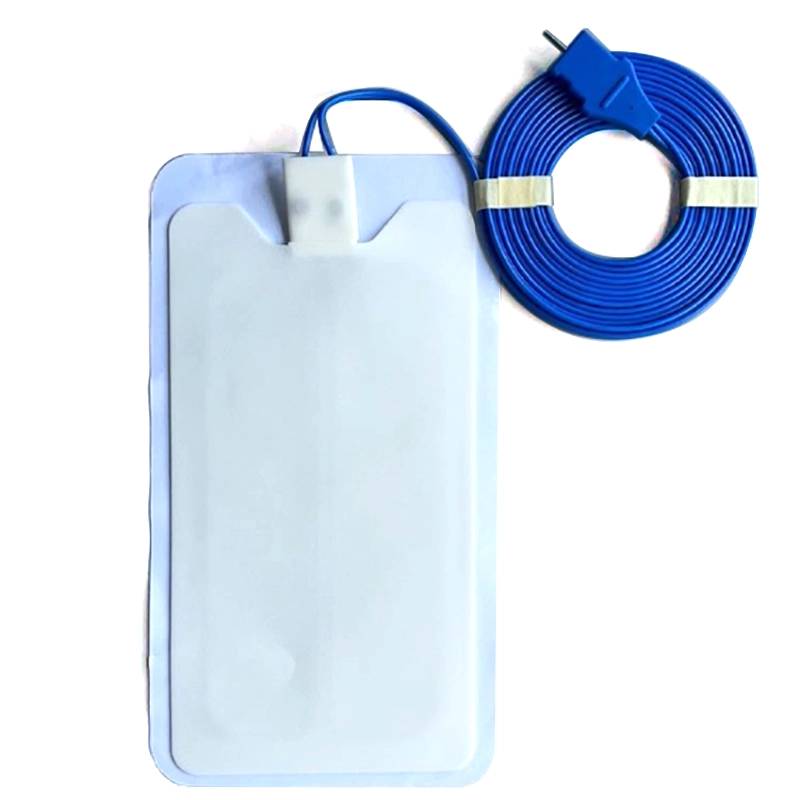
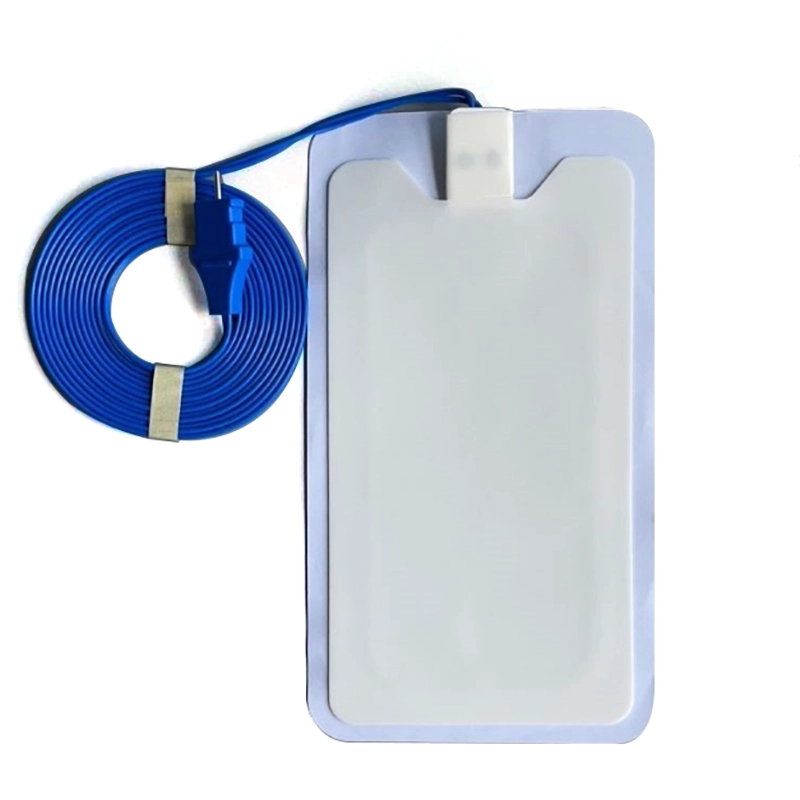
Single-use adult patient return electrode for compatible monopolar electrosurgical units | Cable, connector, pad structure and OEM/ODM options available
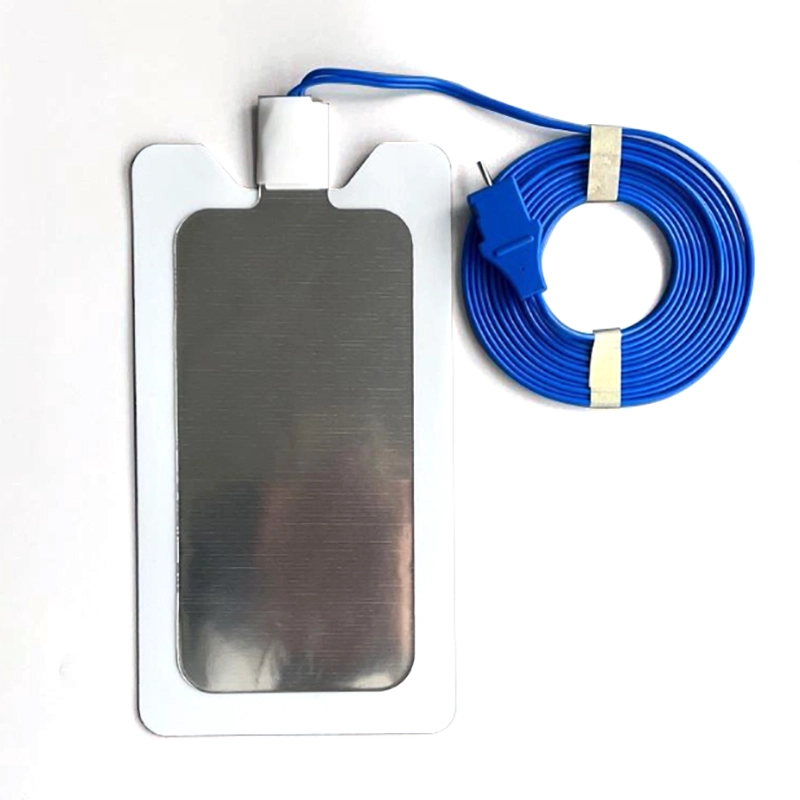
The Heymed Medical Disposable Adult ESU Patient Return Electrode Pad is designed for compatible monopolar electrosurgical systems requiring a single-use patient return electrode.
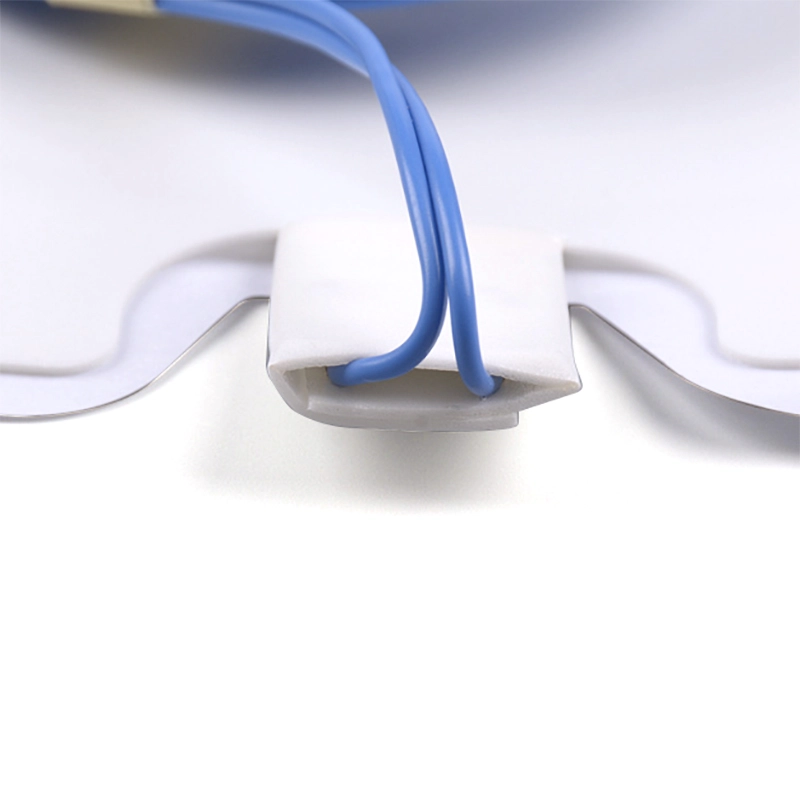
The product uses a solid adhesive pad structure with foam backing and can be supplied with a project-specific cable or connector configuration.
Heymed Medical supports customization of the pad structure, dimensions, cable length, connector interface, labeling and packaging for OEM/ODM electrosurgical accessory projects.
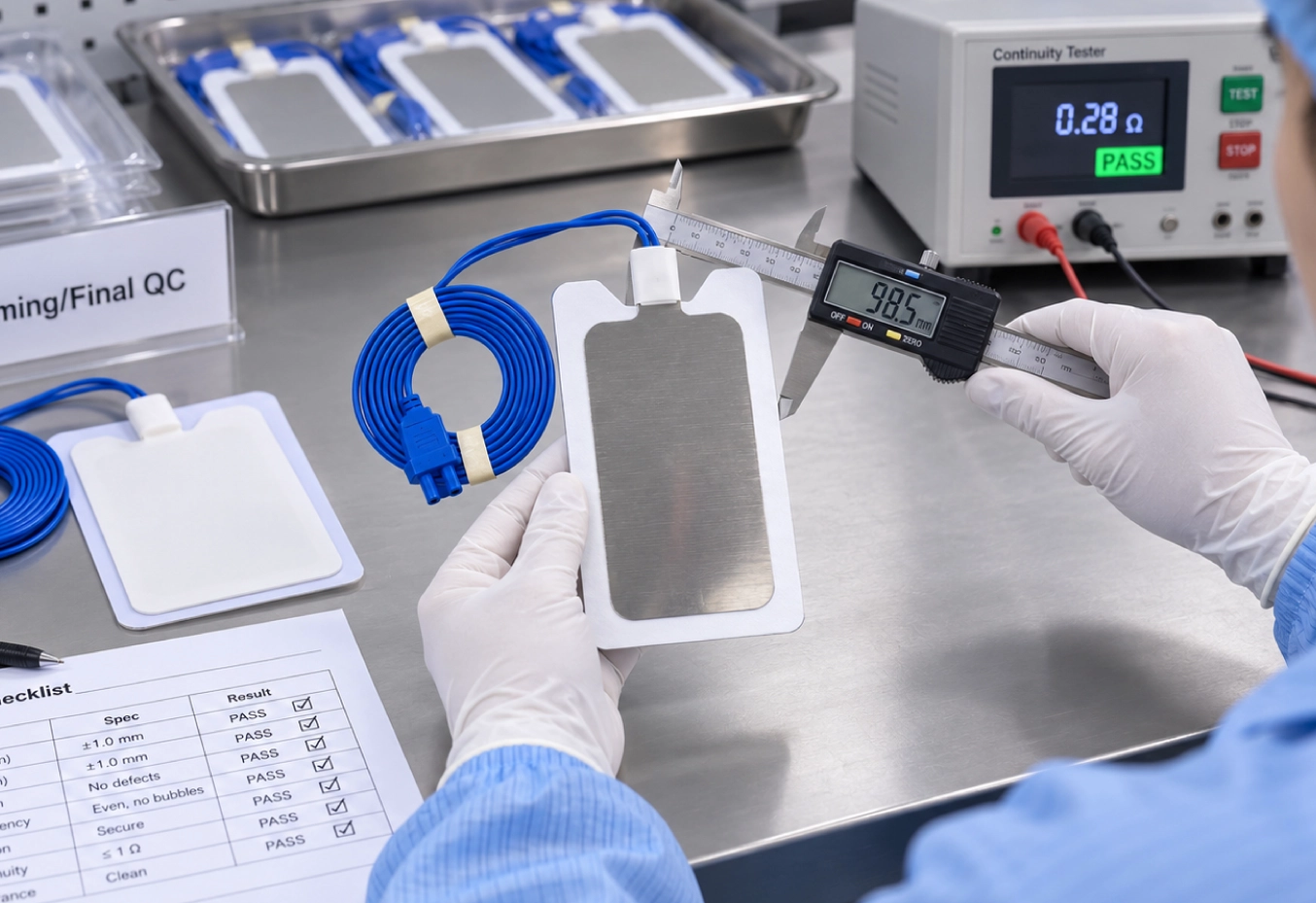
Solution & Applications
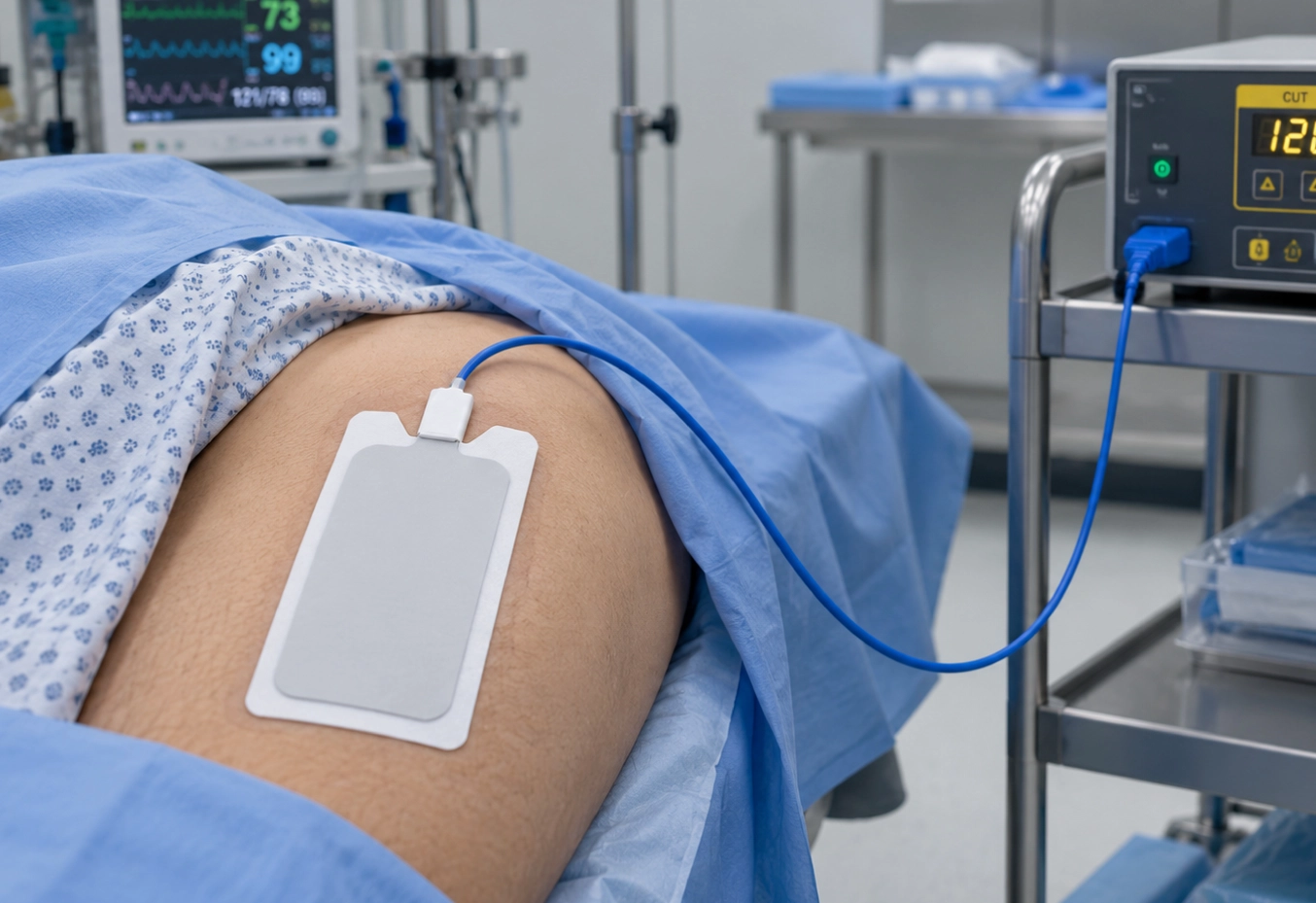
This disposable solid return electrode pad is developed for compatible monopolar electrosurgical systems requiring an adult neutral/dispersive electrode.
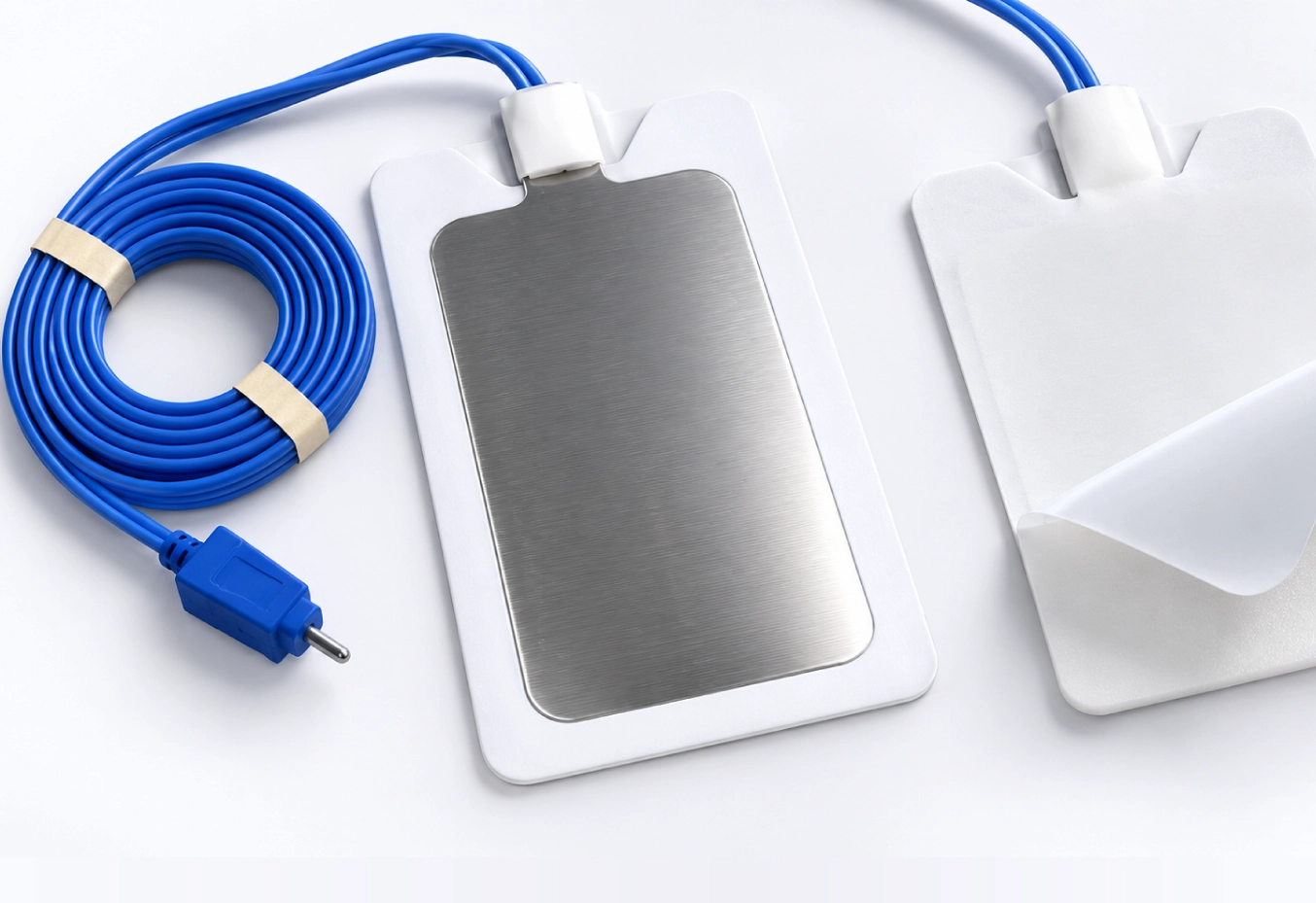
The foam-backed pad is supplied with an attached cable and electrode pin. Pad dimensions, contact structure, cable length, connector type, labeling and packaging can be configured for the target equipment.
Heymed Medical supports OEM/ODM development from specification review and sample verification through production. The completed electrode must be evaluated with the intended generator, operating parameters, skin-contact requirements and applicable regulatory standards.
Medical-grade auricular stimulation cable specifications for healthcare and neuromodulation therapy applications.
This disposable adult patient return electrode is designed for compatible monopolar electrosurgical systems requiring a single-use neutral or dispersive return electrode. The assembly combines a solid non-split electrode pad, flexible foam backing, integrated lead wire and equipment-side electrode pin in one ready-to-integrate accessory.
Rather than treating the return electrode as an isolated pad, the complete assembly should be matched to the intended electrosurgical generator, cable connection and equipment specification. Pad dimensions, cable length, connector configuration, labeling, pouch and outer packaging can be developed according to the customer's OEM/ODM product requirements.
The electrode uses a solid, non-split construction rather than a divided contact design. This provides a continuous electrode area within the defined pad geometry and is intended for compatible monopolar electrosurgical equipment designed for this type of patient return electrode.
Solid and split return electrodes should not be assumed to be interchangeable. The required electrode configuration depends on the generator architecture, monitoring functions, connector arrangement and approved accessory specification of the target system.
For replacement or OEM projects, the original electrode specification, generator documentation, mating connector or approved sample should be reviewed before the final pad construction is confirmed.
A disposable patient return electrode consists of several functional layers and connection elements. The skin-contact and conductive structure, adhesive system, backing material, cable attachment and equipment connector all contribute to the performance of the completed accessory.
The foam backing provides a flexible supporting structure for the disposable pad, while the integrated cable eliminates the need for a separate detachable lead at the electrode side. Cable routing and strain-relief geometry can be reviewed together with the electrode construction to support repeatable manufacturing.
Skin-contact materials, adhesive properties, conductive-layer configuration, shelf life and storage conditions should be defined by the approved product specification and applicable regulatory requirements for the intended market.
Electrode configuration: solid / non-split construction and required conductive-contact geometry according to the target ESU system.
Pad dimensions: length, width, conductive area and overall outline confirmed from the approved drawing or equipment requirements.
Skin-contact structure: adhesive and conductive layers selected according to the intended product specification and regulatory requirements.
Cable assembly: cable length, conductor configuration, insulation and electrode-to-cable connection developed as part of the completed pad.
Equipment connector: electrode pin or alternative device-side termination matched to the intended electrosurgical generator interface.
Packaging: pouch structure, labeling, lot identification, instructions and outer packaging can be developed according to OEM/ODM requirements.
Matching the device-side electrode pin is only one part of compatibility. The electrosurgical generator must also be designed for the corresponding return-electrode configuration and electrical characteristics.
Two systems may use connectors that appear mechanically similar while specifying different return-electrode structures, cable configurations or monitoring requirements. Compatibility should therefore be established from the target equipment specification rather than from connector appearance alone.
Heymed Medical can review generator interface information, original accessory specifications, dimensional drawings, cable requirements or physical samples before preparing an engineering sample.
This electrode is intended as a single-use product. Material selection, manufacturing process, packaging, storage conditions and shelf-life requirements should therefore be defined as part of the complete disposable-product specification.
For private-label projects, pad dimensions, cable configuration, printed labeling, pouch artwork and outer packaging can be developed around the customer's finished-product requirements. Where sterility is required, the sterilization method, packaging system and validation responsibility should be clearly defined before production approval.
Product labeling and claims should also correspond to the intended market, product classification and applicable regulatory pathway rather than being transferred directly from another manufacturer's accessory.
Custom patient return electrode projects can begin from an existing pad sample, dimensional drawing, target generator interface, connector sample or complete product specification. Heymed Medical can review these inputs before developing the pad and cable configuration for prototype evaluation.
During development, electrode dimensions, cable attachment, connector fit, electrical continuity, material construction and packaging can be checked against the approved project requirements.
The completed disposable return electrode should ultimately be validated with the intended electrosurgical equipment, operating conditions, patient-contact requirements and applicable regulatory standards before commercial use.
Electrosurgical equipment may require disposable or reusable patient return electrodes with different materials, cable terminations and equipment-side interfaces.
Reusable Silicone ESU Patient Return Electrode with Push-Pull Connector →
A reusable flexible silicone electrode assembly with customizable plate dimensions, cable length, connector keying and pinout for compatible electrosurgical and RF equipment.
Reusable Stainless Steel ESU Patient Return Electrode Plate →
A reusable alternative using a stainless-steel conductive surface, TPU insulated perimeter and customizable device-side cable termination.
We provide OEM and ODM medical cable assembly services for neuromodulation therapy device manufacturers and healthcare brands worldwide.
Self-adhesive non-woven electrode pads with a 2.0mm female pin interface for compatible NMES and swallowing rehabilitation equipment | OEM/ODM customization available
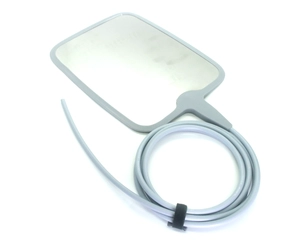
Reusable neutral electrode plate with a stainless steel contact surface, TPU insulated frame and customizable device-side cable termination for compatible electrosurgical units.
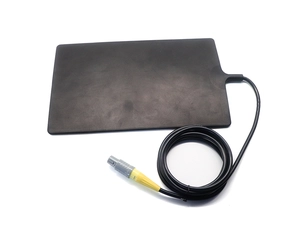
Reusable patient return electrode assembly for compatible electrosurgical and RF equipment, with customizable plate size, cable length, connector keying and pinout.
Resolve your concerns in advance — stress-free communication, efficient coordination
A disposable ESU patient return electrode is a single-use dispersive electrode designed to provide the return-current connection required by a compatible monopolar electrosurgical system.
Yes. This product is intended for compatible monopolar electrosurgical systems. Final compatibility should be confirmed according to the electrosurgical generator, connector interface and finished-device requirements.
No. This product is designed for single use and should not be reused.
The referenced configuration uses a white foam-tape backing with an adhesive patient return electrode structure. Material construction can be adjusted according to the approved project specification.
Yes. Cable length, pin interface, connector configuration, pad structure, labeling and packaging can be developed according to the customer's electrosurgical equipment requirements.
Yes. Customers can provide the ESU model, connector specification, existing return electrode sample, cable requirements, drawings or packaging requirements for engineering evaluation and sample development.

Heymed Medical develops and manufactures OEM/ODM medical and wellness products for patient monitoring, EEG and brain monitoring, tVNS/taVNS neuromodulation, physiotherapy and rehabilitation, diagnostic equipment, and medical docking and charging applications.
Our portfolio includes tVNS/taVNS devices, auricular and ear clip electrodes, dry and wet EEG electrodes, EEG caps, ECG/EMG lead wires and electrodes, TENS/EMS lead wires and accessories, custom medical cable assemblies, Pogo Pin connectors, and charging docks.
Work with Heymed Medical on OEM/ODM development and controlled manufacturing for tVNS and taVNS products, EEG electrodes, medical lead wires, custom cable assemblies, and medical docking and charging products—from engineering samples and validation to volume production.
Tell our engineering team about your product application, device interface, performance targets, compliance needs, and expected quantity. We will review your information and contact you to discuss technical feasibility, customization options, and recommended next steps.
Tip: A drawing, device interface photo, pinout diagram, or reference sample can help our engineering team evaluate your project more accurately and efficiently.